Hokkaidō
Japan
Japan
Overview and significance
Hokkaidō is Japan’s powder engine and one of the world’s most reliable regions for sustained, skiable storms. Cold, dry air spilling off Siberia drinks moisture over the Sea of Japan and unloads across the island’s mountains, feeding deep tree lines, wind-sculpted pillows, and lift-accessed sidecountry that rewired how many skiers think about “powder laps.” The headline names—Niseko United, Rusutsu, Kiroro, Furano, and Tomamu—sit within day-trip distance of New Chitose Airport, while inland outposts such as Asahidake offer ropeway access to a wilder, backcountry-leaning experience. Add Sapporo’s 1972 Winter Olympic legacy, still visible at Sapporo Teine, and you get a destination with both global influence and practical, high-volume skiing. For internal context, see our regional page at skipowd.tv/location/hokkaid/ and the country overview at skipowd.tv/location/japan/.
Terrain, snow, and seasons
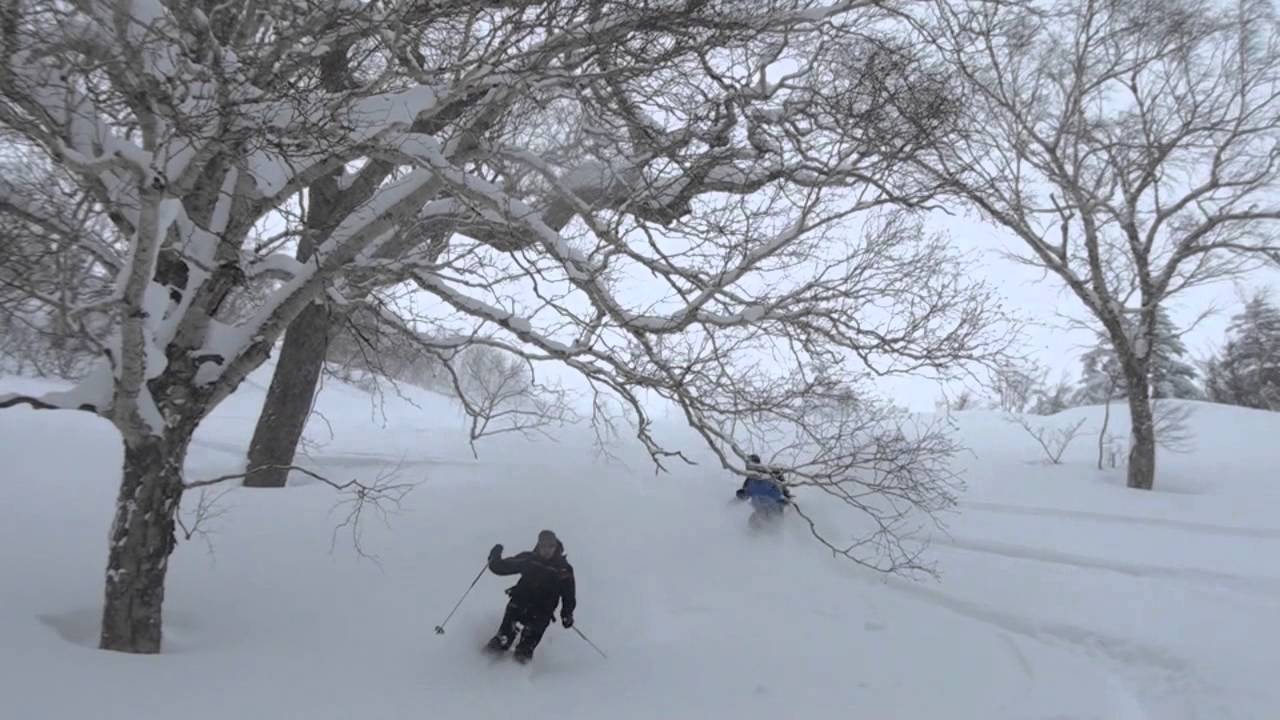
Hokkaidō skis in two broad bands. Along the western and southern corridors (Niseko–Rusutsu–Kiroro), maritime storms arrive frequently, filling birch forests and smoothing landings into supportive, forgiving snow. Farther inland, the “Powder Belt” around Furano and Tomamu is colder and drier; the snow often stays lighter for longer between resets, especially on shaded aspects. Asahidake in Daisetsuzan National Park is a different flavor: a ropeway to an alpine shoulder with short traverses and skins to load up laps on volcanic flanks when visibility and stability align (Asahidake Ropeway). Sapporo’s local hills add a city-adjacent option; Teine blends Olympic-steep heritage with long, rolling pistes and views across Ishikari Bay.
The pattern is consistent: January and early February deliver the highest odds of daily refills, with dense-but-dry powder that keeps lips fat and landings kind. Between systems, you’ll find wind-buffed chalk on ridges and preserved soft snow in north- and east-facing trees. March brings more blue windows and a mix of winter up high with springlike corn on solar slopes, ideal for filming, touring days, and bigger traverses. Most resorts run from early December into late March or April depending on elevation and aspect; Niseko’s sector pages publish seasonal dates each autumn and adjust as coverage evolves.
Park infrastructure and events
While Hokkaidō is famous for powder, the park scene is active and thoughtfully built. In Niseko, the HANAZONO Terrain Parks lay out multiple zones from mini to advanced, including a gondola-side line that operates into the evening during night-ski hours, plus a main park accessed via the high-speed Hana 1 chair. Rusutsu’s Freedom Park strings jump lines and creative rail features into a flow that suits repetition. Tomamu runs one of the island’s larger slopestyle setups with separate beginner, intermediate, and expert lanes and scheduled rebuilds as the season changes (Tomamu Slopestyle Park). Around Sapporo, compact venues such as Bankei keep a local night scene, while Teine’s piste network and snowmaking create dependable surfaces for cross-training.
Historic credibility is a bonus. Furano’s steep cruisers have hosted FIS World Cup racing, and Teine’s upper slopes remain a tangible link to Sapporo 1972. But the daily “event” across Hokkaidō is storm management and rope-drops; shapers and patrol teams adjust features and openings to protect speed and safety through volatile weather, which is why the parks feel so consistent when conditions line up.
Access, logistics, and on-mountain flow
Flying into New Chitose (CTS) puts you within two to three hours of the major hubs by bus or car. The seasonal Hokkaido Resort Liner runs set routes from the airport and Sapporo to Niseko, Rusutsu, and Tomamu, with timetables published each fall and winter (Hokkaido Resort Liner; sample CTS⇄Niseko/Rusutsu schedule here). Niseko’s operators also link city and airport to the resort via direct buses; check the resort’s access page for current options (Niseko shuttle). If you plan to drive, winter roads are well maintained but can be slick with blown-in snow; leave buffer time around storm cycles and carry winter-rated tires.
Daily flow rewards rhythm and weather reading. On storm mornings, prioritize treeline: Rusutsu’s gladed pods and Niseko’s lower terrain keep visibility workable. As the ceiling lifts, step to higher gates in Niseko or seek short alpine pops at Kiroro. On clear, cold days, chase wind-buffed chalk along ridges and load up laps where drifted panels reset quickly. Build park sessions around light and temperature; HANAZONO’s gondola-side park makes night laps efficient when daytime is stormy. If you want to mix city and slopes, base in Sapporo and pivot between Teine’s long fall lines and quick missions to Kiroro or Rusutsu as forecasts dictate.
Local culture, safety, and etiquette
Hokkaidō’s mountains are orderly on-piste and serious beyond the ropes. In the Niseko area, a formal gate system governs access to sidecountry and backcountry terrain; you must use open gates, never duck ropes, and expect closures to change with wind and snowpack. The rules are published and enforced across the four interlinked ski areas (Niseko Rules), and the daily avalanche and gate status is summarized by local partners in English. For broader bulletins, regional feeds publish international-format advisories for the Shiribeshi/Niseko zone and beyond; use them to inform decisions rather than to replace them (avalanche information portal and Hokkaido backcountry bulletin hub).
Etiquette is straightforward. Queue neatly, give learners space on shared cat-tracks, call your drop in the park, hold a predictable line, and clear landings and knuckles immediately. If you leave groomed corridors, travel with beacon, shovel, and probe, know partner rescue, and hire certified local guides if you’re new to the terrain or language. Tree wells are a real hazard in deep-snow forests; ski with a visible partner and avoid solo laps during refills. Off the hill, the rhythm is distinctively Japanese: onsen after storm days, late bowls of ramen in resort villages, and early nights so you’re ready when patrol swings gates open.
Best time to go and how to plan
If your target is maximum powder consistency, aim for early January through mid-February. You’ll trade fewer bluebirds for more resets and forgiving landings. For balance—sun, filming windows, and full park builds—late February into March is ideal, especially inland where cold persists up high. Night-skiing expands usable hours throughout winter in Niseko and at several Sapporo-area hills, so you can stack rail mileage after dark when winds ease and grooming resets speed. Build itineraries by corridor to minimize transit: a Niseko–Rusutsu–Kiroro triangle keeps you in one weather regime; a Powder Belt loop based in Furano or Tomamu offers colder snow and straightforward bus links (Hokkaidō Powder Belt). Each morning, start with resort ops pages for lifts, rope-drops, and park status, then plan by aspect and elevation as conditions evolve.
Why freeskiers care
Because Hokkaidō turns weather into repeatable progression. You can ski deep, soft snow day after day, practice timing and landings without high-consequence exposure, and still tap credible park lines when the sky closes in. The access is simple, the safety framework is explicit, and the culture rewards craft over chaos. Whether your mission is to learn to move fluently in trees, build a trick list under lights, or step into guided sidecountry after a week of dialing speed, Hokkaidō remains a benchmark for how good modern resort-based skiing can be—and how quickly you can improve when conditions are on your side.