Sweden
Sweden
Sweden
Overview and significance
Sweden is a country-scale ski destination with a distinctive two-track appeal: reliable, well-lit parks and quick-lap resorts in the south-central mountains, and late-season freeride in Lapland under very long spring days. The national headline for big-resort variety and event pedigree is Åre, which has repeatedly hosted World Cup racing and the World Championships. Freestyle focus gravitates to purpose-built venues such as Kläppen Snowpark in Sälenfjällen and the park network across SkiStar’s Swedish resorts. Far to the north, Riksgränsen delivers a spring crescendo culminating with the Scandinavian Big Mountain Championships, a freeride tradition that closes out Europe’s season. For urban-access laps, Stockholm’s compact hills (including Hammarbybacken) keep night sessions productive from the capital. Inside our ecosystem, you can preview footage and ground truth on Sweden-adjacent pages like skipowd.tv/location/klappen-snowpark/, skipowd.tv/location/riksgransen/ and skipowd.tv/location/stockholm/.
For freeskiers, Sweden’s value is repetition with low friction. Night trains to the mountains, tightly shaped park lines, and short lift cycles make it easy to build and maintain a trick list all winter. When spring arrives, itineraries stretch north for consequential natural features and surreal evening light.
Terrain, snow, and seasons
Expect maritime-continental winters and thoughtful layouts rather than continental-scale vertical. In Jämtland and Dalarna (Åre, Sälen, Kläppen, Idre Fjäll), frequent cold snaps, snowmaking and grooming produce predictable surfaces—ideal for slopestyle training and rail mileage. Åre spreads across distinct sectors with steeper fall lines in the central zone and more sheltered trees in Björnen and Duved, allowing you to follow weather and wind. Kläppen concentrates its footprint on freestyle: three snowparks plus a national-team-ready arena when conditions permit, giving multiple jump and jib options without crossing half the mountain.
In Lapland, latitude preserves quality into May. Riksgränsen’s modest vertical hides big natural features—wind lips, cornice drops and long faces that stabilize in late spring. That timing dovetails with the venue’s freeride traditions and allows for “long-day” sessions as the sun barely dips. Nationwide, midwinter (January–early March) is best for cold snow and consistent park speed; the March–April shoulder provides long windows, forgiving landings by aspect, and classic corn cycles in the north.
Park infrastructure and events
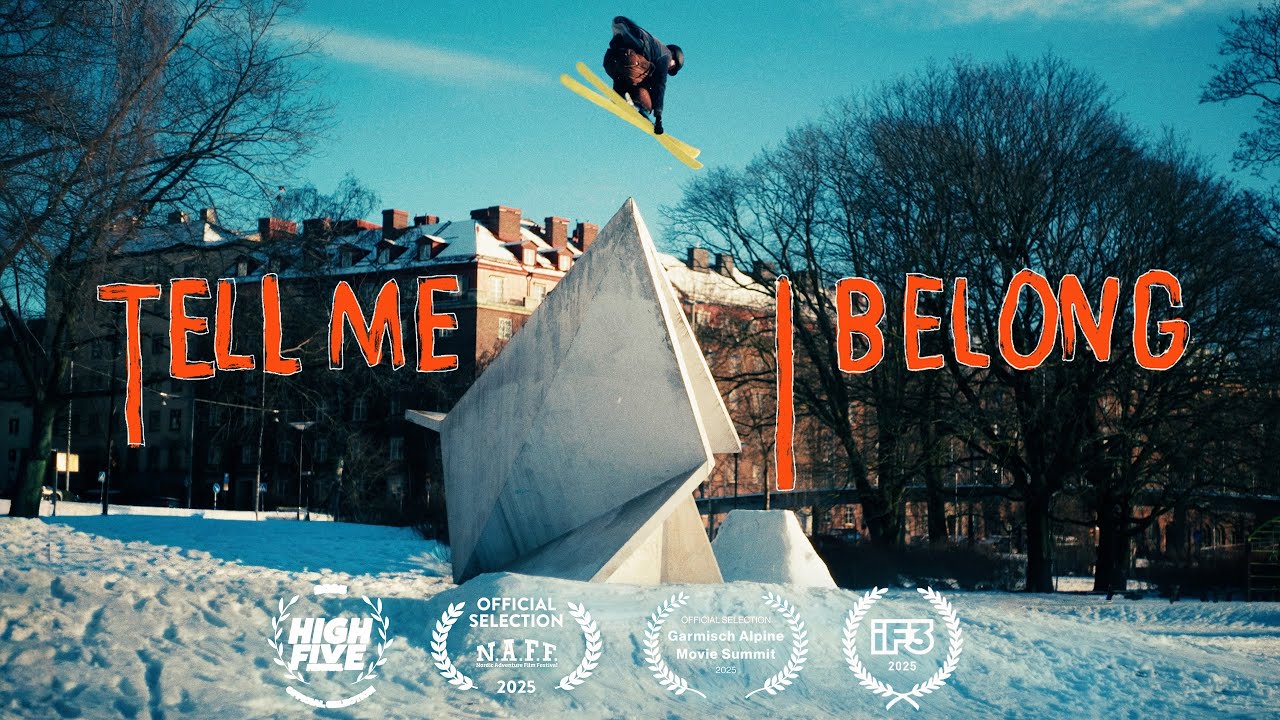
Sweden’s parks are organized for progression. Kläppen Snowpark is a reference build with clearly tiered lines (from junior and blue to red/black) and space to run parallel setups on busy days; it regularly hosts national team camps and championships. In Åre, the Bräcke sector concentrates SkiStar’s main park with blue, red and black lines and “The Garden,” a lit lower zone for evening laps; the wider Åre park program is documented on SkiStar’s park pages, and recent seasons have leaned into creative design with input from homegrown athletes. Sälen’s parks cluster in Tandådalen, with starter features in Lindvallen for new park riders. Idre Fjäll contributes a four-line park beside its piste network, useful for structured trick ladders and filming tight sequences.
On the freeride stage, the Scandinavian Big Mountain Championships bring a who’s-who of Nordic athletes to Riksgränsen each May for a season finale on Nordalsfjäll’s faces. Åre’s race legacy runs deep—recent editions of women’s World Cup tech races and the 2019 World Championships underline the resort’s ability to build, maintain and broadcast at the highest level—useful signals for park quality and daily operations even if you’re not chasing gates.
Access, logistics, and on-mountain flow
Public transport works. The SJ night train and other daytime services roll directly to Åre/Undersåker and farther north toward Abisko and Riksgränsen, so you can sleep en route and click in near lift opening. In the Sälen–Trysil region, the modern Scandinavian Mountains Airport (SCR) places you close to multiple resorts with seasonal routes; confirm the current schedule before booking. If you’re aiming at Riksgränsen from the Norwegian side, the Arctic/Ofoten line links Narvik to the border and on into Sweden, making a rail-based park-to-freeride itinerary feasible.
Flow tips match the venues. In Åre, start with Bräcke park laps to calibrate speed, then pivot by sector: steeper Åre By in good visibility, Björnen for shelter when winds rise, and Duved/Tegefjäll when you want mellow trees and creative side hits. At Kläppen, plan around reshape windows for the truest jump speed; switch to rail mileage as temperatures soften. In the north, treat Riksgränsen like lift-accessed backcountry inside resort ropes: time short hikes from lift tops to catch wind-buffed panels and north-facing shots when the light turns favorable.
Local culture, safety, and etiquette
Sweden centralizes avalanche information at Lavinprognoser, the national service run with the Swedish Environmental Protection Agency. If you leave groomed corridors or venture near in-bounds steeps, carry beacon, shovel and probe, read the daily bulletin, and keep partners in sight. The Mountain Safety Council of Sweden maintains practical guidance on preparation and decision-making. In Lapland, respect reindeer herding areas and seasonal closures.
Park etiquette is standard but strictly observed: inspect features, call your drop, hold a predictable line, and clear landings and knuckles immediately. Night sessions under floodlights are common—use clear/low-light lenses and extra spacing. For Stockholm hill laps, manage speed at merges and be mindful of lessons and club training lanes; small spaces run on courtesy.
Best time to go and how to plan
Target January to early March for the most repeatable park surfaces in Åre, Sälen and Kläppen, when cold temps lock in lips and approach speed. March–April brings longer days for filming and learning at lower speeds, with aspect-driven softening that keeps landings forgiving. For freeride, circle late April through early May at Riksgränsen for long daylight and a stable mix of corn and fresh—ideally aligned with the SBMC week. Build rail-based days around reshape schedules, keep a rails-first backup if winds affect jump speed, and check daily operations pages for lift holds and park rebuilds.
Logistics are straightforward: book sleepers on the night train to step out at Åre station, or fly to SCR for Sälen-area resorts; if you’re snow-hungry in the city, Stockholm’s Hammarbybacken even runs an artificial-grass SummerSki surface for off-season timing practice. For broader trip research, Visit Sweden’s overview of downhill skiing is a solid planning primer.
Why freeskiers care
Because Sweden turns consistency into progress. You get lit, well-shaped parks that reward repetition; fast logistics by train and plane; and a northern finale where real freeride lines and long spring days let you apply park-bred control to natural terrain. Mix the creative park culture of Åre, Sälen and Kläppen with the spring theater of Riksgränsen, and you have a season arc that builds skills early and pays them off when the snowpack peaks.