Switzerland
Alps
Switzerland
Overview and significance
Switzerland is a country-wide freeski playground where high-alpine scale, meticulous lift systems, and a deep park culture meet reliable long seasons. The headline names are familiar—Zermatt–Matterhorn, Verbier 4 Vallées, LAAX/Flims, St. Moritz–Corvatsch, Davos–Klosters, Engelberg–Titlis—and the common thread is how well they convert time on snow into progression. Glacier height keeps winter conditions in play for months; trains deliver you to base stations; and park crews from LAAX to Zermatt shape features to a standard that attracts national teams, the European contest circuit, and film crews. For competition pedigree, Switzerland hosts the LAAX Open in park & pipe disciplines, the Xtreme Verbier stop that crowns the Freeride World Tour champions on the Bec des Rosses, and recurring Europa/World Cup events across the Alps. Add car-free resort villages and you get a destination that makes a week (or a season) feel efficient from first chair to last lap.
Geography divides the action into three broad corridors. Valais holds Zermatt’s year-round glacier, Saas-Fee’s high camps, and Verbier’s bowls and couloirs. Graubünden brings LAAX’s slopestyle engine, Corvatsch’s competition-grade park above St. Moritz, and long fall-lines in Davos–Klosters. The Bernese Oberland and Central Alps add classic alpine faces around Grindelwald–Wengen and steep storm skiing at Engelberg–Titlis. Across them all, signage and grooming are precise, lift links are modern, and avalanche information is centralized—so you spend more time skiing and less time guessing.
Terrain, snow, and seasons
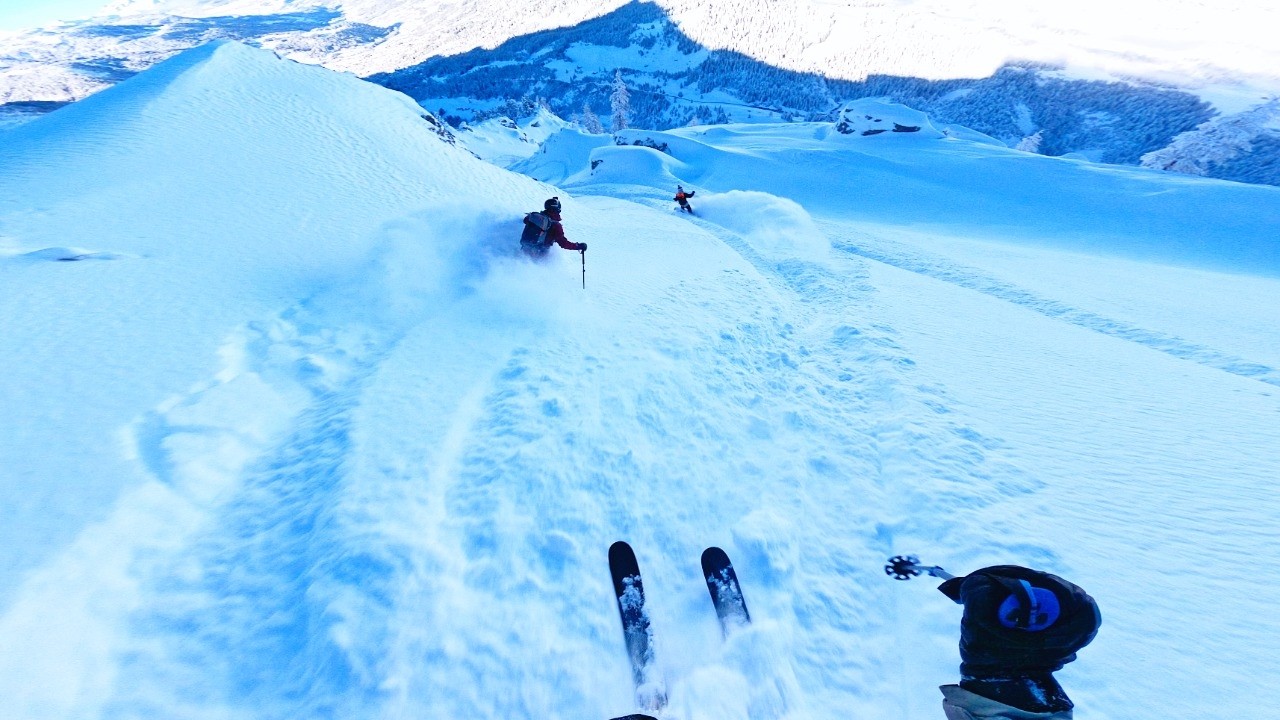
Switzerland skis “big.” Above treeline, you’ll find glaciers, ribs and gullies that read cleanly after storms; below, long pistes and gladed benches that keep definition when clouds hang. Zermatt’s Theodul Glacier and high lifts (Matterhorn Glacier Paradise to 3,883 m) anchor one of Europe’s most reliable late-spring and summer venues, with a dedicated winter park near Furggsattel and summer laps on Plateau Rosa (Matterhorn Ski Paradise). Verbier’s 4 Vallées stitch together big-mountain faces, rolling pistes, and sidecountry classics that funnel into villages without long skate-outs (Verbier 4 Vallées). LAAX rides like a purpose-built slopestyle campus: broad groomers on Crap Sogn Gion feed multiple park lanes, with consistent jump speed when temperatures settle (LAAX Snowpark). In the Engadin, Corvatsch–Corviglia offers cold, high aspects and a park that often scales to pro lines in peak season (Corvatsch Park). Engelberg adds steeper storm laps and wind-buffed chalk off Titlis; Davos–Klosters (Jakobshorn) layers in JatzPark with a reliable rail/jump ladder.
Climatologically, the country sits at a maritime-to-continental crossroads. Western and southern exposures catch denser, shapeable snowfall during active periods; as skies clear, leeward faces set into supportive chalk that preserves landings and takeoff lips. In mid-winter (mid-January through late February), cold snaps lock in speed for slopestyle and deliver soft resets in trees and alpine bowls. March and April trade a few storm days for blue windows and photogenic panels, with classic corn cycles on solar aspects while north faces remain wintry up high. Glaciers at Zermatt and (season dependent) Saas-Fee extend the season well beyond spring; early-autumn camps on the glaciers are common when coverage allows (Saas-Fee).
Park infrastructure and events
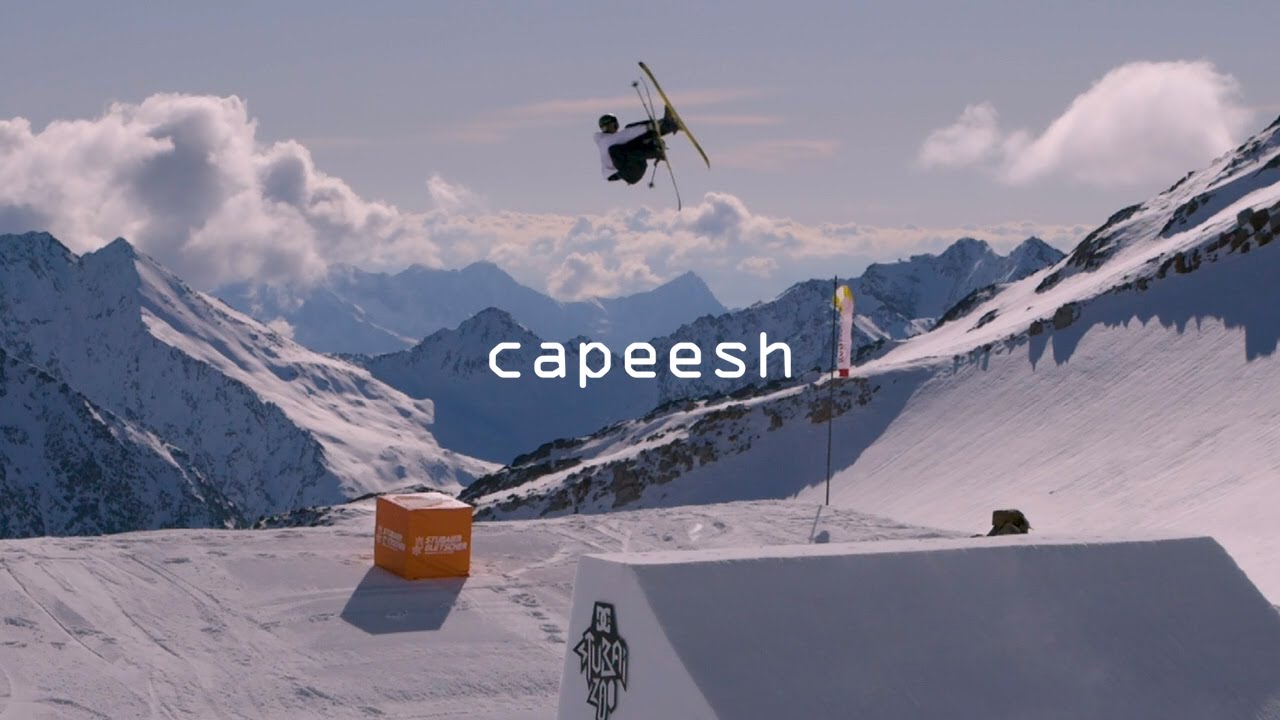
Switzerland’s park ecosystem is unusually complete. LAAX is the benchmark for scale and cadence: multiple parks (Beginner to Pro), a halfpipe, and a build philosophy that refreshes lines frequently without losing speed consistency—hence its magnetism for teams and its anchor role with the LAAX Open (LAAX Open). Zermatt contributes near year-round access with a winter park by Furggsattel and a summer setup on Plateau Rosa designed for high-frequency morning sessions (Zermatt Tourism). In the Engadin, Corvatsch Park is competition-grade and has hosted major slopestyle/pipe training blocks and events (Corvatsch Park). Davos’ JatzPark focuses on a clear ladder of rails and tables that rides well in colder temperatures (Davos–Klosters Snowparks).
On the freeride stage, Switzerland owns the finale: Xtreme Verbier on the Bec des Rosses crowns the Freeride World Tour champions in late March or early April—an enduring showcase of line choice and control on consequential terrain (Freeride World Tour). Elsewhere, Europa/World Cup calendars bring park & pipe and alpine race weeks to Swiss venues most winters. The practical upside for public riders is consistent shaping and predictable jump speed throughout the core months, plus cleaned-up runouts and fencing around event periods.
Access, logistics, and on-mountain flow
Swiss logistics are part of the draw. Trains run like clockwork, often right to the lifts: the Matterhorn Gotthard Bahn terminates in car-free Zermatt (drivers park in Täsch and shuttle the last 12 minutes), Verbier’s Le Châble gondola is integrated with rail service, and LAAX is a short post-train bus from Chur (SBB/CFF/FFS). Car-free villages such as Zermatt and Saas-Fee smooth mornings and keep air clear; even in drive-in resorts, wayfinding and parking tend to be straightforward.
Daily flow is about windows and aspect. In storms or flat light, default to treeline laps: LAAX’s lower benches, Davos–Klosters’ sheltered pistes, Verbier’s lower forests. As ceilings lift, step to bowls and ridges: morning sun in Verbier’s Mont-Gelé/Mont-Fort sector or Corvatsch; preserved winter on north-facing ribs in Zermatt and Engelberg. For park mileage, warm up on small/medium lines to calibrate wax and pop, then move to main jump lines as lips firm and winds relax. When you’re mixing resort days with touring, structure plans around lift-served “ski routes” and posted opening times—they’re common in Switzerland and let you access bigger terrain without leaving the boundary.
Local culture, safety, and etiquette
Switzerland’s safety framework is explicit and centralized. The national avalanche bulletin and snowpack analysis are published by the WSL Institute for Snow and Avalanche Research (SLF); it’s the baseline check before any off-piste or touring day (SLF avalanche bulletin). Glaciated terrain demands extra respect: stay inside marked corridors on Zermatt/Saas-Fee glaciers unless you’re roped up and with trained partners, and never duck perimeter ropes to “peek” at seracs or slots. Inside resort boundaries, expect staged openings after storms as patrol manages wind loading and cornices.
Park etiquette is non-negotiable: inspect features, call your drop, hold a predictable line, and clear landings/knuckles immediately so the lane keeps moving. Many Swiss parks run multiple parallel lines; choose the one that matches your speed and feature size rather than weaving. Helmets are the norm, and slow/merge zones are enforced near lift mazes and learning areas. In car-free villages, plan your transfers; electric taxis and hotel shuttles replace personal cars, which keeps the streets walkable and mornings calm.
Best time to go and how to plan
For cold snow and repeatable jump speed, target mid-January through late February. That’s when overnight freezes are most dependable, landing zones stay supportive, and wind-buffed chalk sets on leeward faces. March–April bring longer days and classic corn cycles by aspect, with higher, shaded faces remaining wintry for weeks—ideal for filming and for big-mountain intros when stability allows. If you’re chasing nearly year-round laps, Zermatt’s winter park typically runs October into May, with summer sessions on Plateau Rosa in the morning window; Saas-Fee often hosts late-summer/early-autumn glacier training when coverage permits.
Build itineraries by corridor to minimize transit: a Valais loop (Zermatt/Saas-Fee/Verbier) for big alpine variety; a Graubünden plan (LAAX/Corvatsch/Davos) for park-first flow plus long pistes; a central stretch (Engelberg + Bernese Oberland) for steep storm laps and Eiger–Mönch–Jungfrau scenery. Each day, check lift/park status and the SLF bulletin at breakfast, then pick sectors by aspect, temperature, and wind. If you’re rail-heavy, keep a “jibs only” backup plan for days when gusts make jump speed inconsistent, and use glacier mornings for high-frequency reps before surfaces soften.
Why freeskiers care
Because Switzerland turns altitude, access, and craft into momentum. You can lap contest-grade parks at LAAX and Corvatsch, ride a near year-round park at Zermatt, push line choice on Verbier’s natural faces, and do it all on a network of lifts and trains that keeps the day moving. Add a clear avalanche framework, car-free villages that simplify mornings, and an event calendar that spans park, pipe, and big-mountain finals, and you have a destination where learning faster and filming cleaner is the default—not the exception.