Whistler-Blackcomb
Rocky Mountains
Canada
Overview and significance
Whistler Blackcomb is Canada’s flagship resort and a global reference point for freeskiing, pairing massive scale with a lift system that keeps days flowing. The resort’s official mountain brief lists 8,171 acres of skiable terrain, more than 200 marked runs, 36 lifts, and three terrain parks spanning intermediate to expert, with highest lift access at 2,284 m and base elevation around 675 m—good for roughly 1,609 m (5,280 ft) of vertical in a single push. Average snowfall is given at about 432 inches (1,091 cm) and the operating calendar regularly stretches among the longest in North America, which is why film crews, national teams, and everyday park riders treat Whistler Blackcomb as a season-long training ground.
The two-mountain design is the engine. Whistler and Blackcomb are joined mid-mountain by the PEAK 2 PEAK Gondola, an 11-minute, 4.4-km span that makes it easy to follow weather and aspect without losing time. Cultural pedigree runs deep too. Alpine events for the Vancouver 2010 Winter Olympics were staged at Whistler Creekside, and each April the World Ski & Snowboard Festival turns the village and high alpine into a week of comps and films, with slopestyle traditionally centered on Blackcomb’s pro build.
Terrain, snow, and seasons
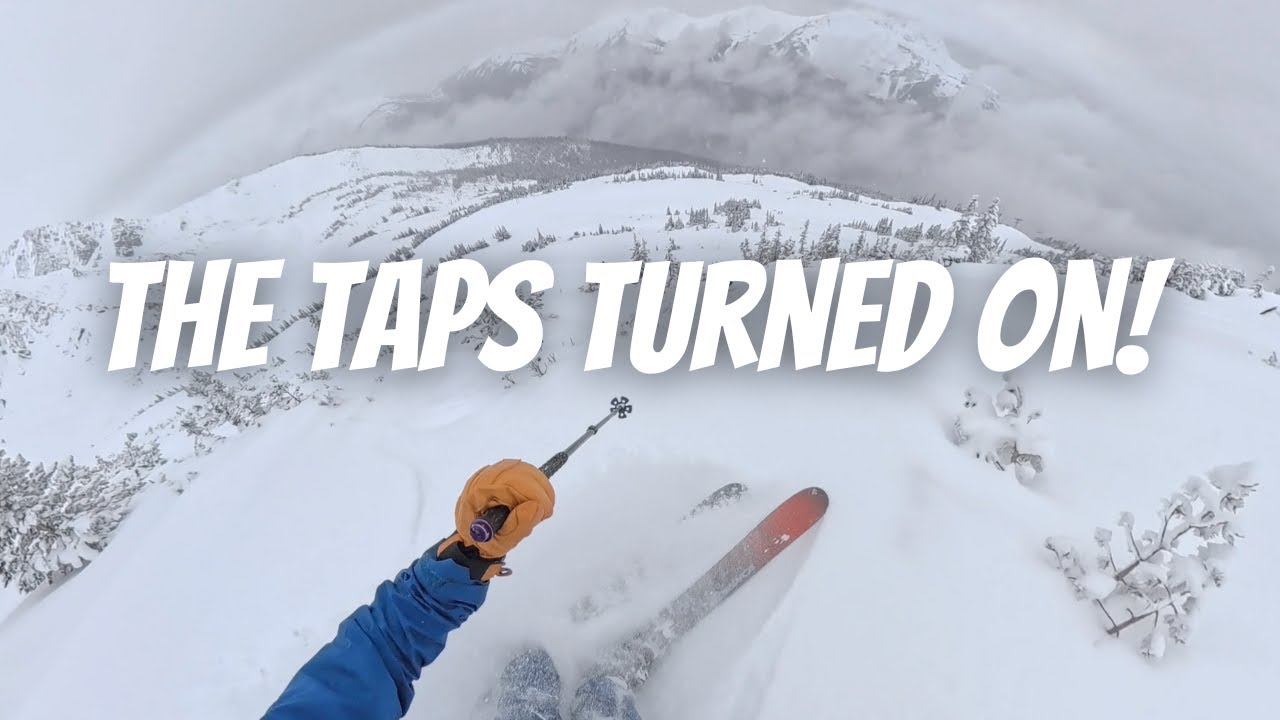
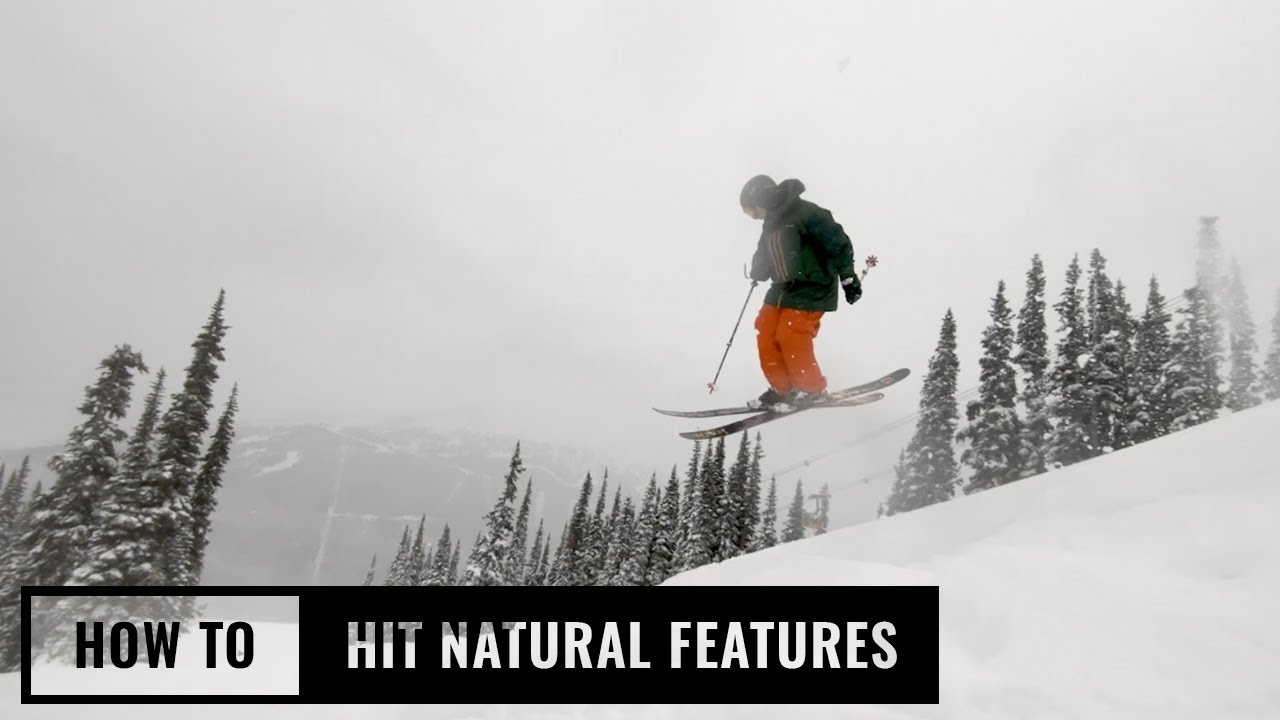
Terrain breadth is the hallmark. High on both mountains you’ll find alpine bowls, ribs, gullies and three lift-served glaciers, with long groomers and sheltered benches lower down that hold definition when the ceiling drops. Whistler’s Peak and Harmony–Symphony sectors ride “big” on storm refreshes, with obvious fall lines and side-hit traverses that let mixed crews choose their level without splitting up. Blackcomb layers in classic laps off 7th Heaven, access to Blackcomb Glacier, and a network of rolling pistes and trees that ski predictably in flat light.
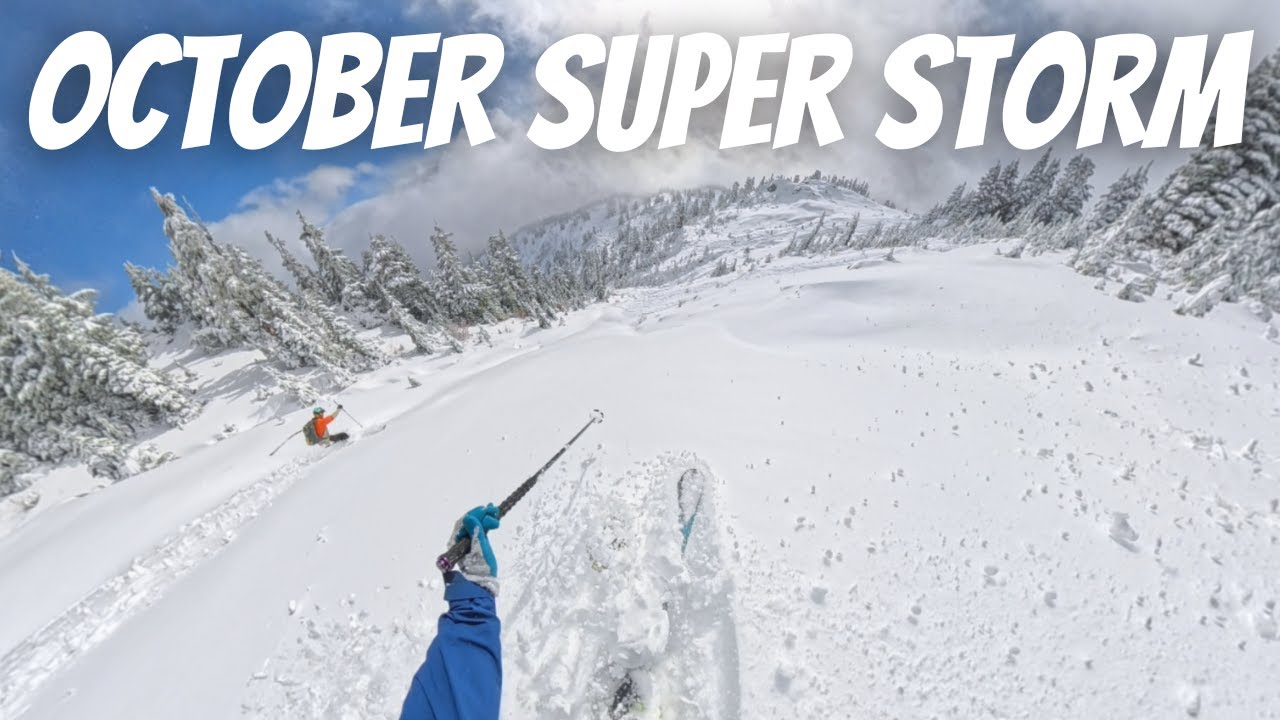
The Coast Mountains snowpack trends maritime during active weather—dense enough to shape lips and landings—then sets into supportive chalk on leeward panels once winds ease. That mix is friendly to progression: speed holds on groomers in cold snaps, and landings stay trustworthy on the main jump lines through the heart of winter. Mid-January through late February is the most repeatable window for cold, consistent speed; March and April add blue windows and aspect-driven softening for forgiving landings, with many upper circuits holding winter texture well into spring.
Park infrastructure and events
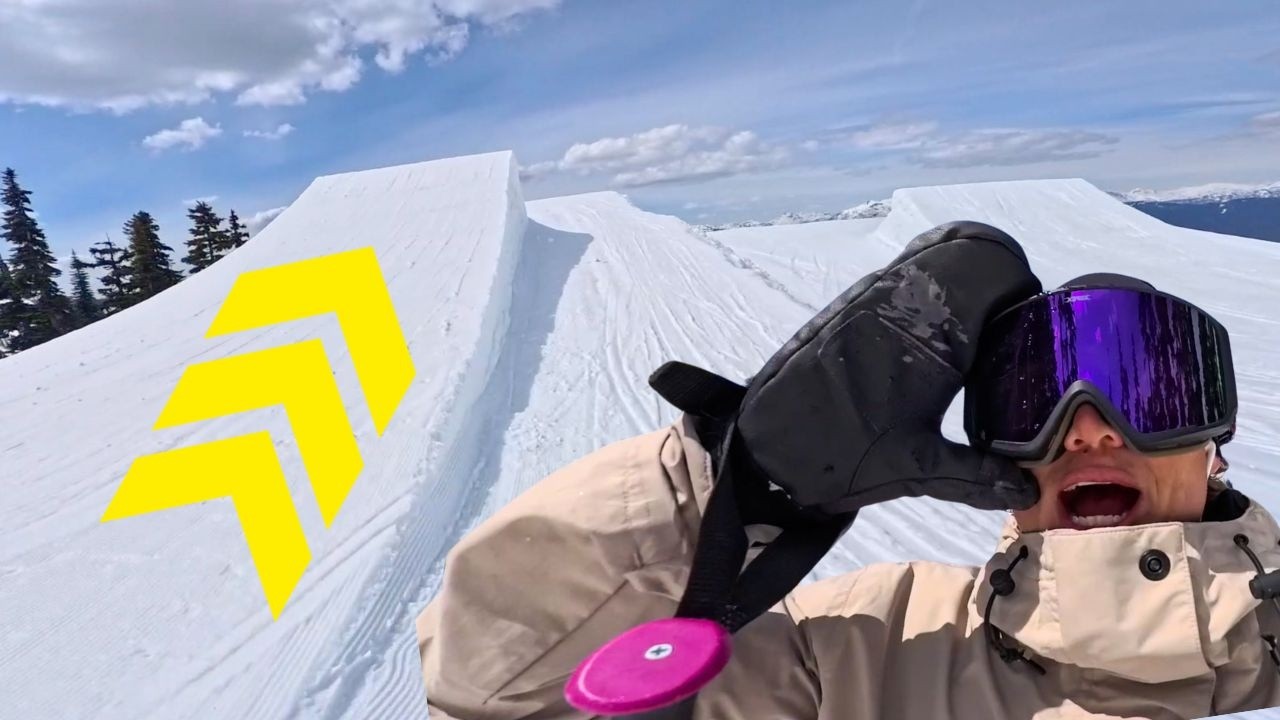
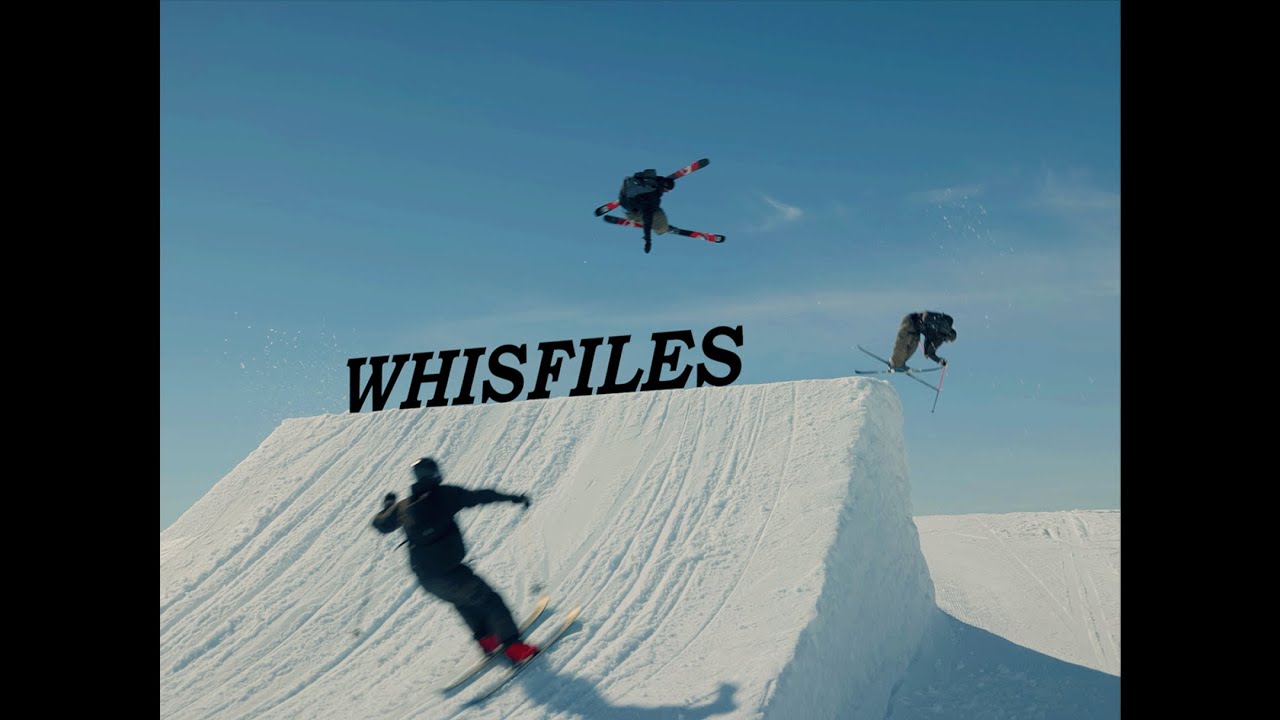
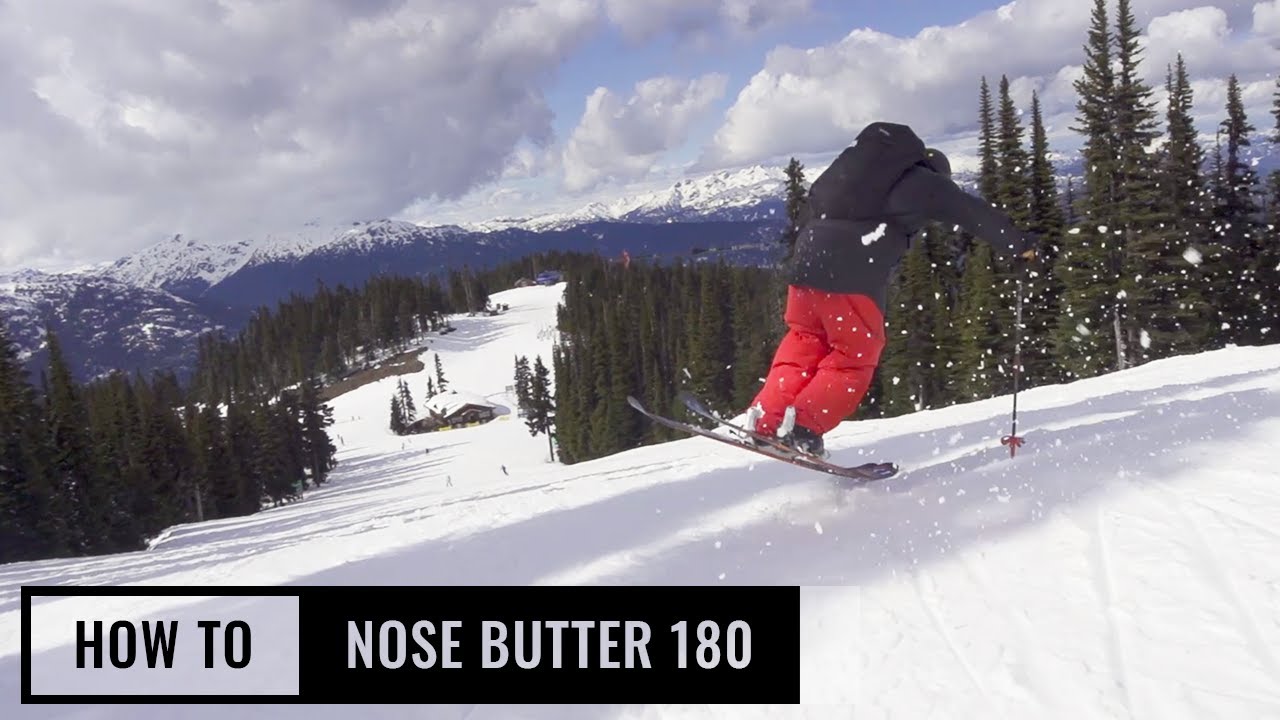
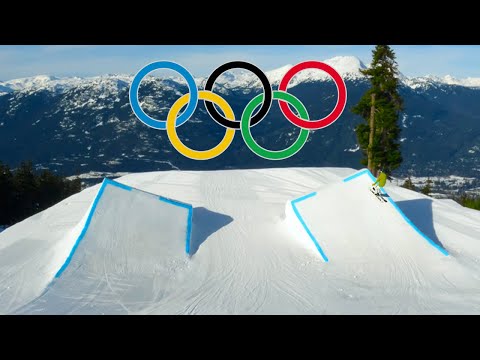
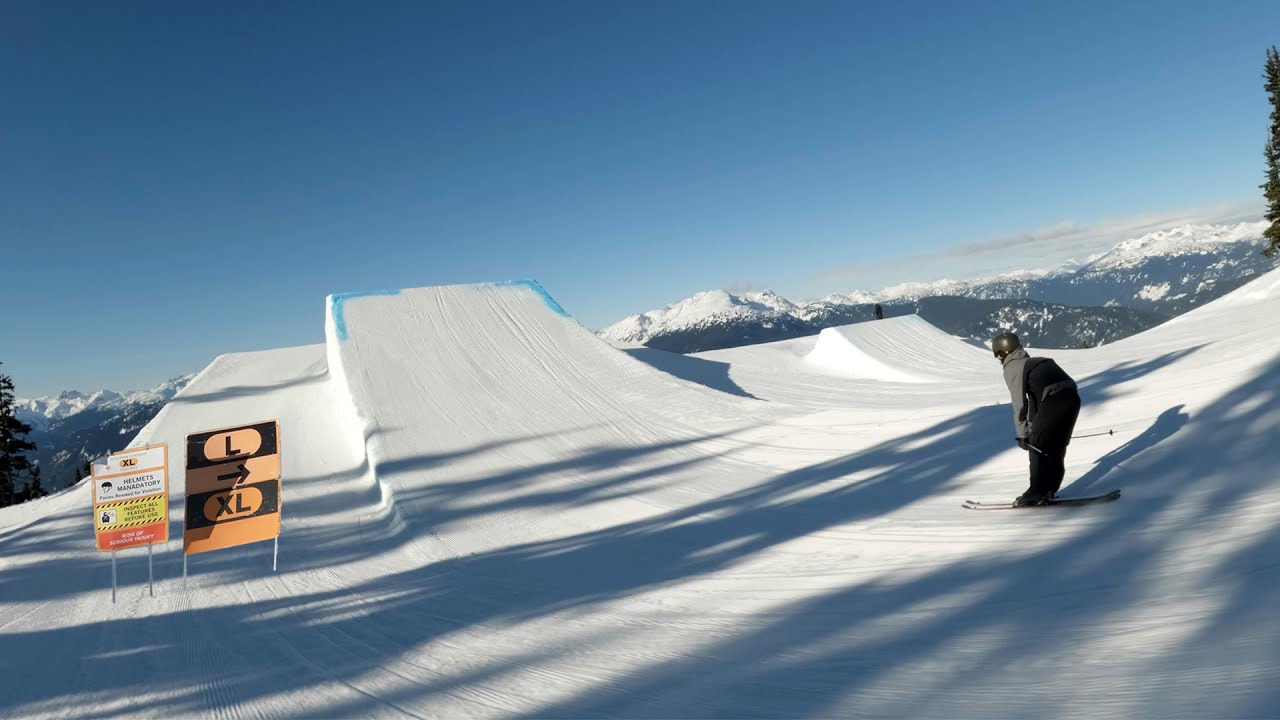
Blackcomb’s park program is the anchor for freestyle. The resort’s terrain-park overview describes a stepping-stone pathway for intermediate and advanced riders culminating in the expert-only Highest Level Park when conditions permit. Expect a creative rail garden culture alongside jump lanes that scale with the base, plus hips and step-downs that make the most of Blackcomb’s natural contours. Because the parks sit close to efficient chairs and mid-mountain connectors, you can stack repetitions without burning time on traverses.
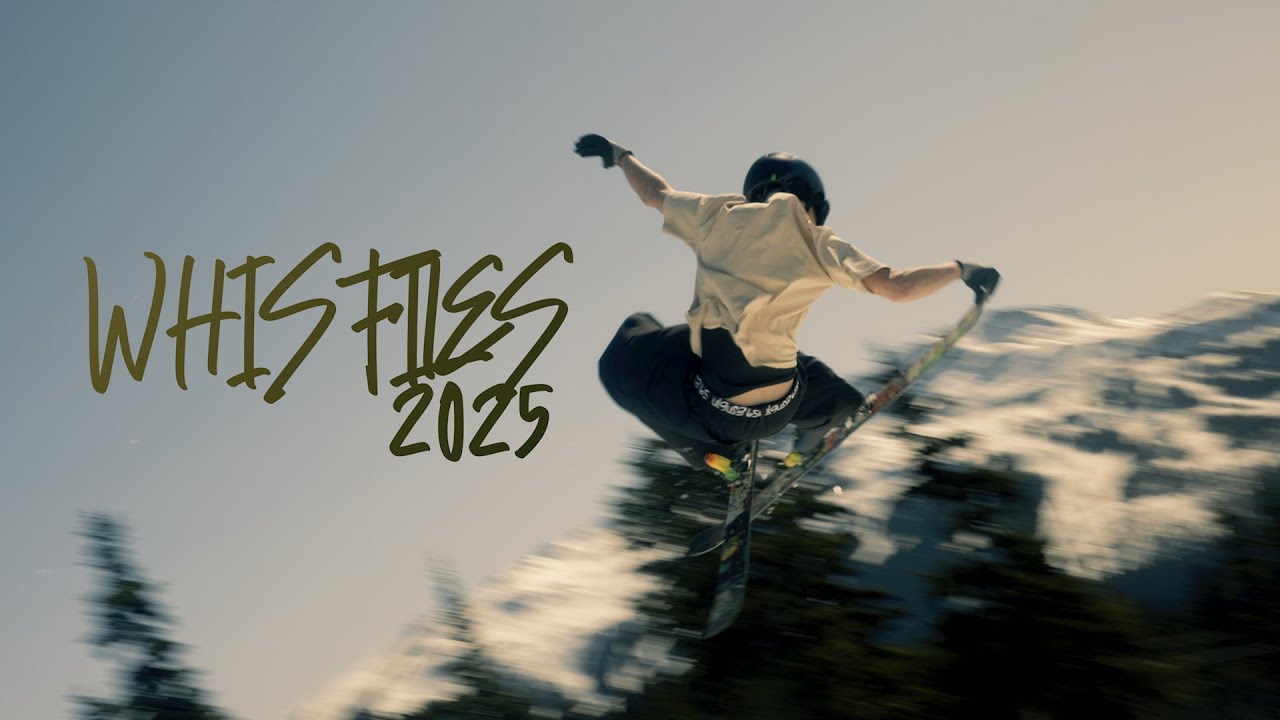
Event pedigree shows up every spring. The World Ski & Snowboard Festival schedules slopestyle in the Highest Level Park, with qualifiers and finals that draw regional and international riders, and the weeklong program across venues keeps the village buzzing. Earlier in the season, you’ll see a steady diet of grassroots jams, photo sessions, and brand-led clinics that leverage the same build standards you’ll find on competition week. The practical takeaway for visitors is simple: in peak months, jump speed and landings are looked after carefully, and line evolution happens without breaking cadence.
Access, logistics, and on-mountain flow
Getting there is easy. Whistler sits about two hours north of Vancouver along Highway 99—the Sea to Sky—so you can land at YVR in the morning and still make meaningful afternoon laps. Resort travel pages consolidate self-drive, shuttle and parking guidance; if you’re car-free, frequent coach services connect downtown Vancouver and the airport to Whistler Village with gear-friendly storage. Once you’re on snow, build the day around aspect and visibility. In active weather, lap sheltered benches off mid-mountain lifts and the lower trees; as skies lift, link bowls via the PEAK 2 PEAK to chase chalk and drifted panels. For efficiency on busy days, use the village gondolas to upload and the mid-mountain crossing to bypass base crowds entirely.
If you’re new to the footprint, start with a quick map read over breakfast and set simple rendezvous points—top of Emerald on Whistler, the junction near Glacier and Jersey on Blackcomb—so the group can branch by difficulty and regroup without phone service. The resort’s trail map callouts also emphasize slow zones and a visible Mountain Safety Team near learning areas; internal etiquette and clear merges keep the big network moving smoothly. For families or mixed crews, Whistler and Blackcomb base areas each offer rentals, day lodges and beginner corridors, so you can anchor the day to whichever side matches your plan.
Local culture, safety, and etiquette
Inside the ropes, treat staged openings and rope lines as non-negotiable; wind and new snow move quickly at this scale. If you step beyond resort boundaries—through any backcountry gate into the Spearhead or Fitzsimmons ranges—you’re in real avalanche terrain. Your morning routine should include reading the Sea to Sky bulletin from Avalanche Canada, carrying beacon, shovel and probe, moving with partners who know companion rescue, and planning conservative re-entry to the ski-area boundary before operations shut for the evening. The resort’s own backcountry re-entry advisories are worth a read, as they spell out after-hours hazards such as active grooming, winch cats and snowmobiles, and remind you to confirm in-bounds terrain status before returning to the lifts.
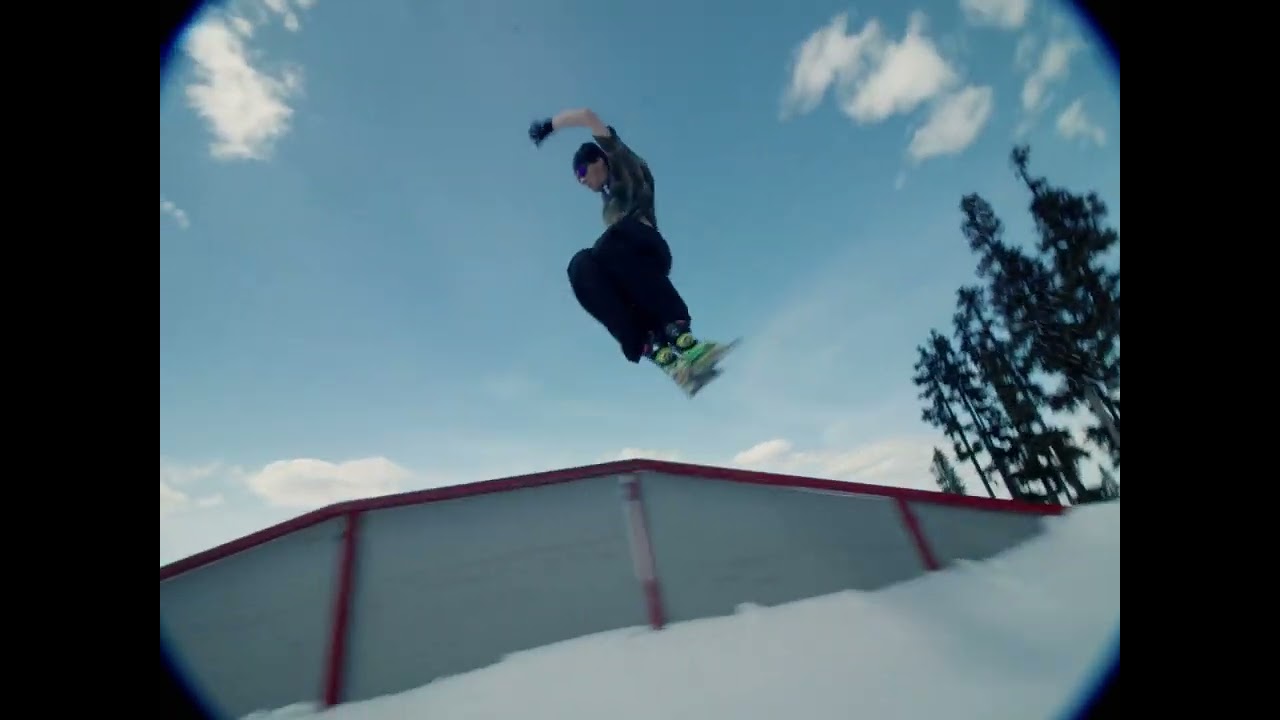
Within freestyle zones, keep the cadence. Park SMART applies: inspect features, call your drop clearly, hold a predictable line, and clear knuckles and landings immediately. On busy days, choose a two- or three-feature circuit in the intermediate lanes to calibrate speed before stepping to the pro line. Detune contact points for rails but keep enough edge for predictable grip on cold-morning in-runs; spring sessions may require a quick scrape between laps as the surface warms. Courtesy around teaching lanes, slow zones and traverses matters here more than most places because the lift network funnels many abilities into the same arteries—good flow is a shared responsibility.
Best time to go and how to plan
Plan for two distinct moods. Mid-winter (mid-January to late February) delivers the most repeatable jump speed and groomer consistency; build multi-hour park blocks in the morning when lips are crisp and winds light, then pivot to bowls and ribs once patrol drops ropes. Spring (March into April) swaps a few storm days for long light, excellent filming conditions, and forgiving landings by aspect; aim mornings at shaded north faces and park jump sets, then chase corn on solar slopes into early afternoon. If you’re visiting in April, the World Ski & Snowboard Festival adds night events and a village-wide program that extends the day; book lodging within walking distance of the gondolas to avoid time drains.
Daily rhythm is straightforward. Warm up with two groomer laps to check wax and speed, session an intermediate rail line to lock timing, then step to the day’s main jump lane once you’ve confirmed in-run pace. Use the PEAK 2 PEAK to pivot by wind and light instead of by car, and seed two anchor runs—one park circuit, one bowl line—so your crew can reunite quickly between attempts. On low-visibility days, stick to lower-mountain trees and benches where definition holds; when the ceiling lifts, make a beeline for alpine bowls and the Blackcomb Glacier laps that ski “big” even between storms. If you’re mixing resort days with touring, consider staging from huts such as the Kees and Claire at Russet Lake on rest days, but bring full self-sufficiency and respect Garibaldi Provincial Park regulations.
Why freeskiers care
Because Whistler Blackcomb combines everything that accelerates progress. You get near-endless terrain with real vertical, a proven park program that scales to pro lines, a lift network that lets you chase conditions across two mountains in minutes, and a spring festival that caps the season with competition-grade shaping and energy. Add a clear safety framework, straightforward access from a major city, and a village built to keep transitions short, and you have a destination where learning faster and filming cleaner isn’t an aspiration—it’s the norm.