Inspired Media Concepts
StudioUnited States
Brand overview and significance
Inspired Media Concepts is a skier-run film imprint founded in 2010 by pro skier Tanner Hall and filmmaker Eric Iberg in Park City, Utah. The mission was simple and radical for the time: put style-forward freeskiing at the center of the story and take it directly to the people. Through rider-led movies, web shows, an online channel, and a grassroots demo tour, Inspired helped define the look and feel of a crucial decade in park, street, and creative all-mountain skiing. The label’s official store and brand history live at Inspired Media, while its fingerprints remain all over modern edits and event culture.
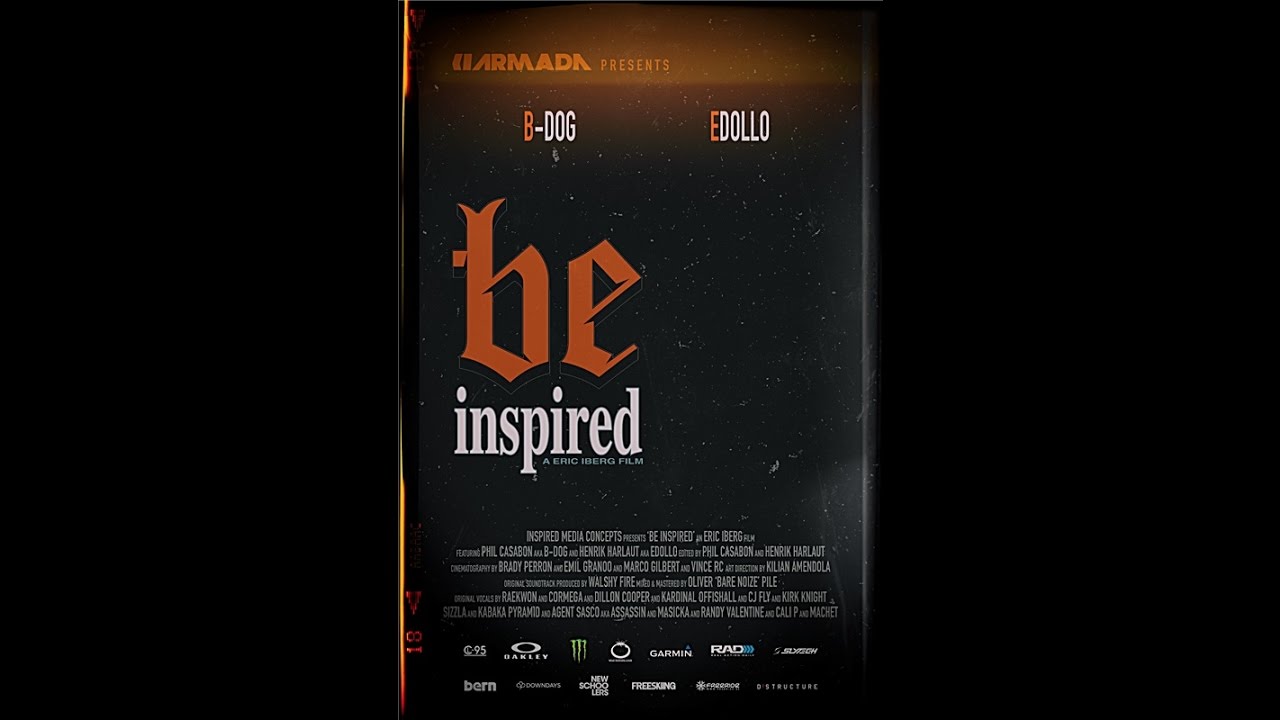
Inspired mattered because it shifted who held the camera—and why. Projects such as “The Education of Style” (Tanner Hall, Phil Casabon, Henrik Harlaut; directed by Eric Iberg) and “BE Inspired” (Harlaut & Casabon) set a new baseline for flow, trick selection, and music, and the B&E web show carried that energy between film drops. Off-screen, the crew piled into vans for the Inspired Demo Tour, meeting fans at small hills and proving that world-class skiing could show up anywhere. For skiers who came of age in the 2010s, the brand’s logo was synonymous with creativity, community, and progression.
Product lines and key technologies
Inspired doesn’t manufacture skis; its “products” are film and culture. The portfolio spans feature-length movies, short films, web shows, and a traveling demo tour. On the long-form side, “The Education of Style” became required viewing for anyone who cares about line choice and body language on rails and jumps, while “BE Inspired” condensed two seasons of Harlaut and Casabon into a statement piece that still plays in coaching sessions and shop basements. Online, the B&E Show and other Inspired TV series kept the feed moving with road segments, street trips, contest windows, and behind-the-scenes cuts. The apparel arm extended the movement into hoodies, beanies, and limited drops distributed through the brand’s own store at Inspired Media.
If there is a “tech” story, it’s editorial and format: consistent color and pacing that lets style breathe, music supervision that feels hand-picked rather than generic, and athlete-led shot lists that favor flow over stunt reels. The Inspired Demo Tour added live format innovation—athletes skiing with locals at night-lit parks and small community areas—turning spectators into participants.
Ride feel: who it’s for (terrains & use-cases)
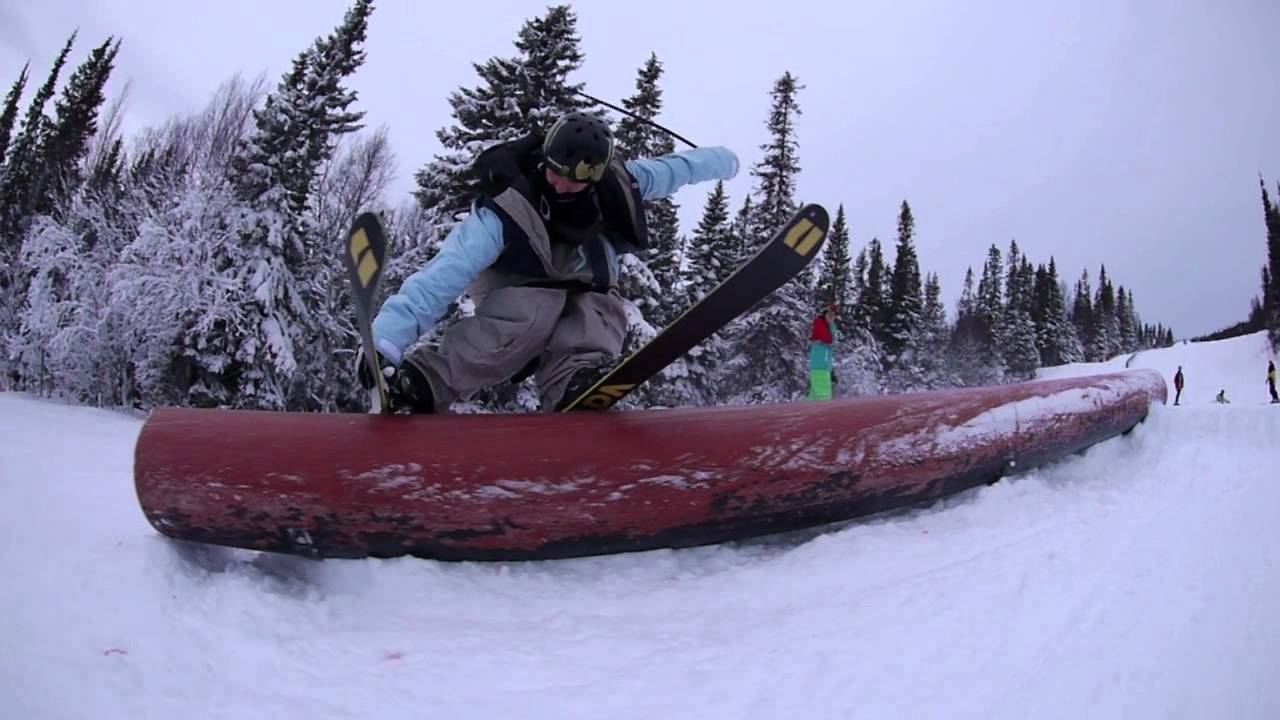
Translate “ride feel” to viewing and influence. Inspired’s work speaks directly to park and all-mountain-freestyle skiers who care about how skiing looks as much as what’s landed. Rail technicality, hip and wind-lip play, and smooth jump speed reads are the throughline. If your winter is rope-tow laps, rail gardens, and side-hits, the films feel like home—and if you’re a directional skier, the lessons still apply: pressure management, timing, and confident, low-impact landings carry over to trees and chop. Coaches and teams often use Inspired-era segments as pacing and trick-selection references; street crews borrow the rhythm and spot creativity; weekend riders watch for line ideas they can try the next day.
Team presence, competitions, and reputation
The roster reads like a style hall of fame: Henrik Harlaut, Phil Casabon, and Tanner Hall at the core, with a rotating cast in web shows and tour stops. While podiums were never the point, the overlap with X Games and major events kept the imprint in the conversation; Harlaut and Casabon’s contest windows and filming blocks informed one another, and the demo tour became a North American folk legend—dozens of resorts in a few short months, meeting kids in lift lines and parking lots instead of VIP rooms. That approach built a reputation for authenticity that still carries weight when riders and editors talk about “feel.” For contest context, see the official hub at X Games.
Geography and hubs (heritage, testing, venues)
Park City served as the operational springboard, with year-round laps and nearby training venues feeding quick-turn content (resort info at Park City Mountain). The demo tour stitched together the Northeast, Midwest, and Canadian small-hill network—places where rope tows and night sessions produce enormous volume. In Europe, the crew’s orbit touched the French Alps—with showcases like the B&E Invitational in Les Arcs (resort: Les Arcs)—and the Pyrenees, where night parks such as Grandvalira’s Peretol sector became reliable filming and session venues (parks overview: Grandvalira).
Construction, durability, and sustainability
For a media label, “construction” is about production systems and how they manage risk without killing spontaneity. Inspired’s hallmark was small, nimble crews who could move fast, keep riders warm and safe, and still capture clean angles. That meant redundant batteries for cold nights, spot checks for in-run speed and knuckle visibility, and clear roles between filmer, spotter, and athlete when shooting urban features or crowded parks. The sustainability piece is cultural more than chemical: by promoting durable, repeatable skill building—spots you can session, lines you can refine—the films encourage progression that doesn’t rely on megabudgets or disposable setups, and the apparel side focused on limited, long-wear pieces rather than seasonal churn.
How to choose within the lineup
If you’re new to Inspired, start with the tentpoles. Watch “The Education of Style” to understand the movement’s foundations, then hit “BE Inspired” for the fully matured Harlaut–Casabon chemistry (we host a reference page at BE Inspired). Next dip into the B&E Show era for the travel and day-to-day cadence that drove the demo tour. Coaches and motivated riders can build a study path: pick one segment, list three transferable details (takeoff speed, body position on rails, landing absorption), and bring them to your local park session. If you’re mapping places to film or ride, aim for venues with repetition and lights—the exact environments where these projects were born.
Why riders care
Riders care because Inspired turned skiing into a conversation between athletes and the community—and did it without diluting the fun. The films still teach style without lectures; the tour proved that small hills and night parks can incubate world-class talent; and the brand’s DIY-but-polished approach is the template many crews use today. Whether you first saw the logo in a shop premiere or at a parking-lot meet-and-greet, the message stuck: skiing can be creative, inclusive, and serious about progression—all at once.