Oakley
United States
Brand overview and significance
Oakley is one of skiing’s definitive optics and protection brands. Founded in California in 1975 by Jim Jannard and part of the EssilorLuxottica family since 2007, Oakley moved from moto grips to goggles and sunglasses, then expanded into snow helmets and technical apparel. The company’s impact in freeski culture is simple to trace: Oakley standardized high-contrast snow lenses for variable light, built intuitive quick-swap systems for lens changes on storm days, and backed athletes across park, pipe, street, and big-mountain segments. For Skipowd readers, the brand’s hub lives at skipowd.tv/sponsor/oakley/, where team edits and film projects are organized alongside place context.
In competition and media, Oakley’s “O” logo is part of the modern visual language of freeskiing—on helmets at X Games Aspen, in glacier training calendars, and in rider-led films. Its snow portfolio—goggles, helmets, and outerwear—sits on decades of optical research and athlete feedback, reflected in technologies like Prizm™ Snow and the MOD-series helmet fit systems.
Product lines and key technologies
Oakley’s ski offering centers on goggles and helmets. On the optics side, the lineup includes spherical-vision frames such as Flight Deck, cylindrical options like Line Miner and Fall Line, and lens-change systems that balance speed and sealing—RidgeLock™ on Flight Deck/Fall Line and Switchlock® on Airbrake L. Prizm™ Snow tints (official overview) are engineered to heighten contrast and help riders read snow texture: Black for bright, Sapphire/Torch for variable light, and Rose for flat-light depth perception.
The lens stack pairs familiar Oakley fundamentals—High Definition Optics (HDO®), impact-resistant Plutonite® lens material, and F3 anti-fog coatings—with frame details such as triple-layer face foam and flexible O Matter® chassis. Many models integrate discreet OTG notches so prescription frames can sit comfortably under the goggle. Oakley’s goggle family is aggregated here: oakley.com/goggles/snow.
Helmets live under the MOD series and emphasize fit, integration, and protection. The MOD5, MOD1 MIPS, and related variants feature Mips® brain-protection systems, BOA® 360 Fit dials, Fidlock® magnetic buckles, and tuned ventilation. Oakley’s helmet technology overview is here: oakley.com/lp/helmet-technology.
Ride feel: who it’s for (terrains & use-cases)
Park and pipe riders who need consistent sight-lines and reliable anti-fog performance gravitate to Line Miner and Fall Line for cylindrical look and speed, or Flight Deck for maximum peripheral vision. All-mountain skiers who rack up storm laps appreciate quick-swap lens systems and Prizm tints that maintain definition as light swings from flat to filtered sun. For backcountry and big-mountain use, the priorities are breathability and sealing: F3 anti-fog dual lenses and well-matched helmet/goggle interfaces reduce fogging on climbs and transitions, while Plutonite impact resistance and HDO clarity preserve confidence when speed and exposure increase.
Helmet “feel” hinges on the BOA dial and liner design: MOD1/5 models sit low and stable, minimizing bounce on landings and keeping pressure even across long days. Riders who move between rail gardens, jump lines, and sidecountry gates benefit from the all-day fit and eyewear integration that keeps goggles seated and dry.
Team presence, competitions, and reputation
Oakley’s snow roster blends contest leaders and style specialists. Athlete collaborations and signatures connect product to the scene: Mikaela Shiffrin’s Flight Deck and Sielo signatures sit alongside Henrik Harlaut’s Line Miner colorways on oakley.com and signature pages. At X Games Aspen—hosted at Buttermilk—the brand’s presence is visible across SuperPipe, Slopestyle, Big Air, and newer crowd-favorite formats. Event calendars and results live on official hubs such as X Games Aspen.
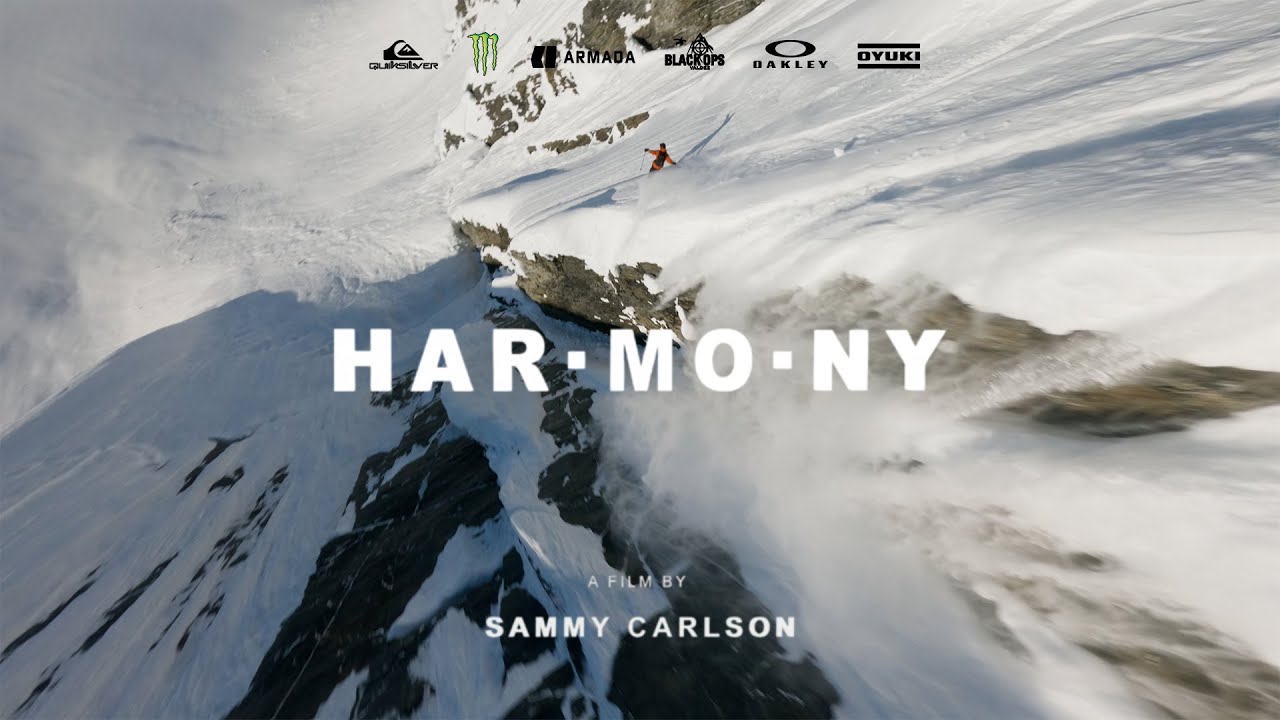
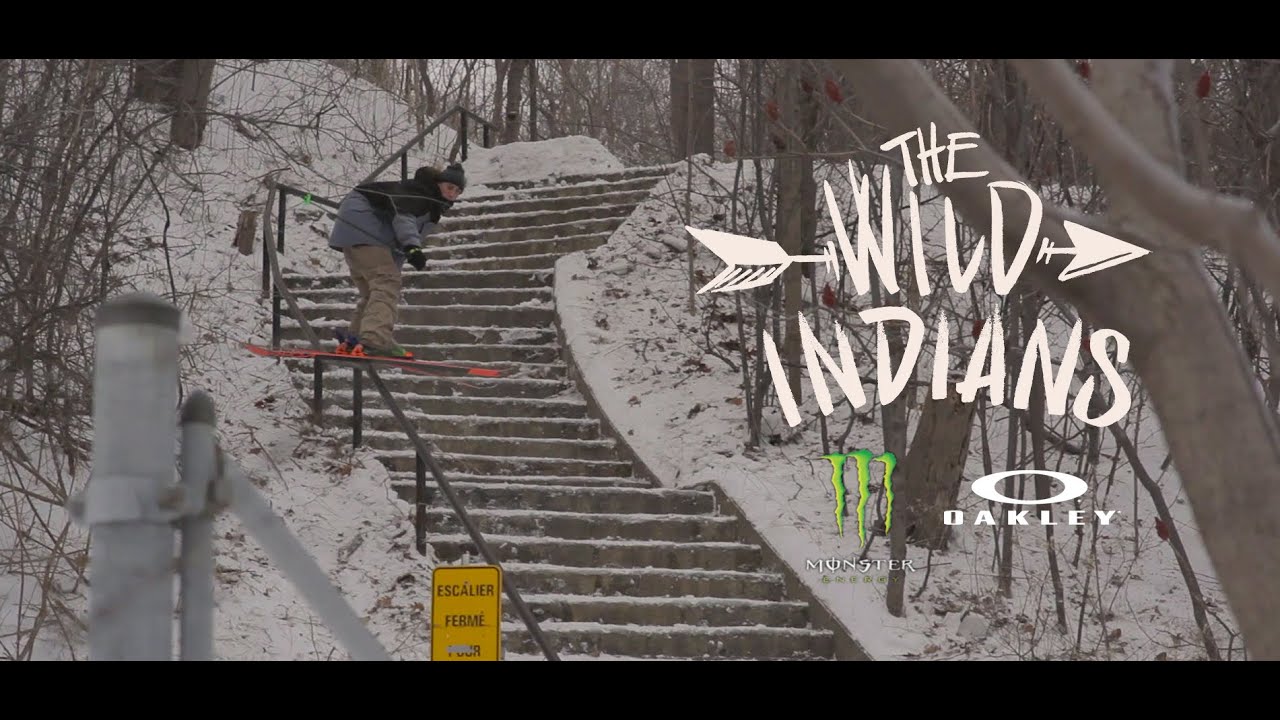
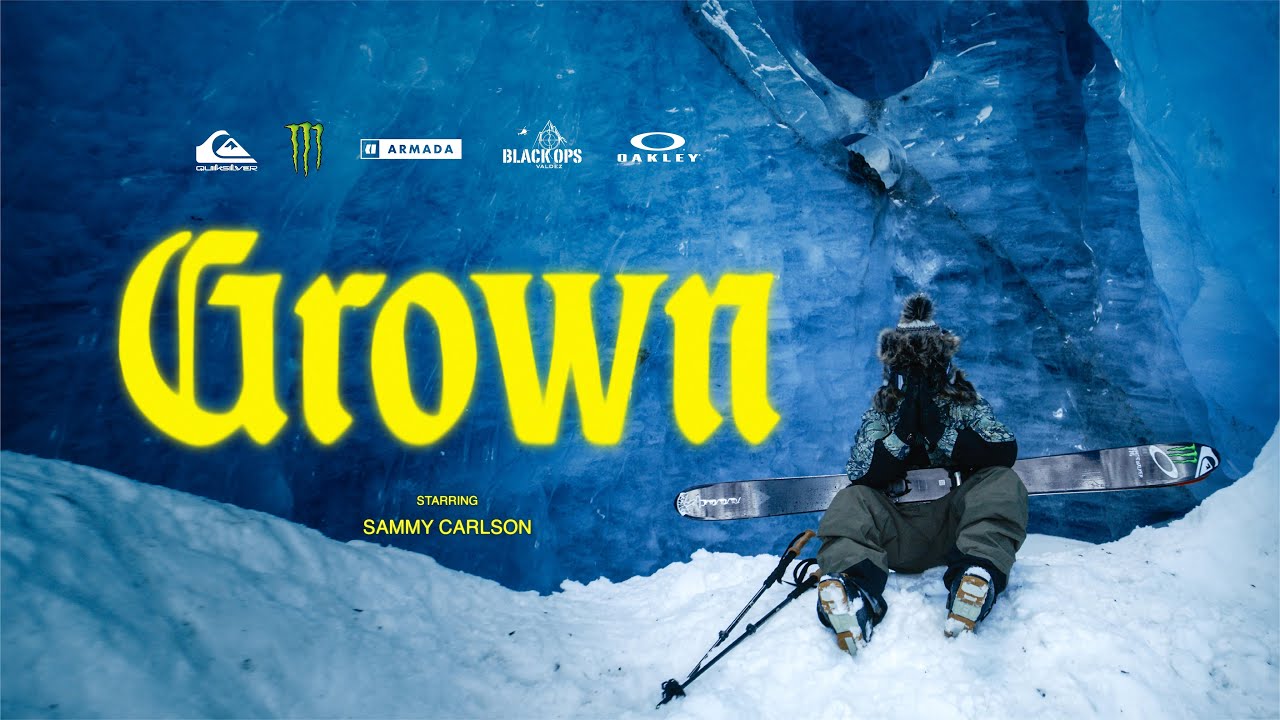
Beyond podiums, Oakley’s backing of rider-driven projects keeps street and backcountry edits moving during shoulder weeks. That continuity—contest windows, spring build weeks, and film seasons—gives the brand credibility with both weekend skiers and the athletes who set the bar.
Geography and hubs (heritage, testing, venues)
Oakley’s heritage is Southern California, but its snow footprint tracks global freeski hubs. In North America, Mt. Hood is a summer touchstone for park laps and camps; British Columbia’s Coast and Interior feed backcountry film calendars; and Aspen hosts winter’s highest-profile broadcast week at Buttermilk, with terrain-park infrastructure documented by Aspen Snowmass. In the Alps and Scandinavia, glacier training and spring shoots refine goggle/helmet integration for mixed weather and long days. Whistler remains a spring icon for park and big-mountain flow; see the place context here: Whistler-Blackcomb and the resort hub at whistlerblackcomb.com.
Construction, durability, and sustainability
Goggles pair injection-molded Plutonite® dual lenses with F3 anti-fog coatings and moisture-wicking triple-layer foams. Frames use O Matter® for cold-weather flexibility, and OTG-friendly notches on select models accommodate prescription eyewear. Helmets are built around hybrid or in-mold shells, EPS liners, and safety integrations (Mips®, BOA®, Fidlock®), with performance options like Skull Matrix appearing on higher-end variants. Official specs and family overviews are listed on Oakley’s snow category pages for goggles and helmets.
On responsibility, Oakley operates within EssilorLuxottica’s “Eyes on the Planet” framework (public sustainability reporting details packaging reduction efforts and material choices). Recent seasons have highlighted recycled content in select goggles and more sustainable packaging across snow categories. Apparel initiatives include responsible-cotton sourcing targets. The practical upshot for skiers: gear designed for multi-season durability, shipped with lower-impact packaging than prior generations.
How to choose within the lineup
Start with fit and field of view. If you prioritize maximum peripheral vision for jumps and all-mountain speed, Flight Deck (spherical) is the benchmark. If you prefer a flatter look and easier speed reads on rails, Fall Line (cylindrical) or Line Miner are strong. Choose size (S/M/L) based on face width and helmet interface; low-bridge fits are available in key models.
Lens logic. Build a two-lens quiver around Prizm™ Snow: a bright-light tint (Black) plus a variable/flat-light tint (Sapphire, Torch, or Rose). Quick-swap systems matter if you ride changeable weather—RidgeLock™ (Flight Deck/Fall Line) and Switchlock® (Airbrake L) keep swaps fast while preserving a complete seal.
Helmet pairing. MOD-series helmets are designed for clean interfaces with Oakley goggles. If you want maximum adjustability and deep feature sets, the MOD5 with Mips® and BOA® 360 Fit is the top choice; the MOD1 is the low-profile, park-friendly option. Prioritize a snug, even BOA feel with no goggle gap and clear nasal breathing under the strap.
Use-case fine-tuning. Park and pipe: cylindrical frames (Fall Line/Line Miner) for speed consistency and style. All-mountain: Flight Deck or Flight Tracker for panoramic vision. Big-mountain/backcountry: anti-fog performance and sealing with a variable-light Prizm lens; carry a spare for storm cycles. If you wear prescription glasses, look for models with OTG notches and medium-to-large volumes.
Why riders care
Oakley’s value to skiers is part optical science, part cultural consistency. Prizm™ Snow lenses make variable terrain legible; HDO® and Plutonite® maintain clarity and impact resistance; RidgeLock™/Switchlock® systems keep your lens choice honest when weather flips. On helmets, Mips® and BOA® integration translate to all-day comfort and protection that stays put from first lift to last lap. Layer in signature collabs with athletes like Mikaela Shiffrin and Henrik Harlaut, and visible support at global stages such as X Games Aspen, and you get a brand that shows up where progression actually happens—summer laps on Mt. Hood, deep weeks in British Columbia, and bluebird finals at Buttermilk. For skiers choosing gear that amplifies what they can see—and how they ride—Oakley remains a benchmark.