Monster Energy
United States
American energy drink and action-sports sponsor | Launched in 2002 by Hansen Natural | Known for: black-and-green claw logo, X Games visibility, Monster Army, freeski athletes, street edits, park contests and backcountry film projects | Focus: funding athletes, amplifying ski media and turning freestyle, freeride and youth culture into a global sports platform.
2002 cans, black-and-green branding and the rise of the claw
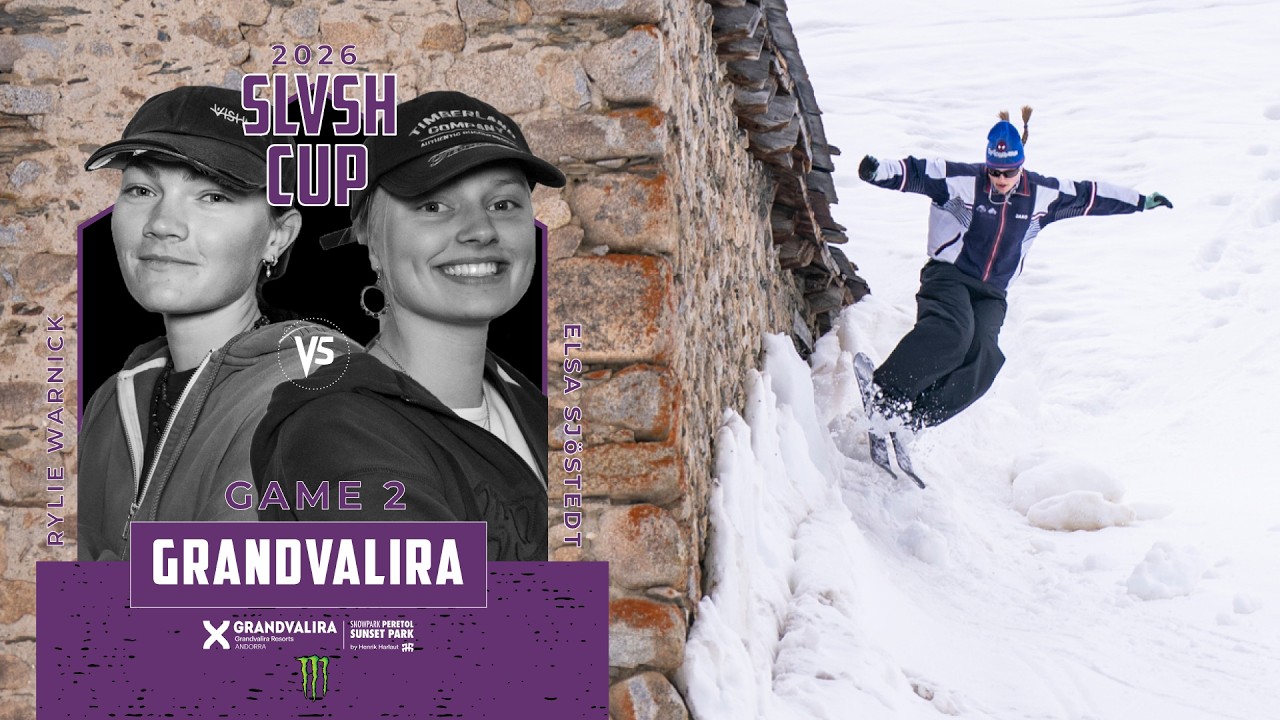
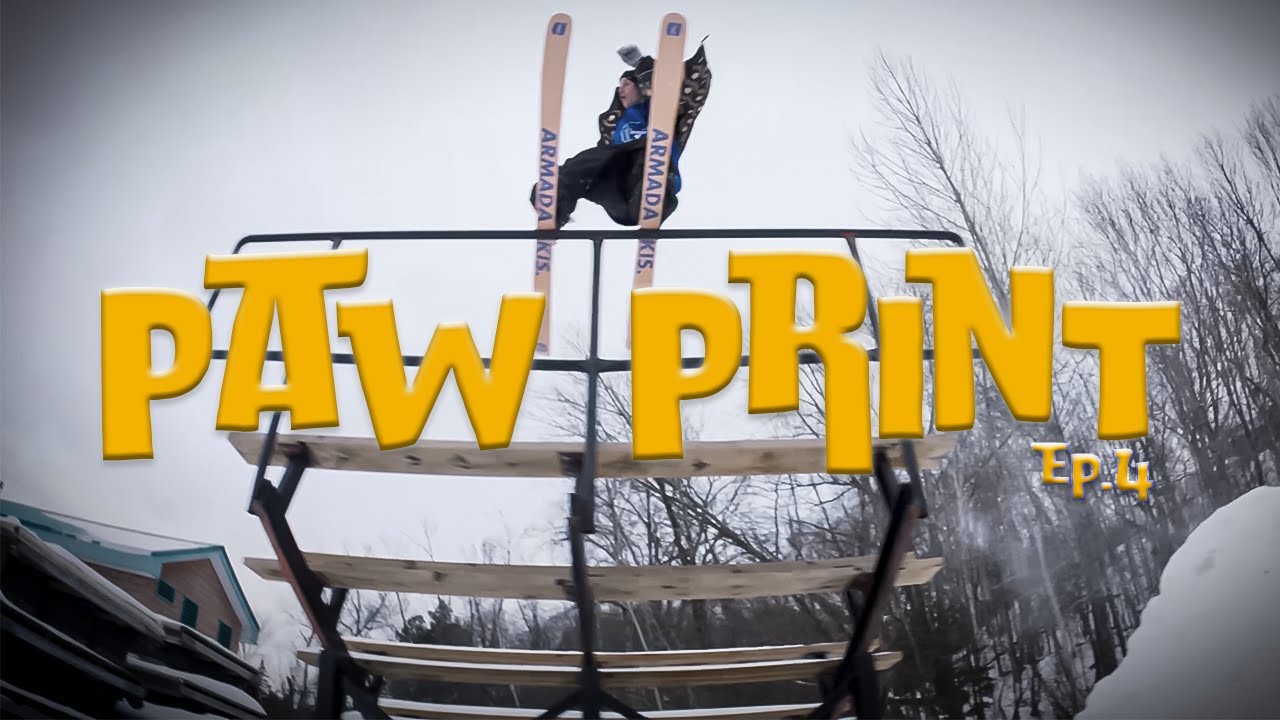
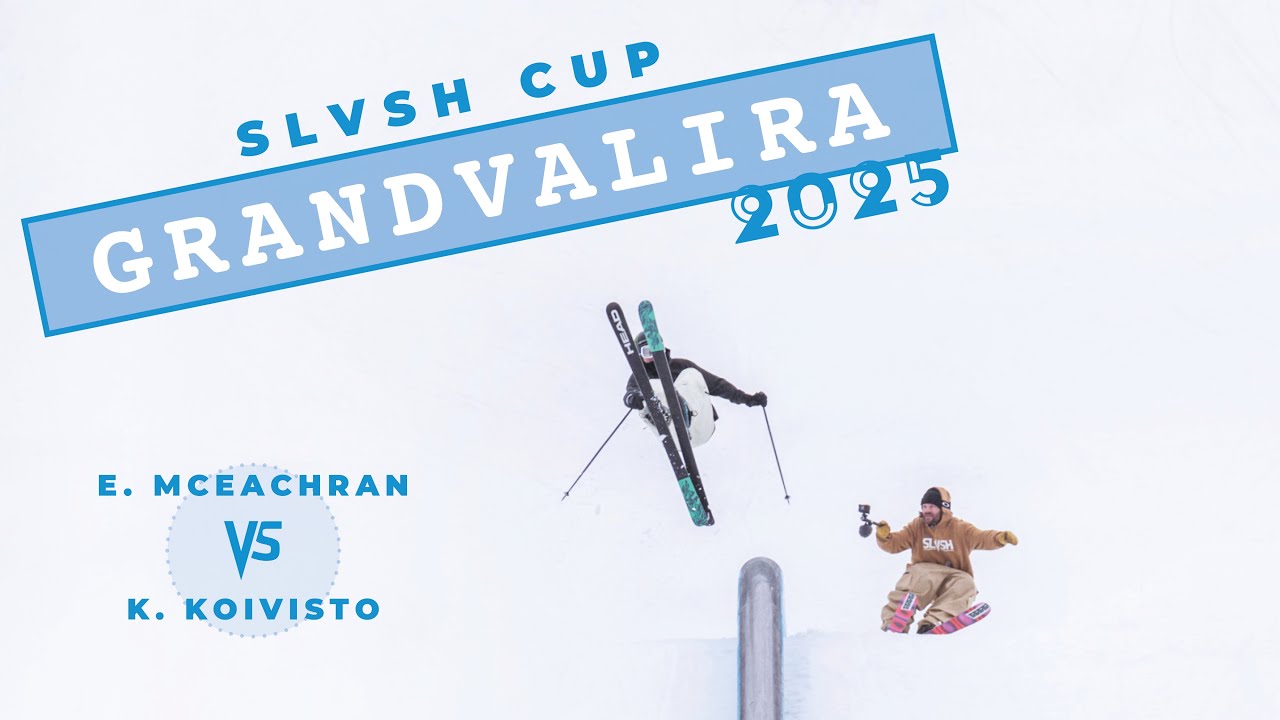
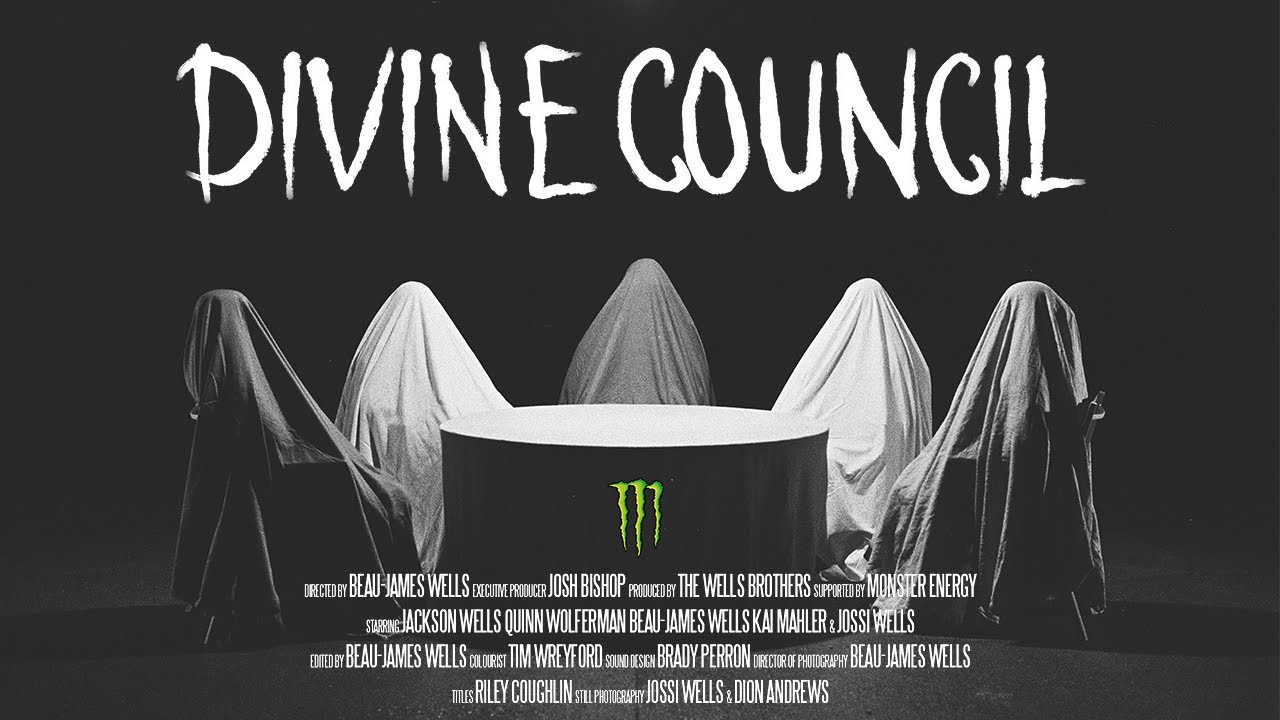
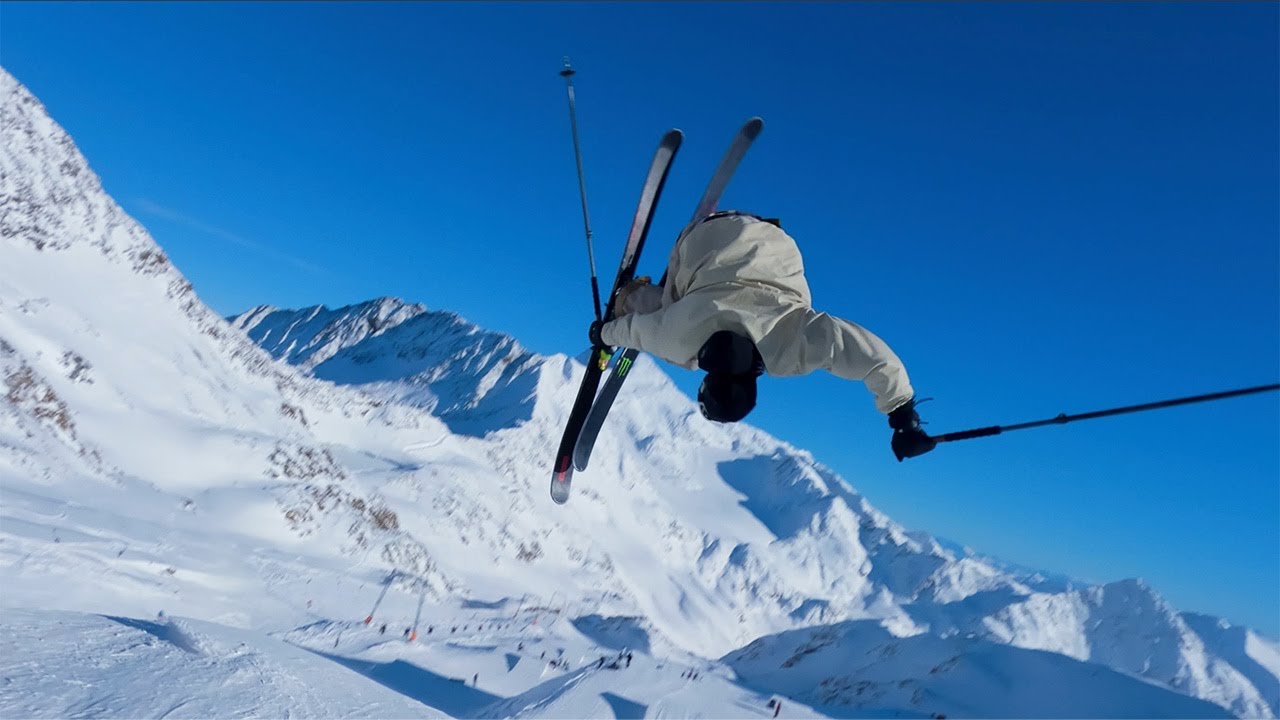
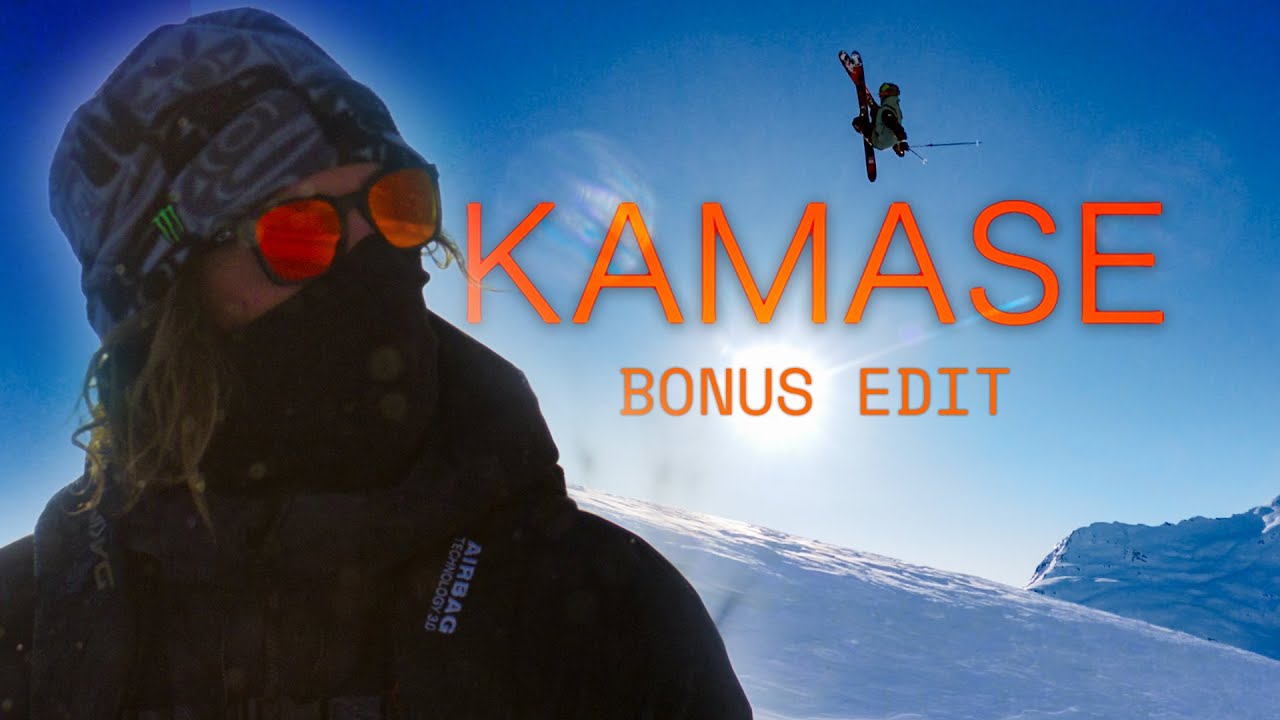
Monster Energy is not a ski manufacturer, crew or film studio, but it has become one of the most visible sponsor brands in modern freeskiing. Launched by Hansen Natural in 2002, the brand entered action sports with a loud identity: black cans, green claw marks, heavy event branding and a marketing language built around intensity rather than traditional beverage advertising. In skiing, that identity translated naturally into helmets, outerwear patches, event banners, video thumbnails and athlete-led media.
Monster’s importance in freeski comes from infrastructure. It does not shape skis underfoot, but it shapes the conditions around athletes: travel budgets, contest visibility, media shoots, development support and brand-backed storytelling. That matters in a sport where filming a street segment, flying to a competition, building a backcountry project or chasing a multi-week weather window can be expensive. Monster became one of the sponsors that could turn an athlete from a local name into a global face, especially when X Games, YouTube edits, Instagram clips and sponsor-driven video series became central to ski culture.
From energy drink lineup to freeski media machine
The product behind the brand is simple compared with a ski company’s catalog: Monster sells energy drinks, not bindings, skis or outerwear. Its range includes the classic Monster Energy identity alongside sugar-free, juice, coffee and other beverage lines depending on market. For ski culture, however, the more important “product” is visibility. Monster’s media ecosystem includes athlete pages, snow news, event recaps, video features and sponsor activations that keep freeskiers in circulation far beyond the contest broadcast window.
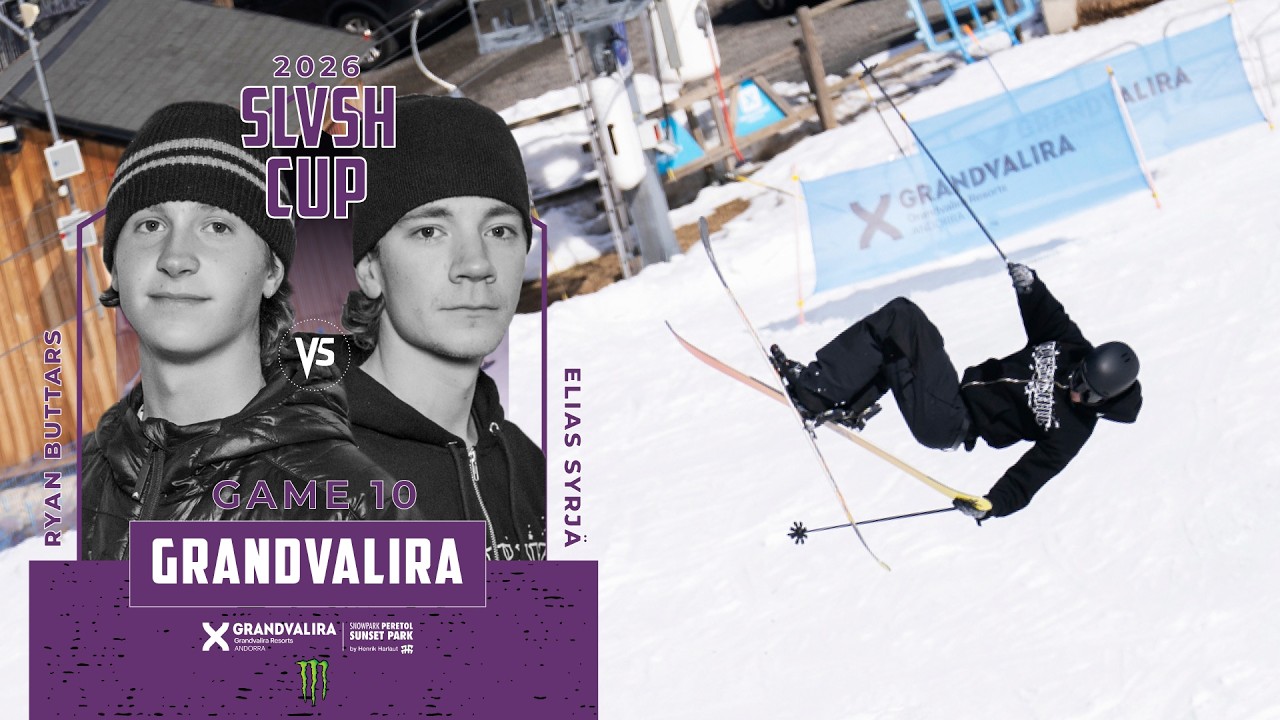
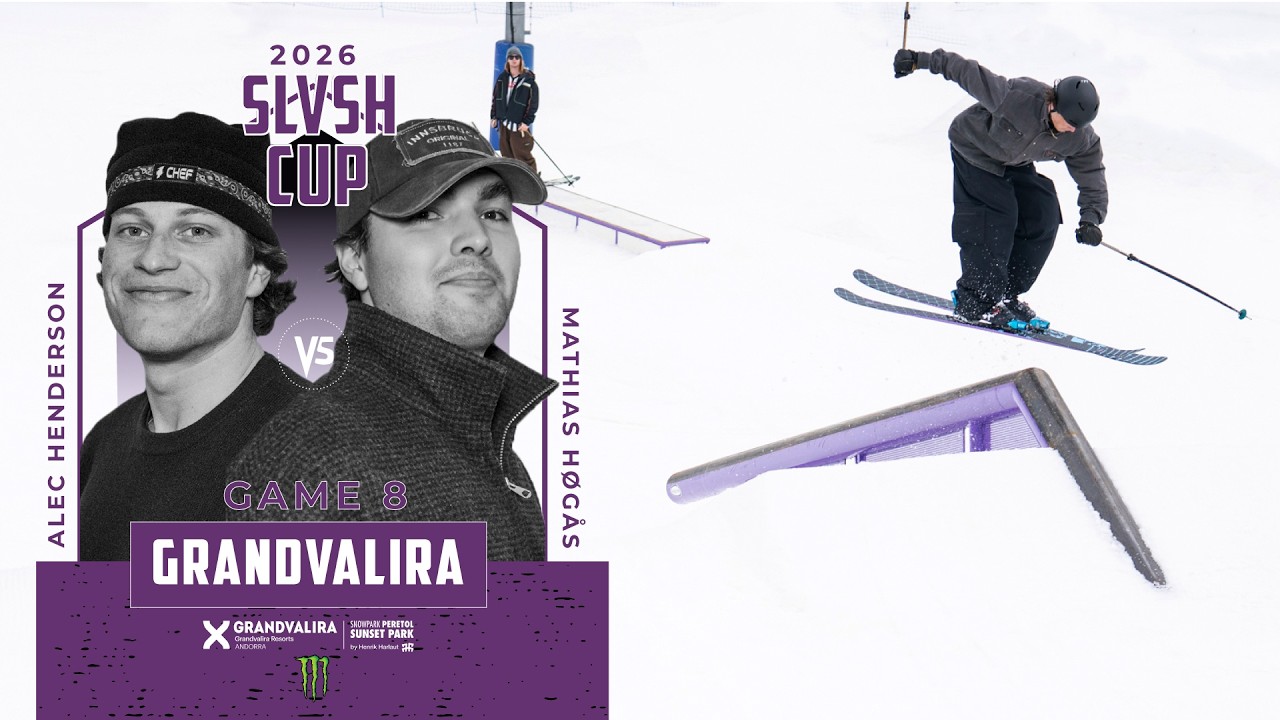
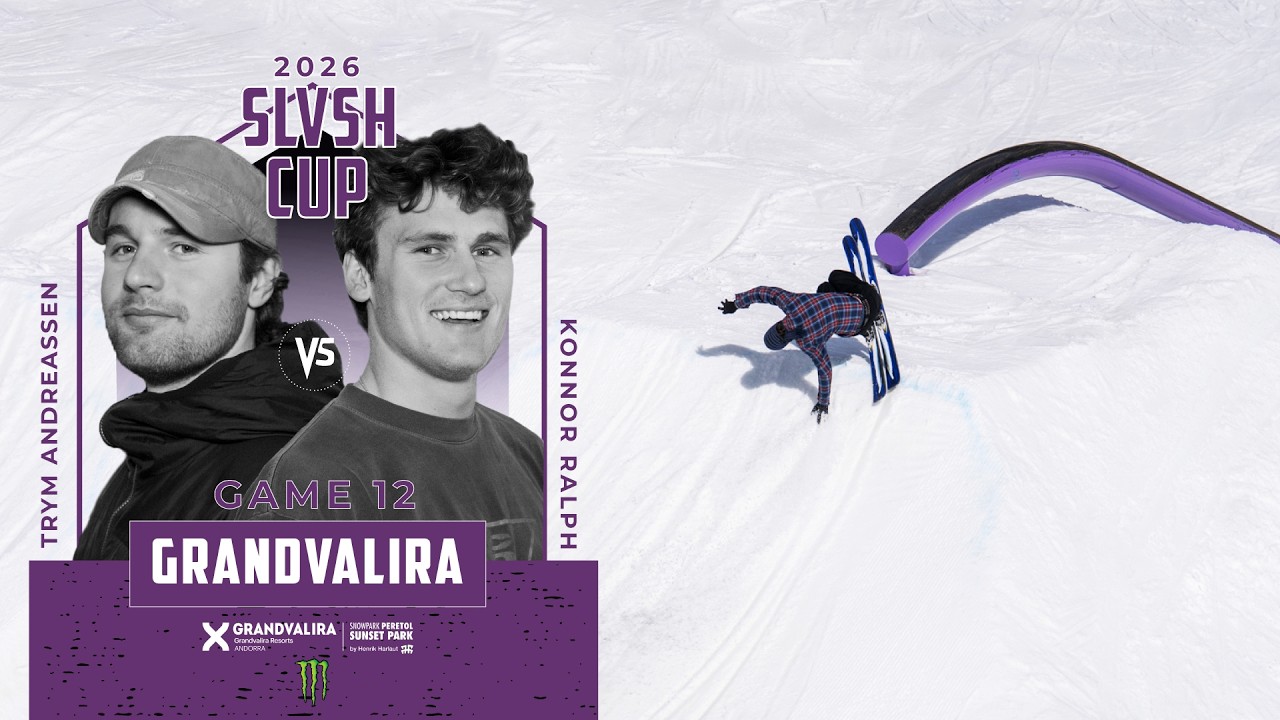
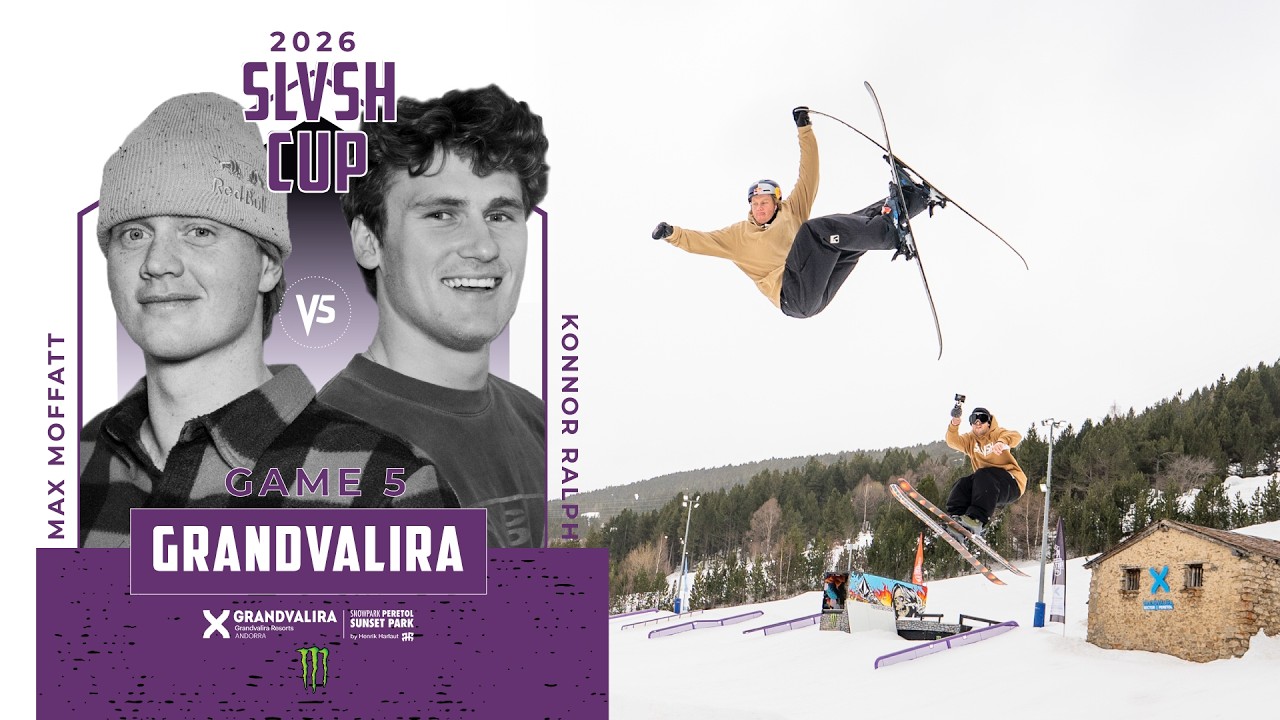
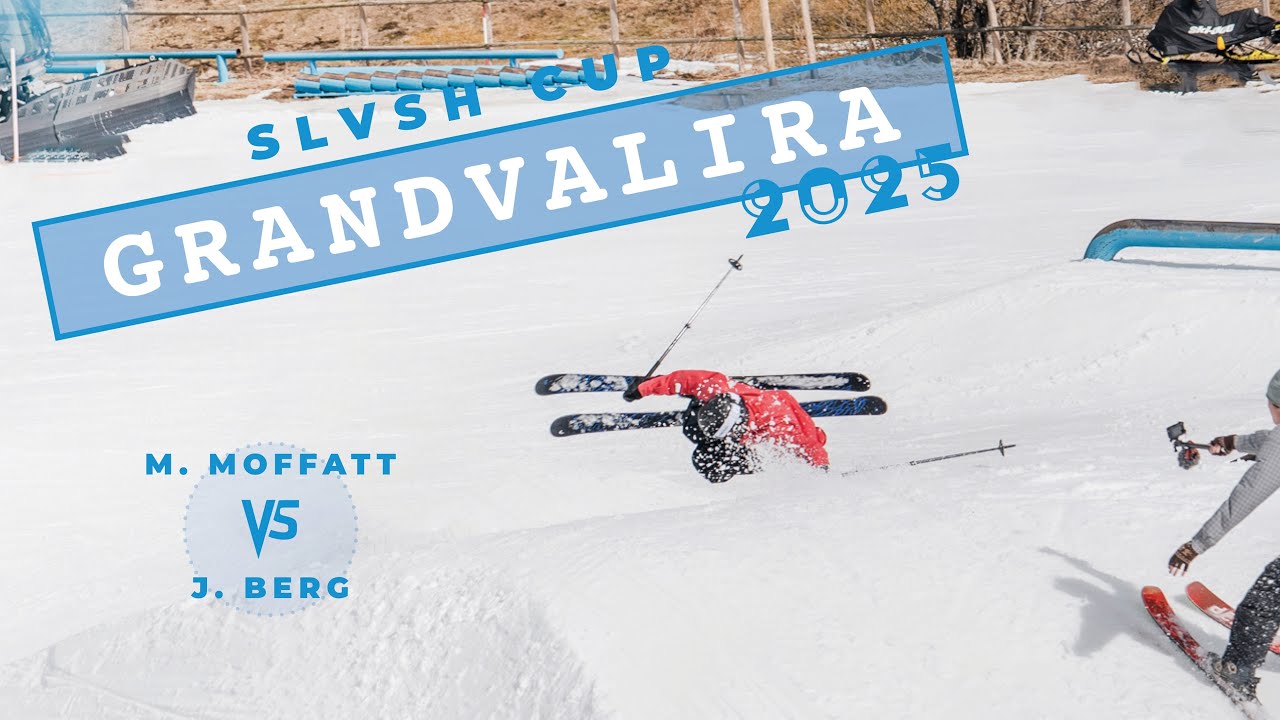
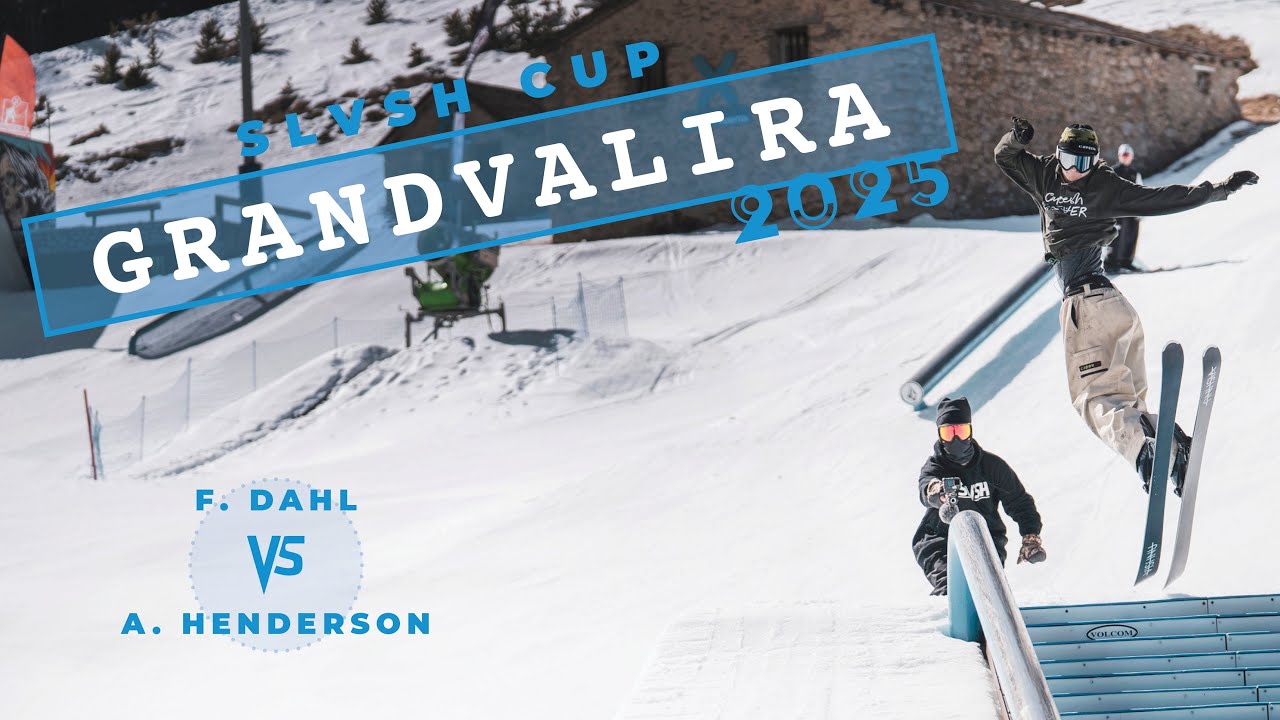
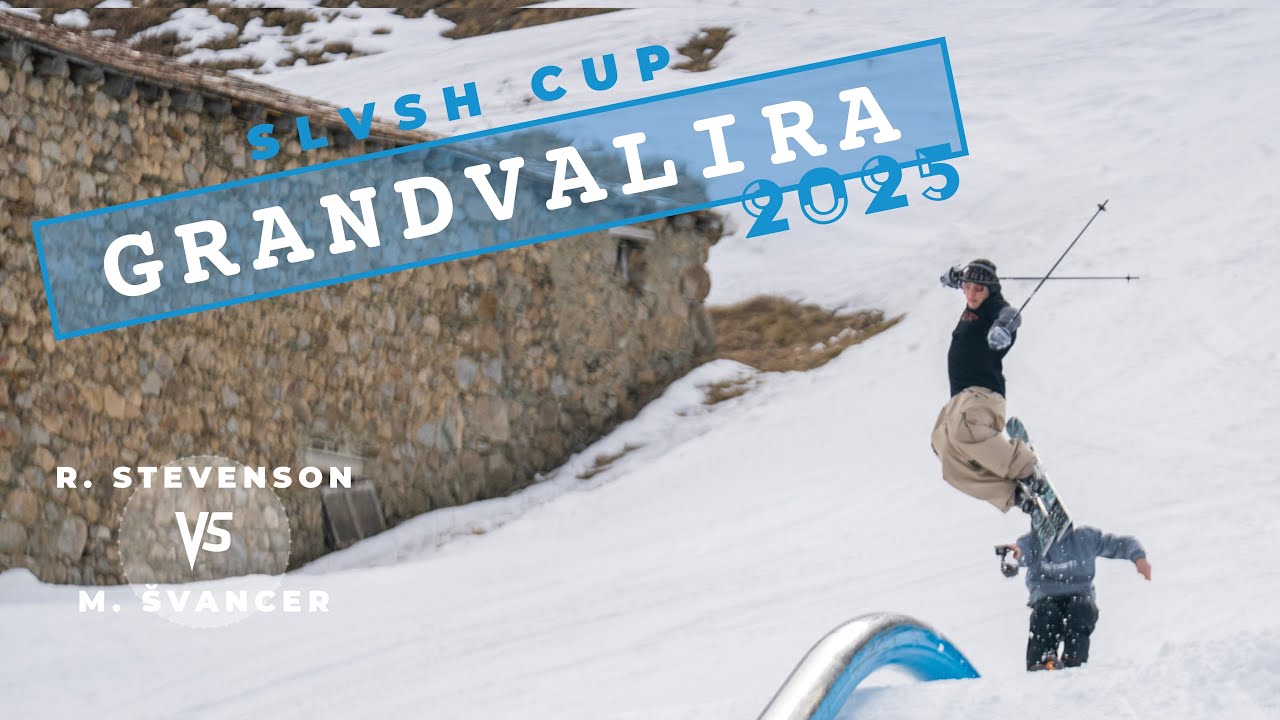
This is where Monster functions differently from a traditional equipment sponsor. A ski brand may build a signature model with an athlete; Monster builds audience around the athlete. When a skier appears in a major edit, wins a Big Air final, drops a street part or enters a SLVSH-style battle, Monster can connect that moment to a larger action-sports network. That network crosses skate, motocross, snowboard, BMX, MMA, gaming, music and racing, which gives freeskiing exposure outside its own core bubble.
Park, pipe, street, backcountry: where Monster shows up
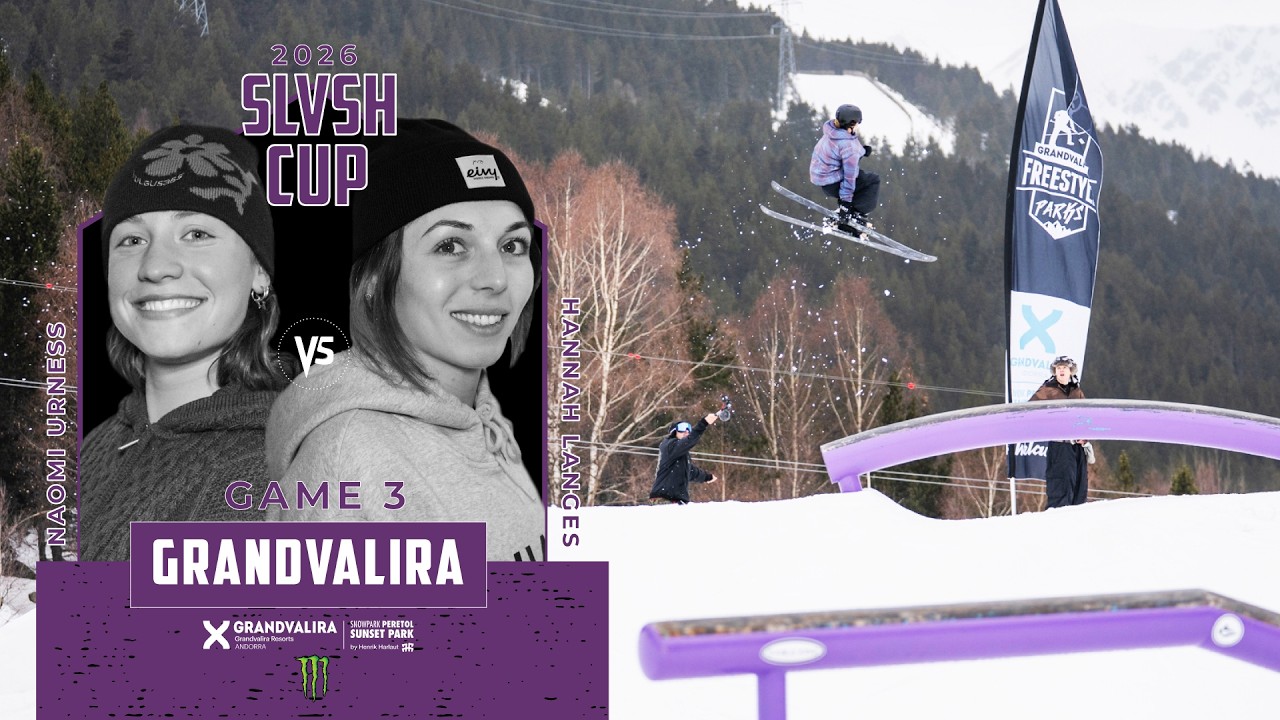
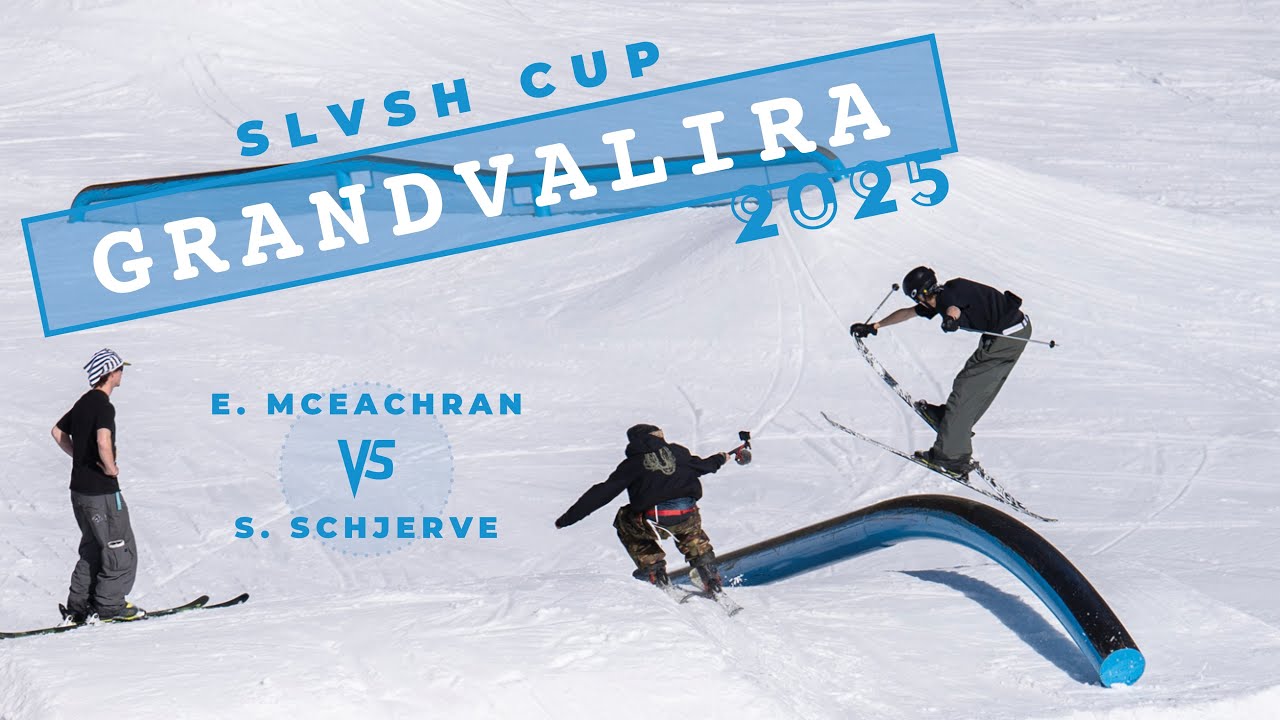
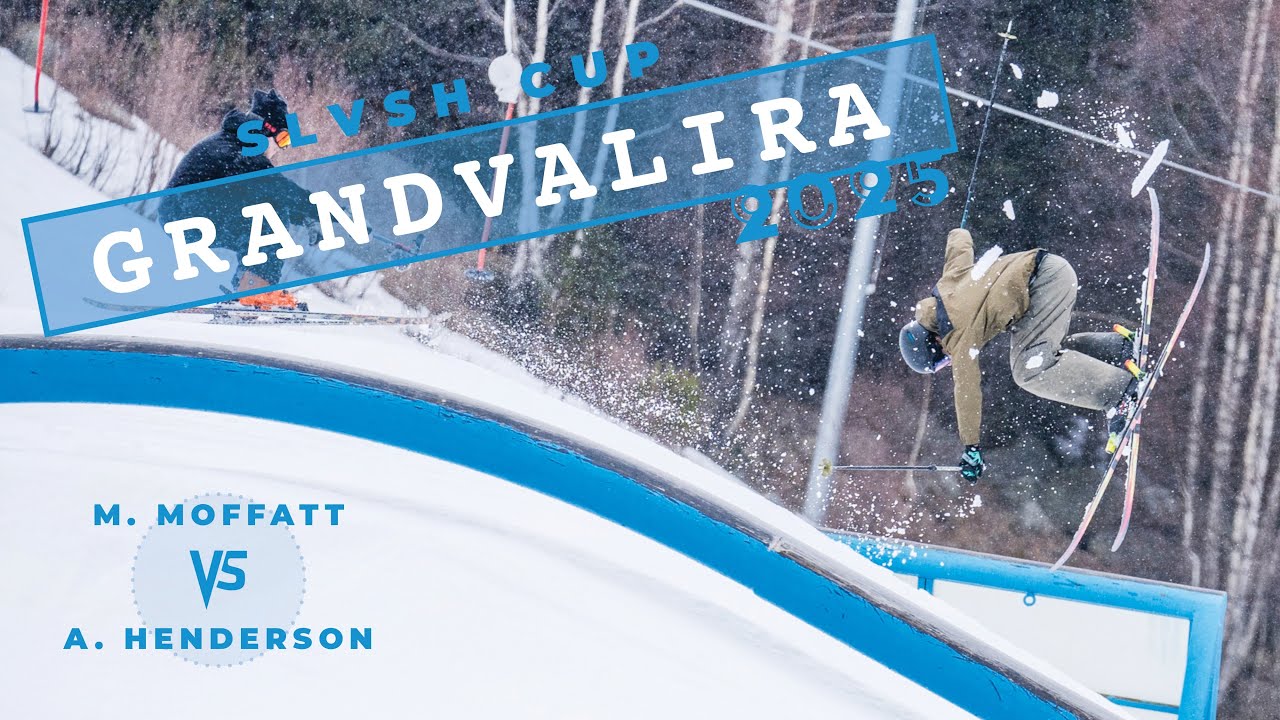
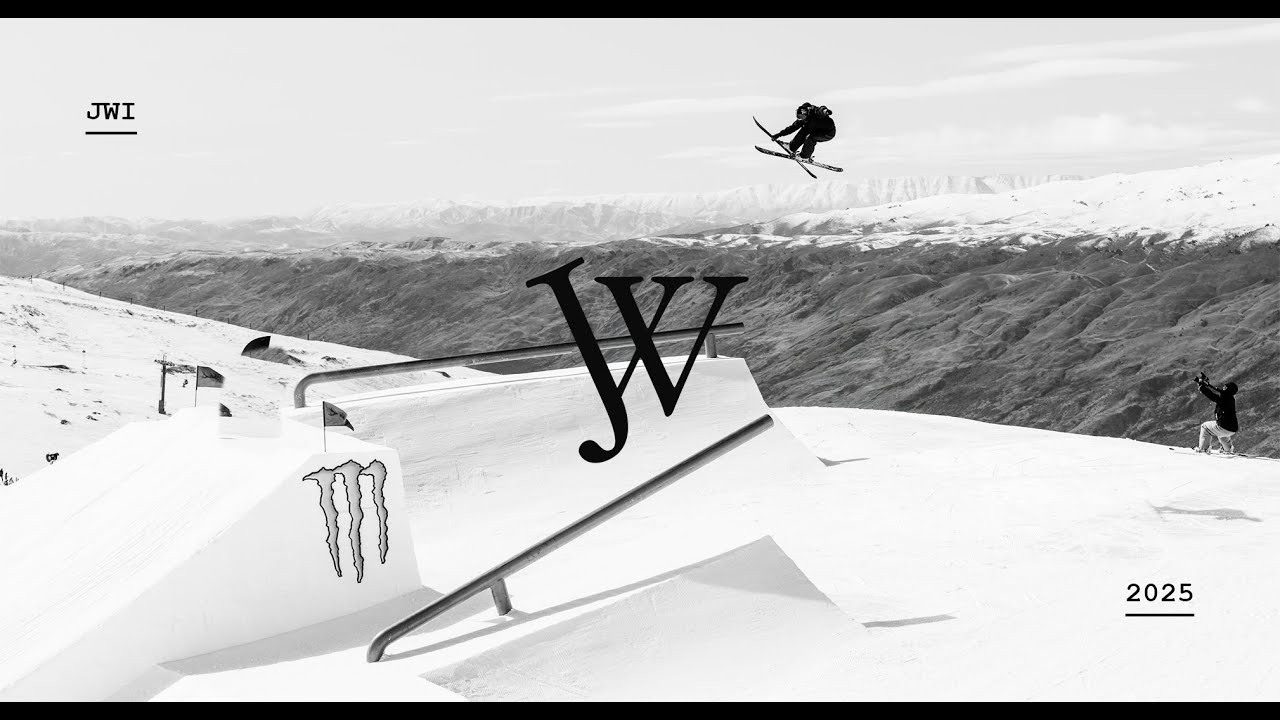
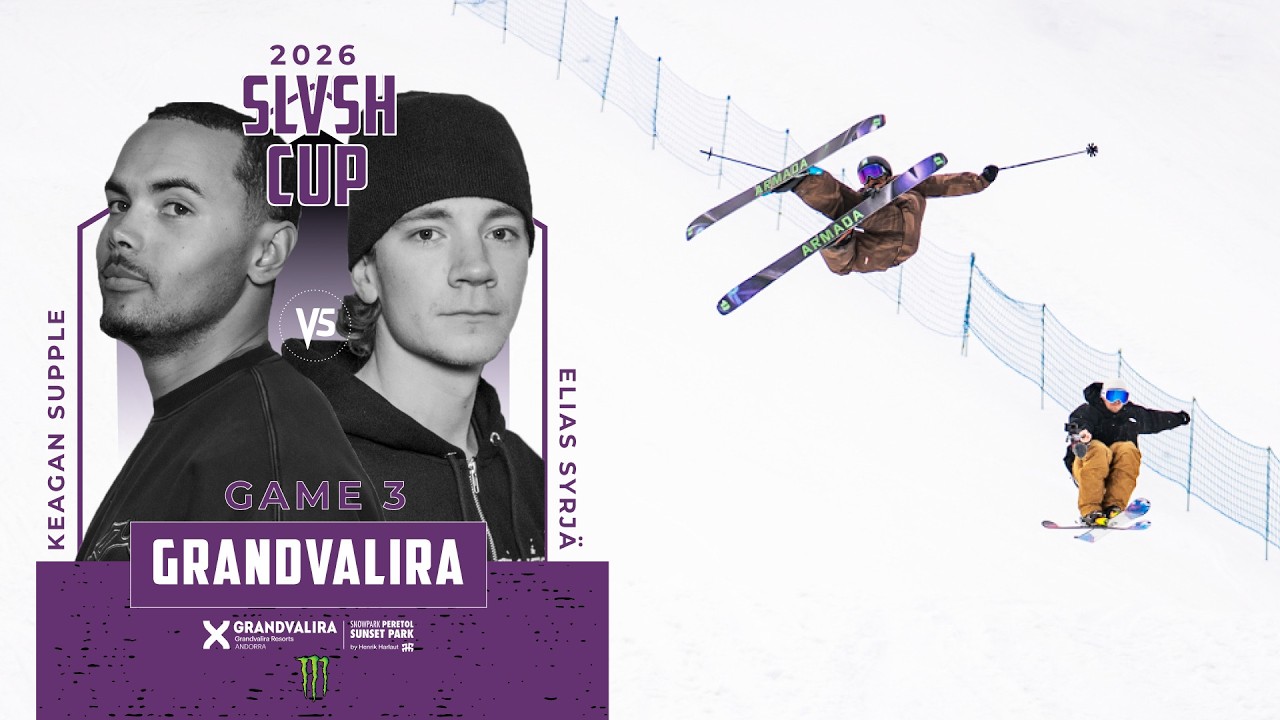
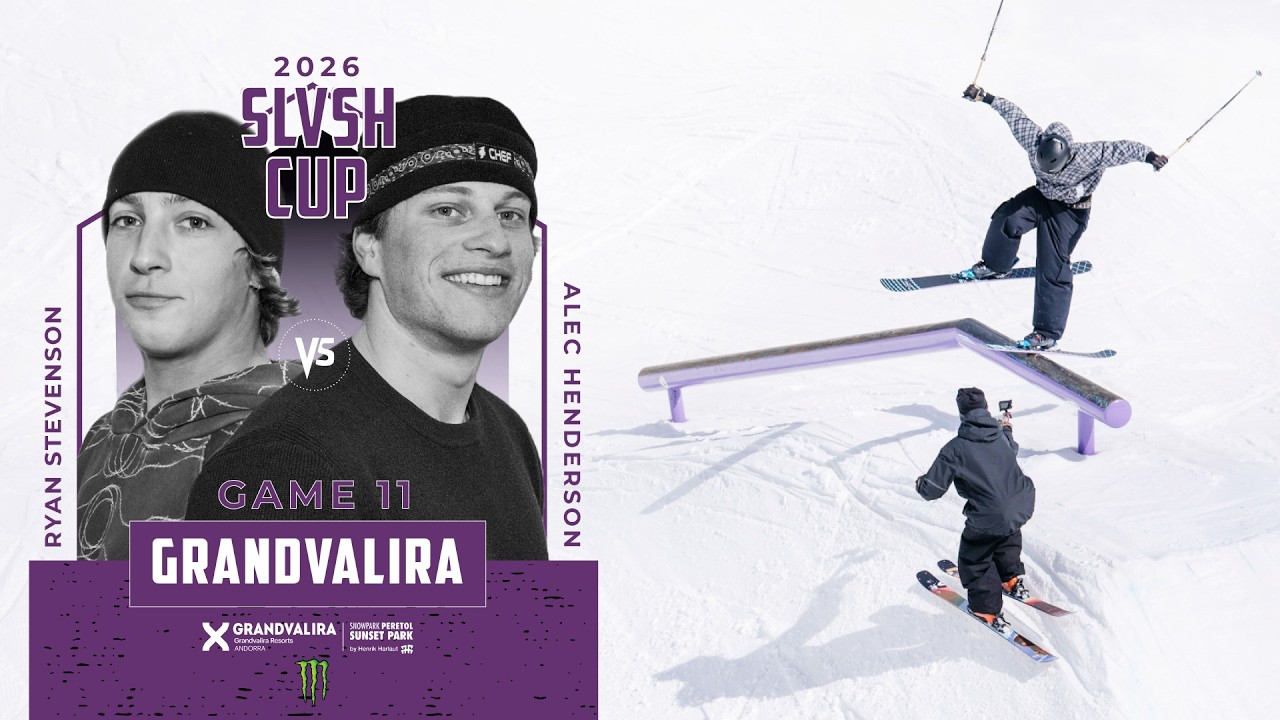
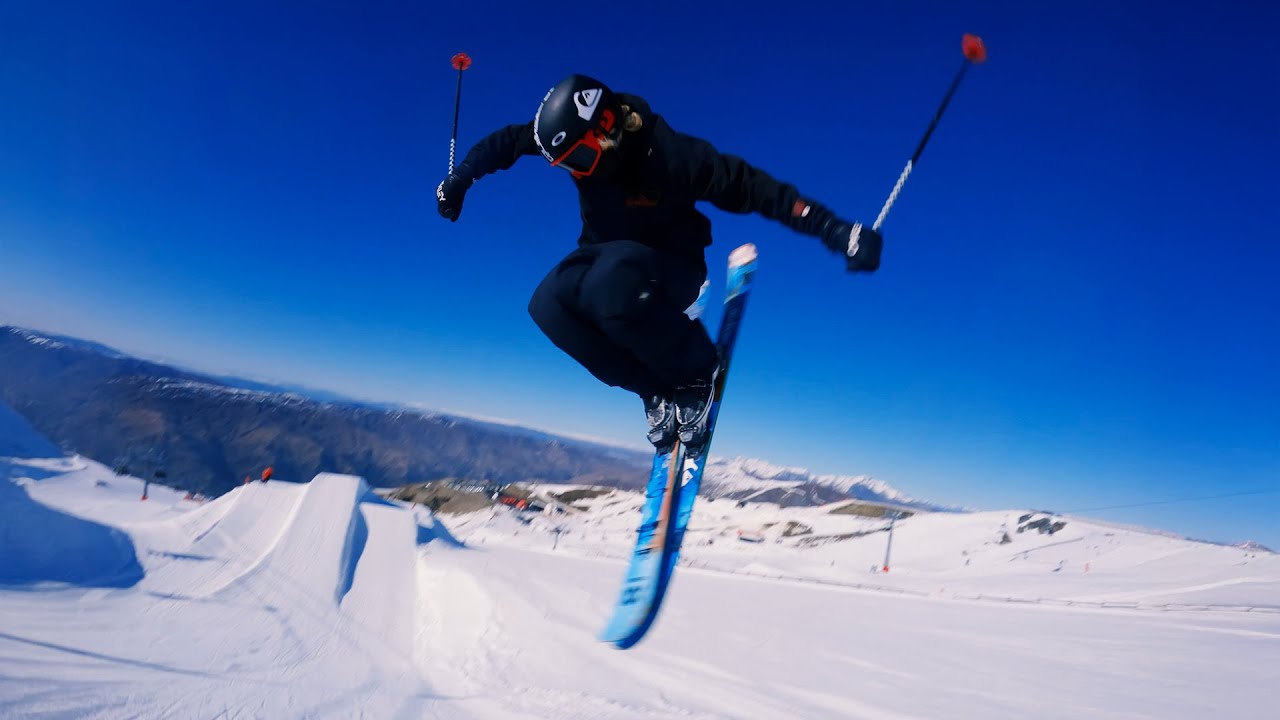
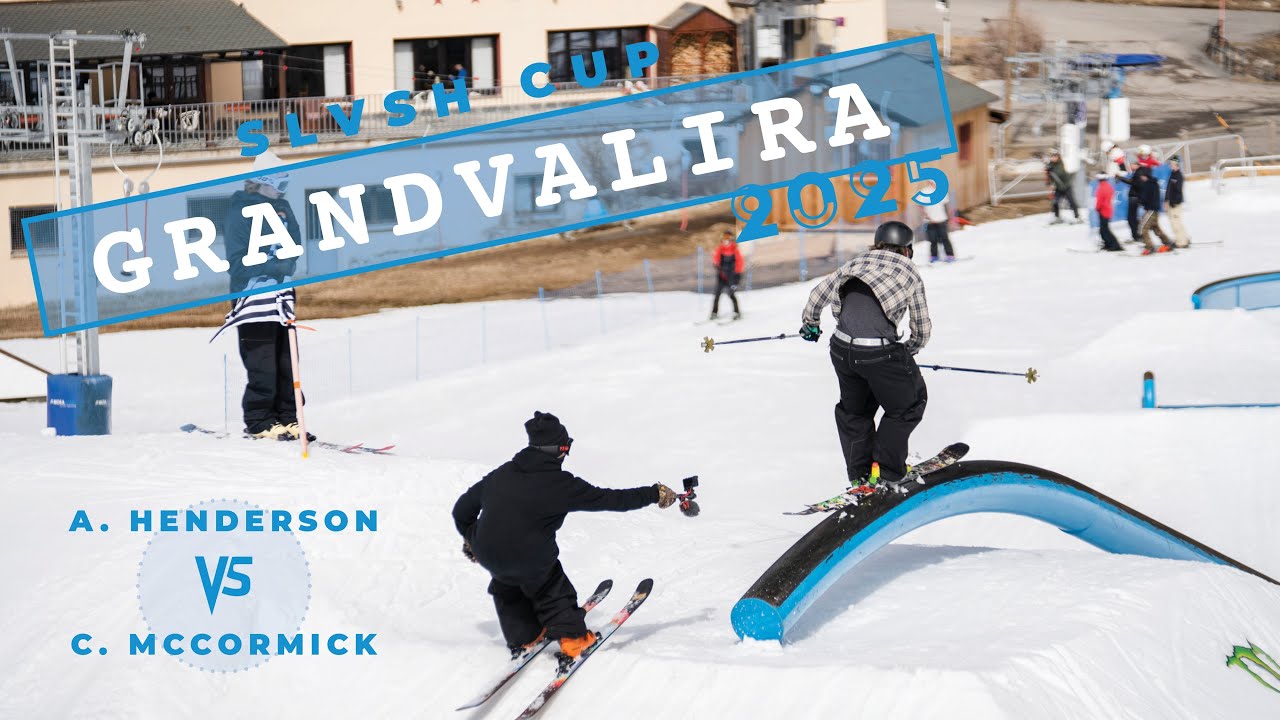
Monster Energy’s ski presence is broad because the brand is less tied to one terrain category than to spectacle and progression. In park and slopestyle, Monster fits the high-visibility world of contests, jump lines, rail sections and technical trick development. In halfpipe, the brand’s athlete roster connects to amplitude, rotation, execution and podium pressure. In street skiing, Monster’s connection is cultural: riders need support to travel, film, scout spots and take repeated attempts on features that may only work for a short weather window.
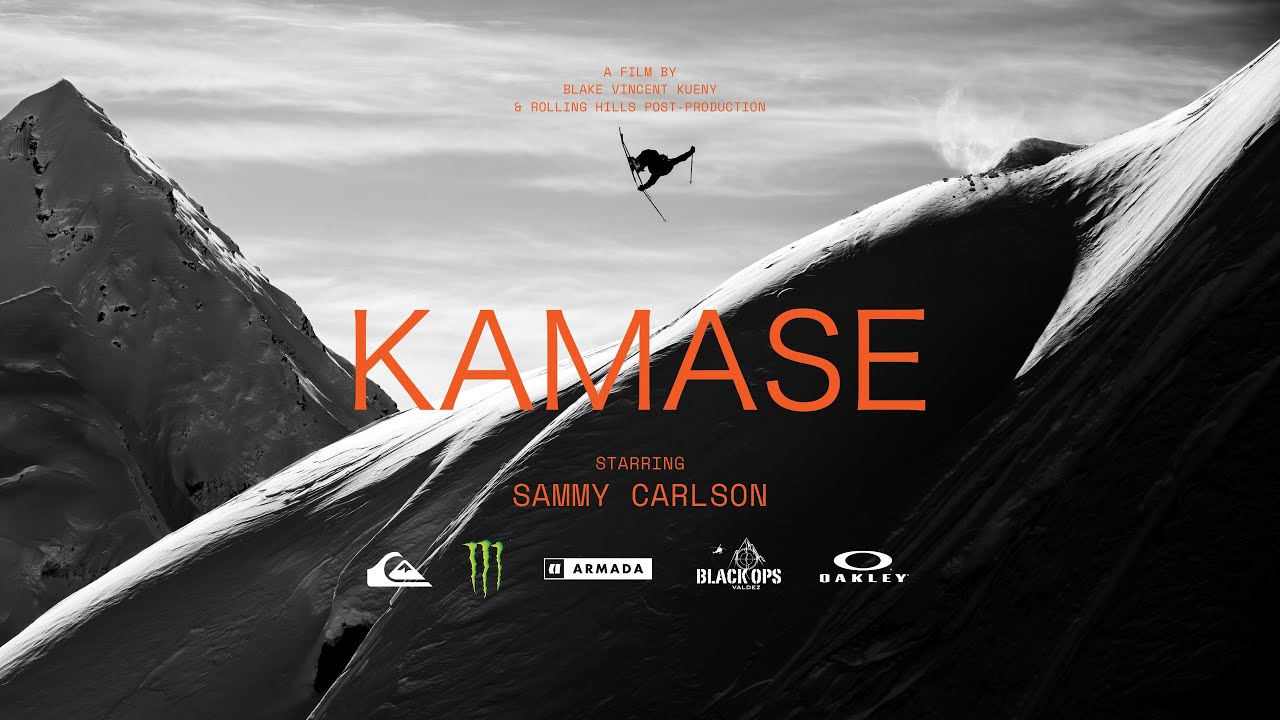
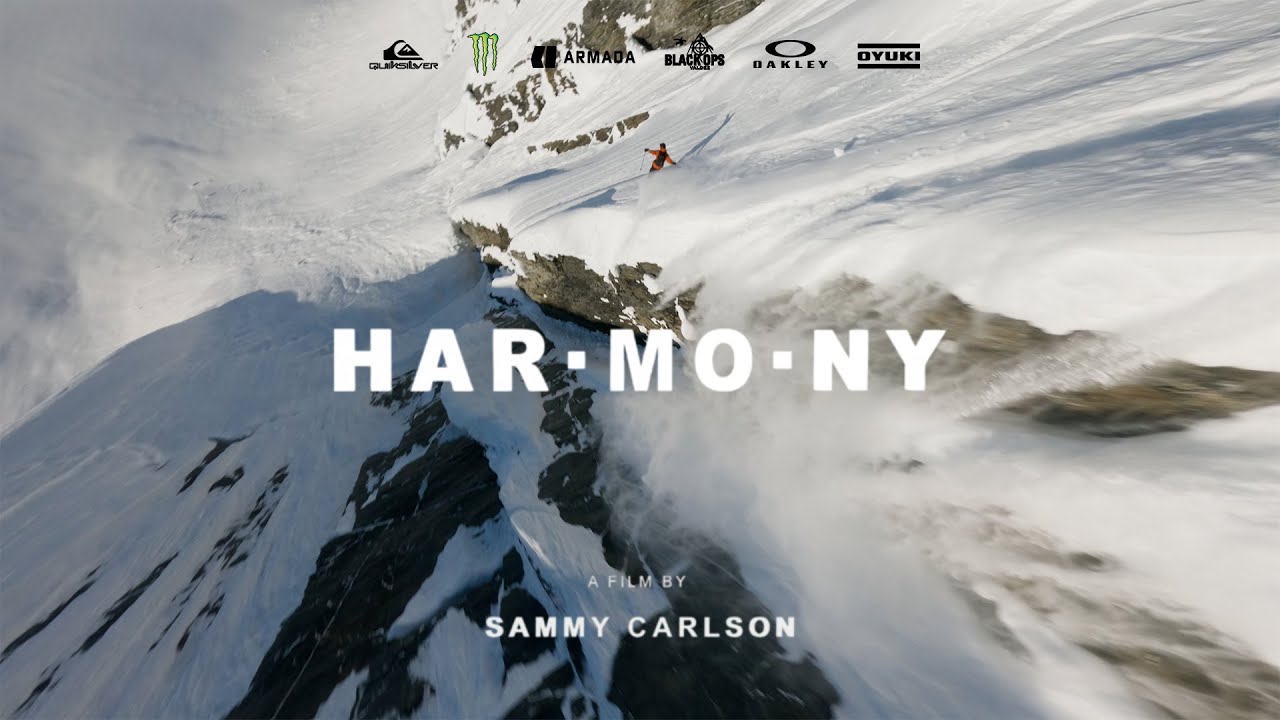
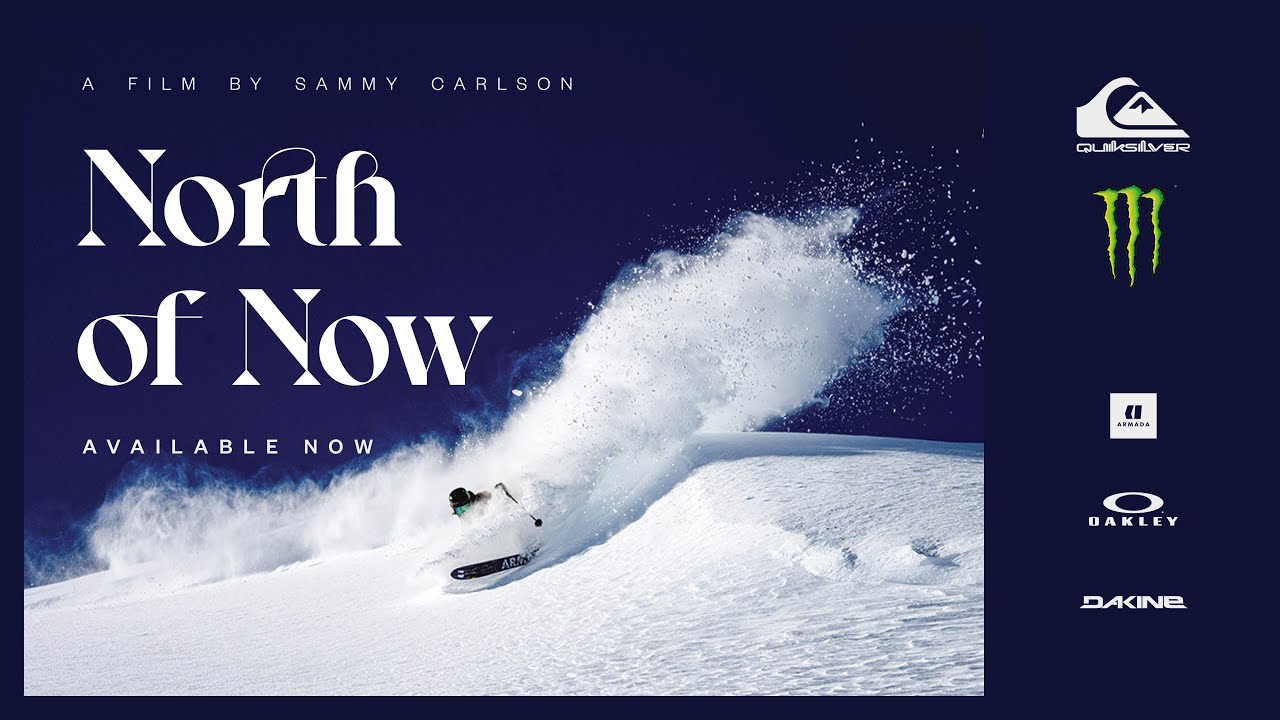
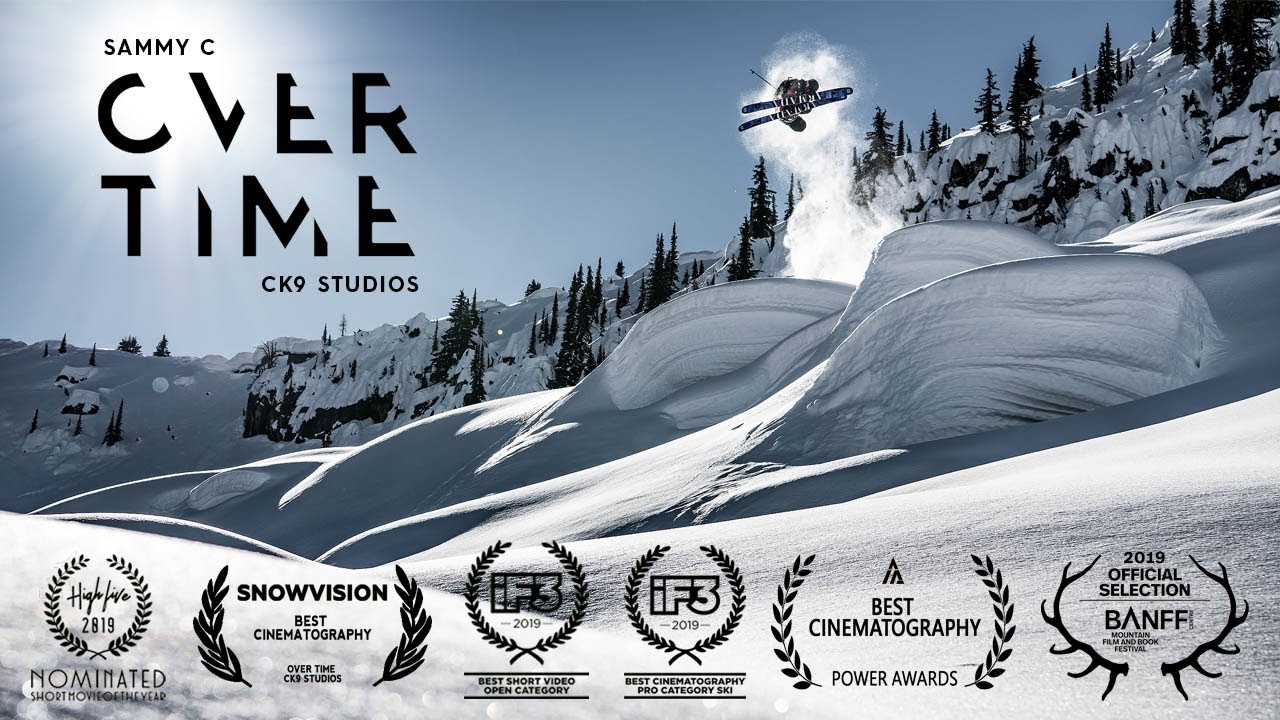
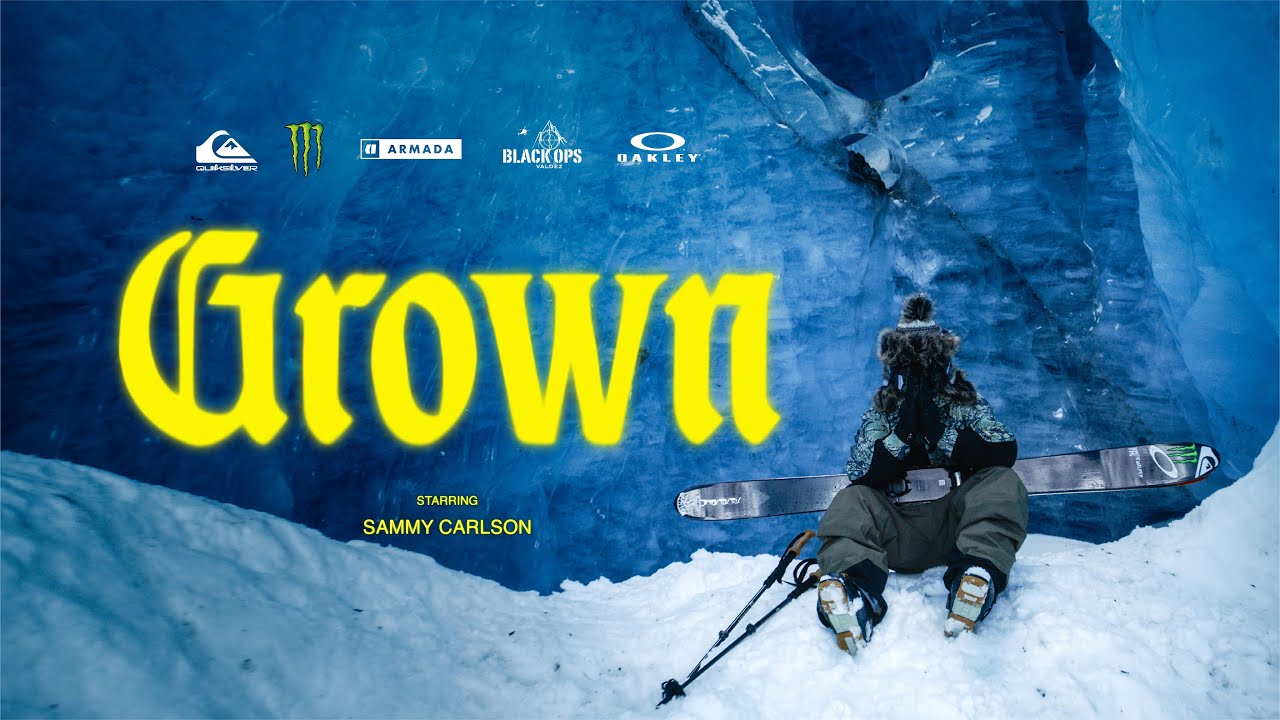
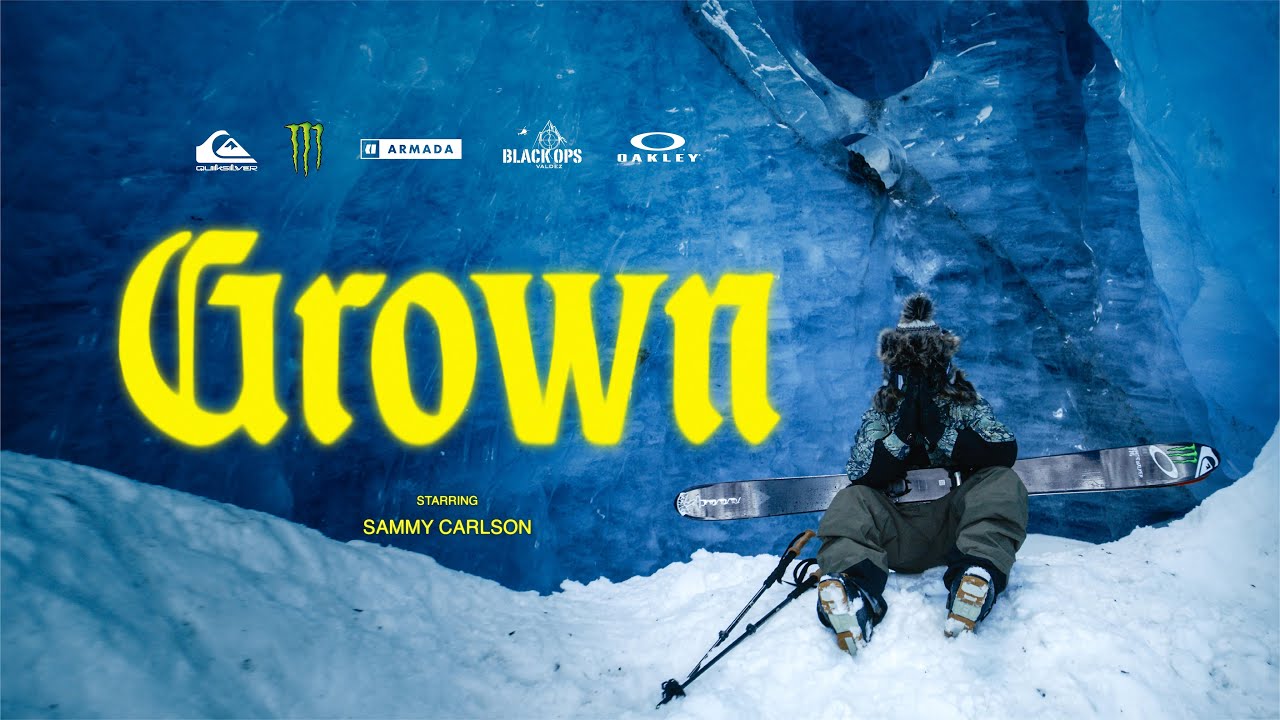
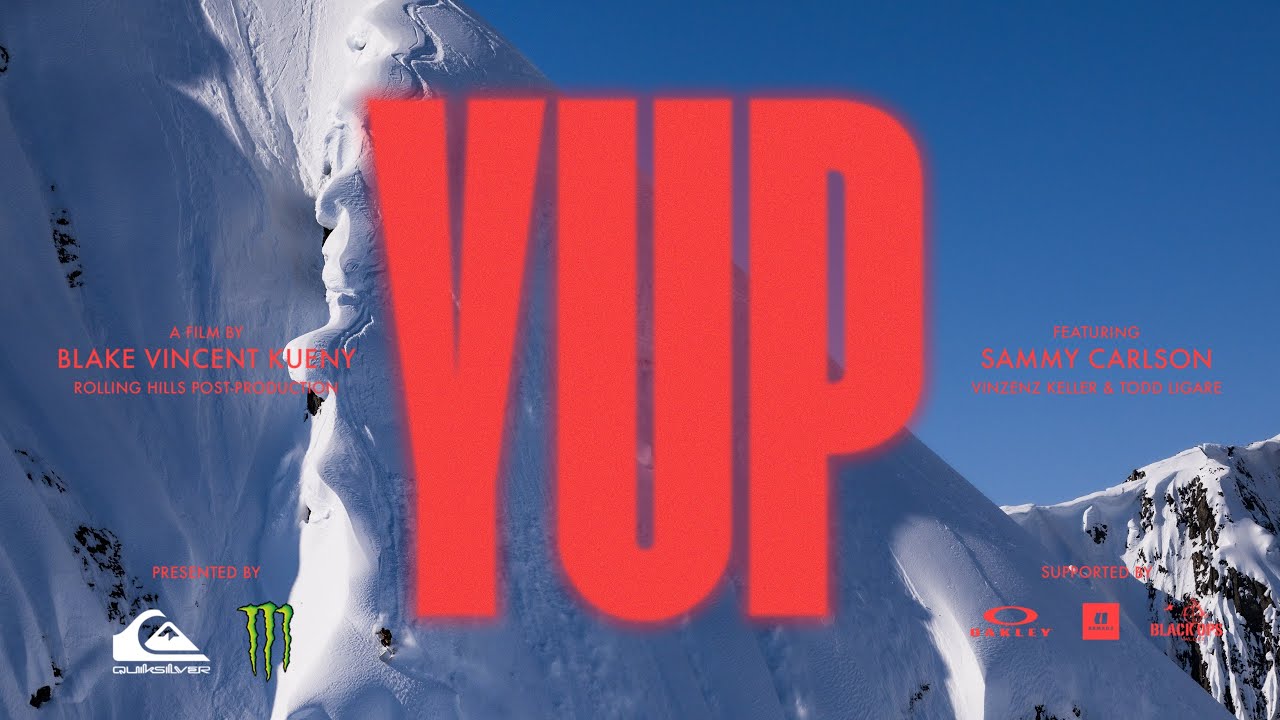
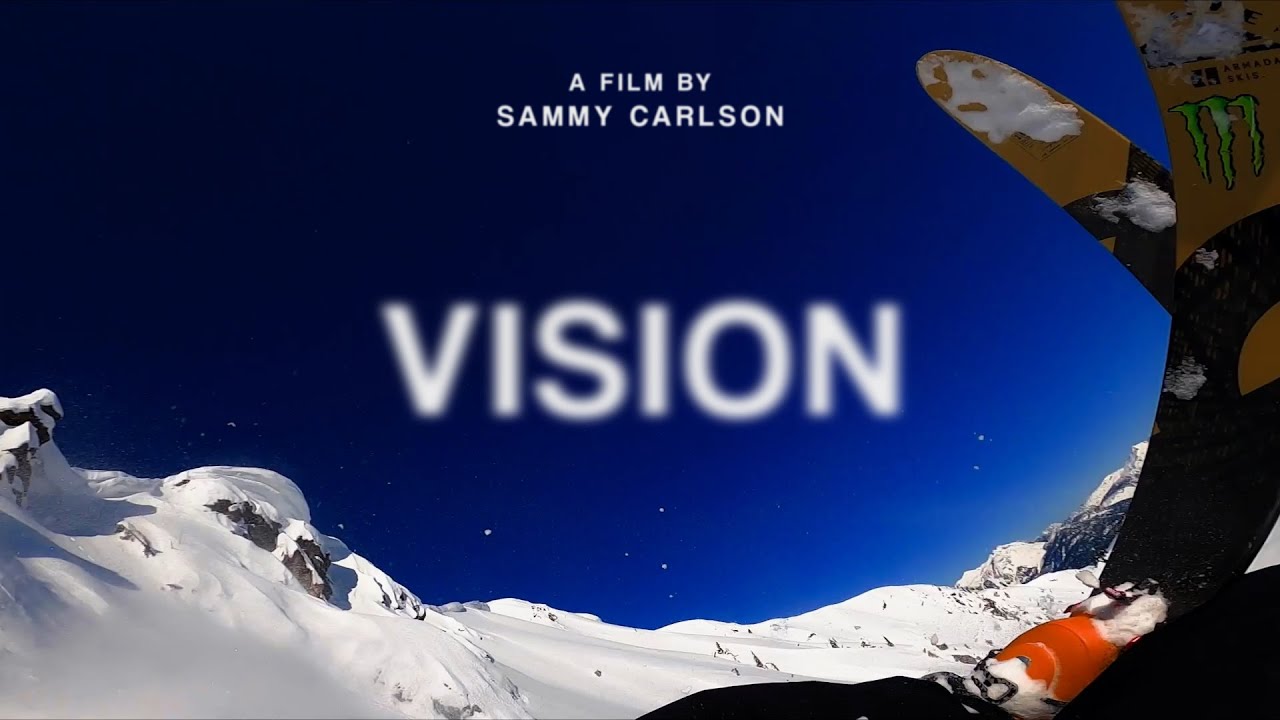
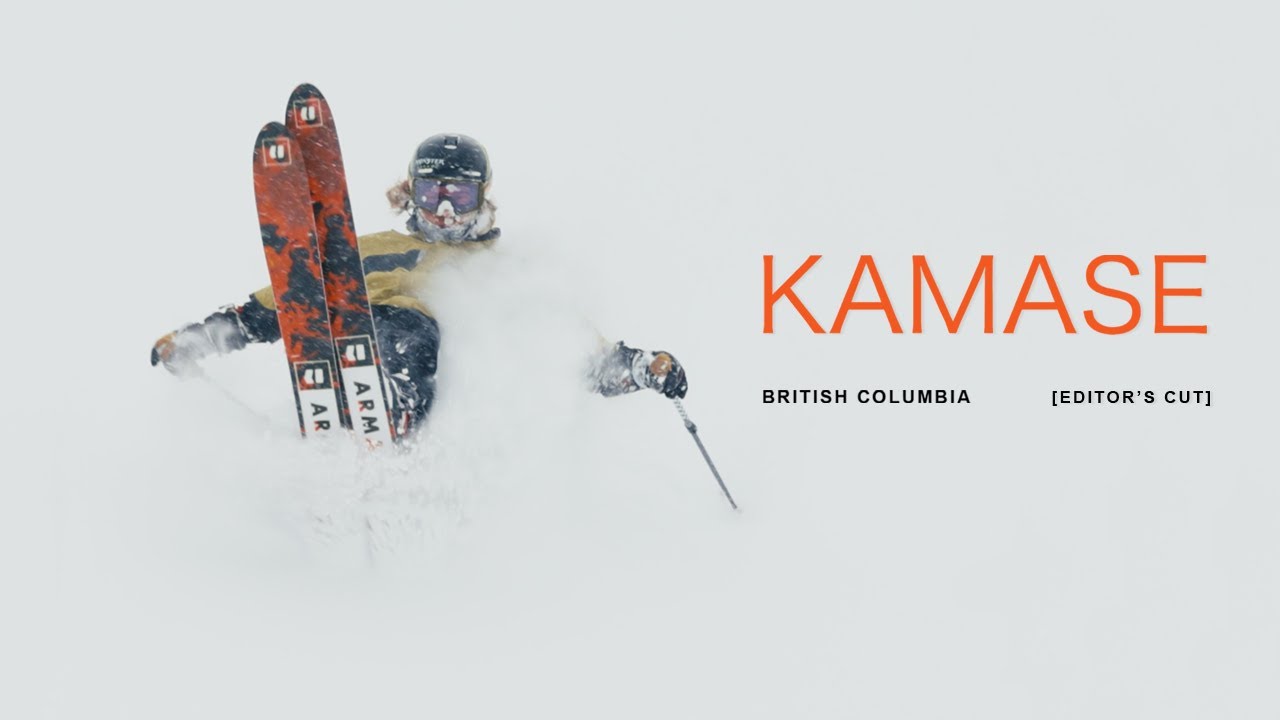
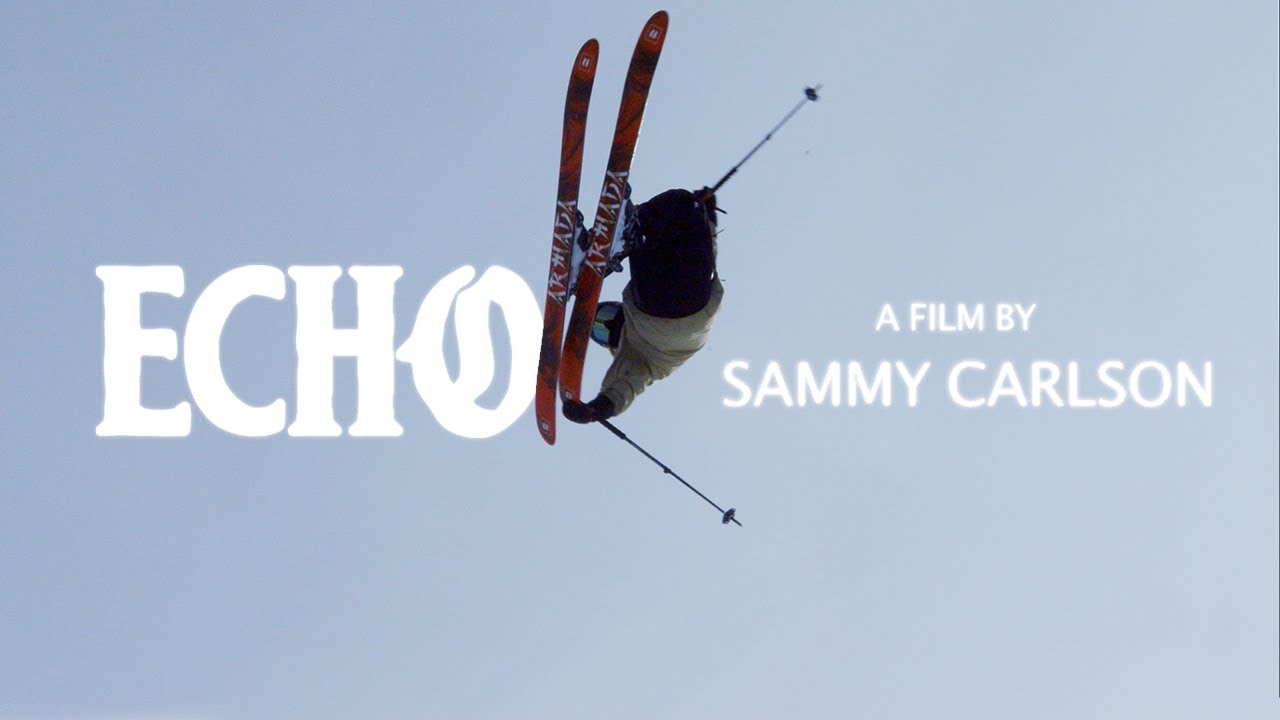
Backcountry and freeride give Monster another identity. Skiers like Sammy Carlson made the transition from contest-based freestyle into film-driven mountain projects, where style, terrain choice and production quality matter more than judged points. Monster’s value in that space is not just logo placement. It helps make long-form ski stories possible, especially when the project needs sled access, film crews, guides, safety layers and extended time in British Columbia, Alaska or other big-terrain zones. Across those categories, Monster works as an amplifier for moments that already feel high-risk, creative and visually strong.
Henrik Harlaut, Phil Casabon and the roster as culture engine
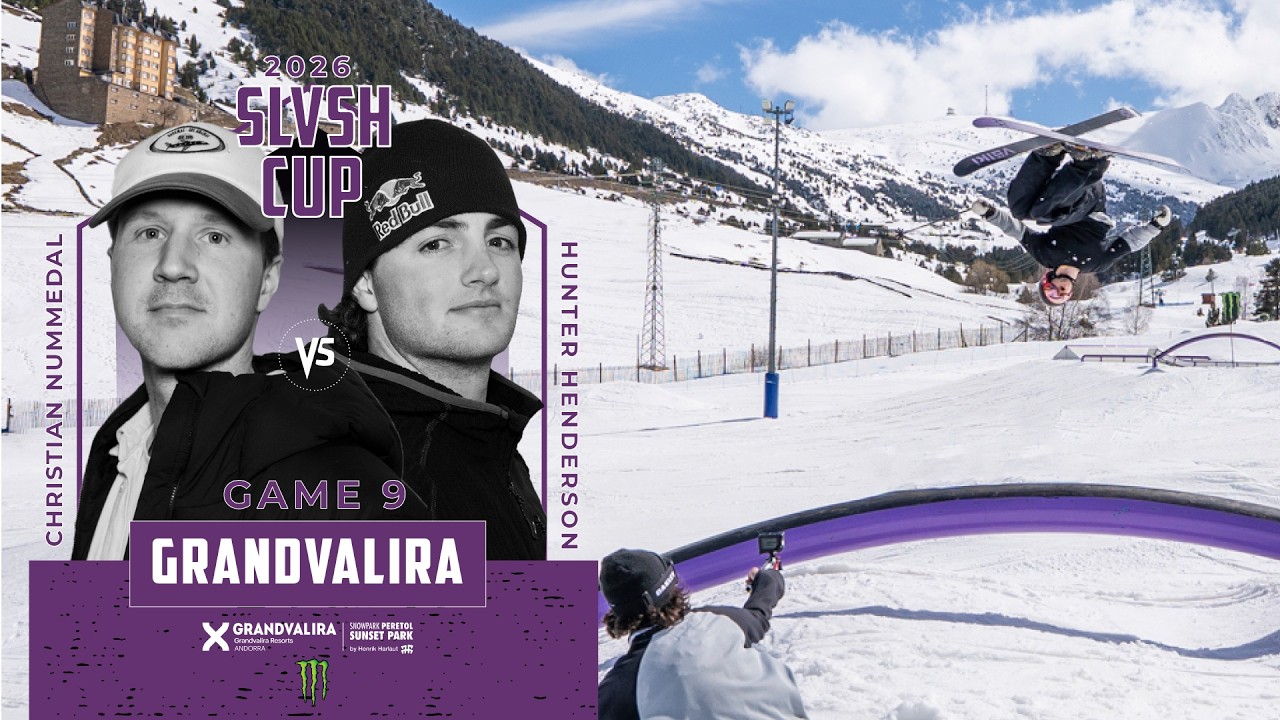
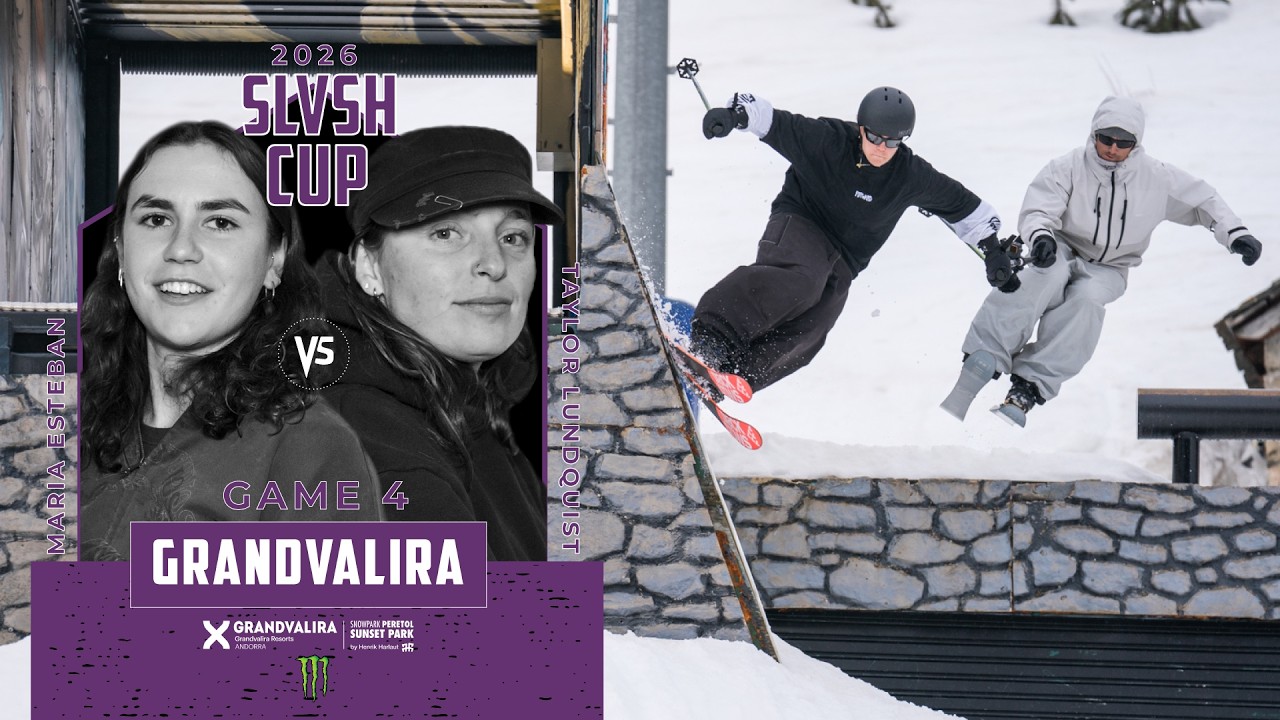
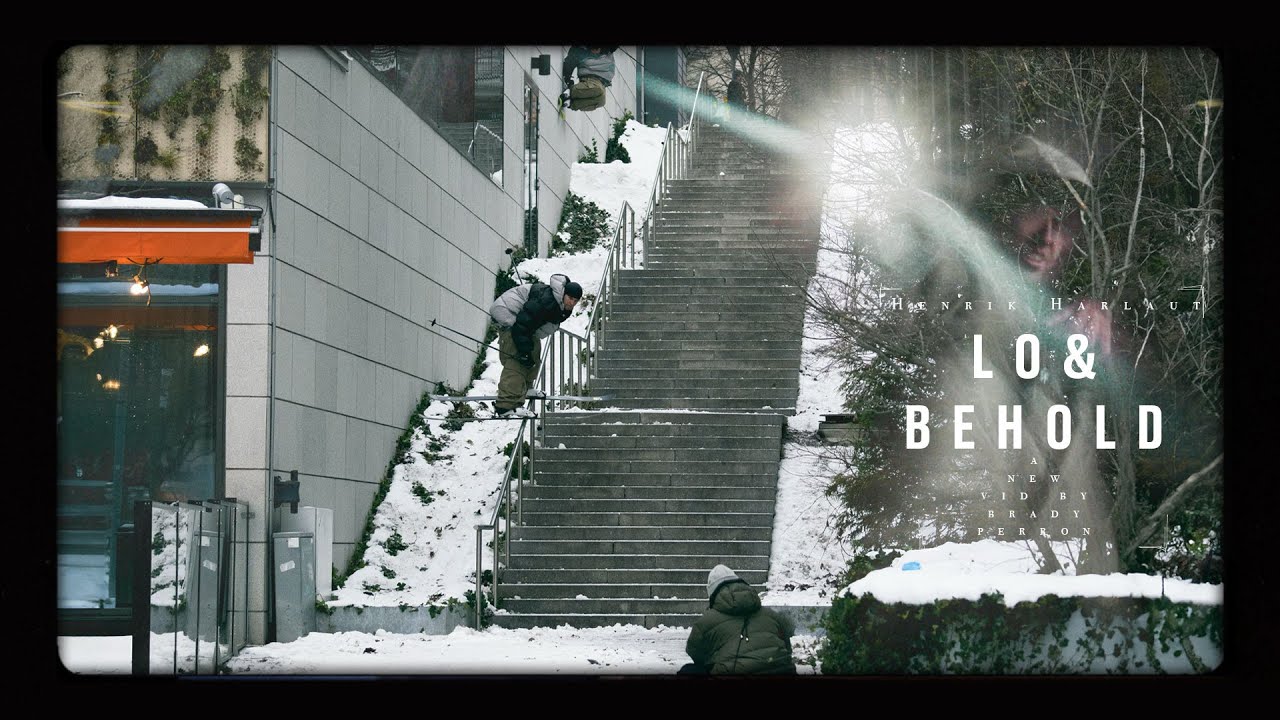
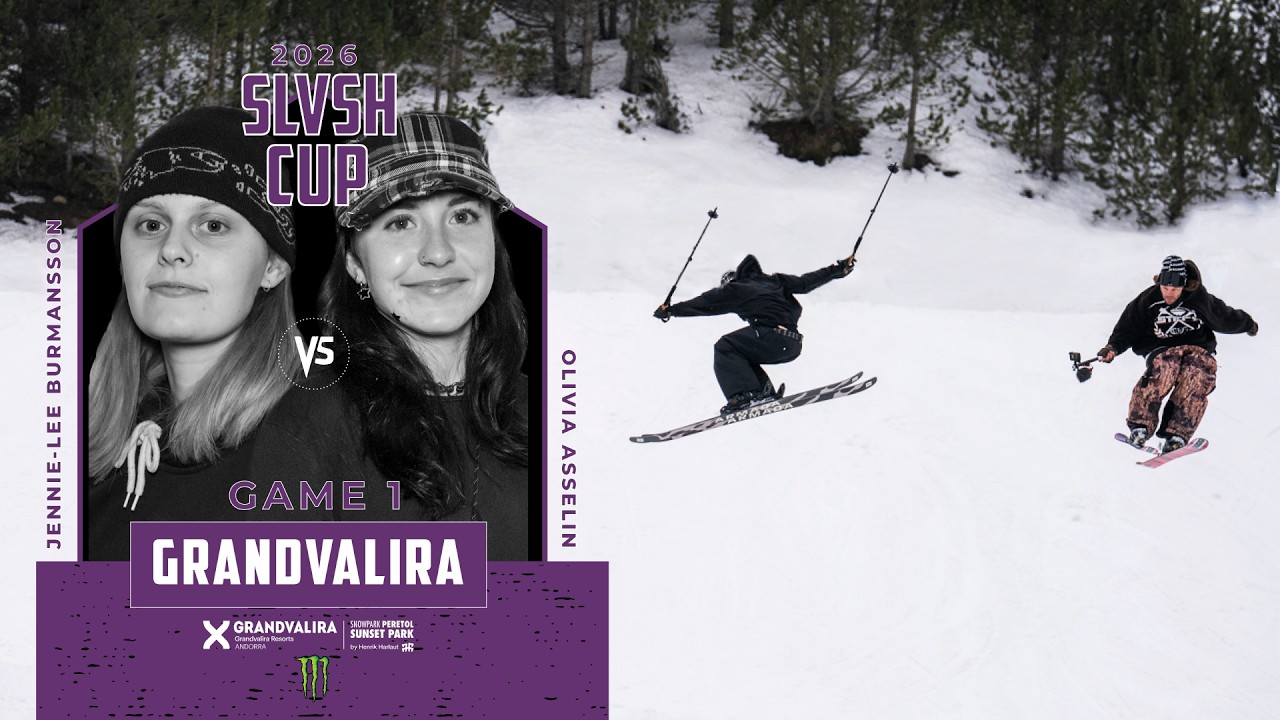
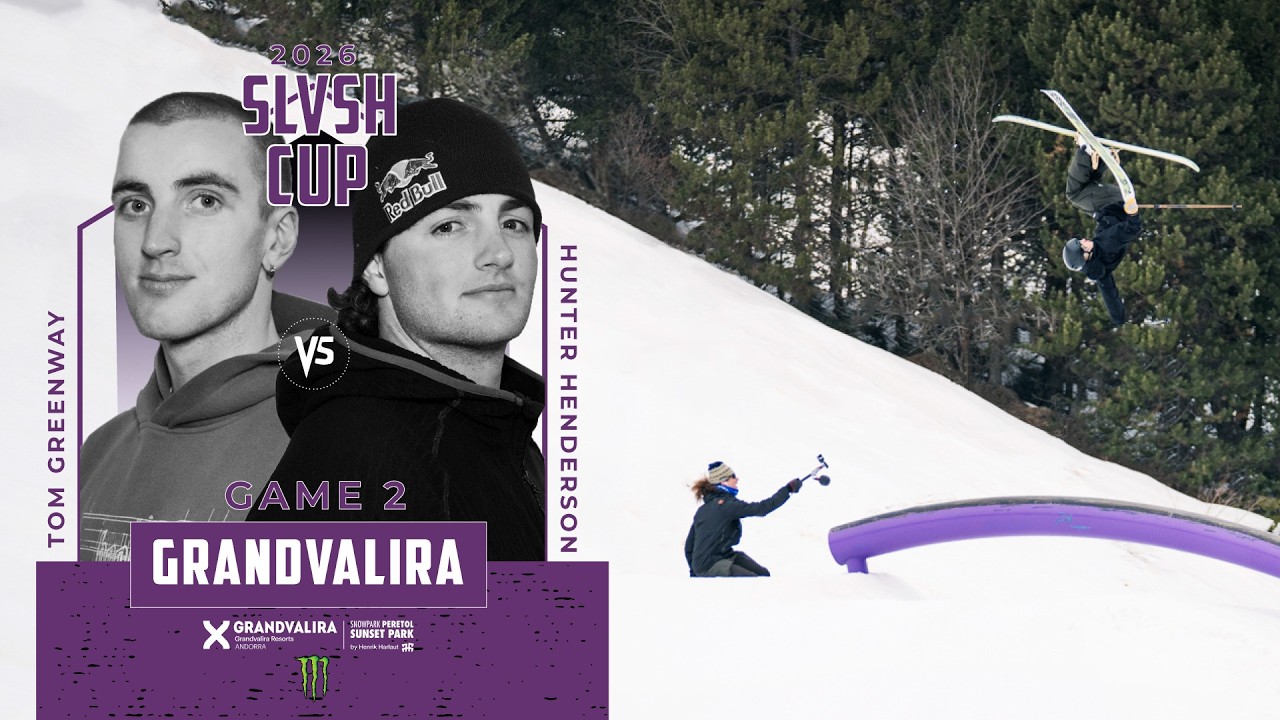
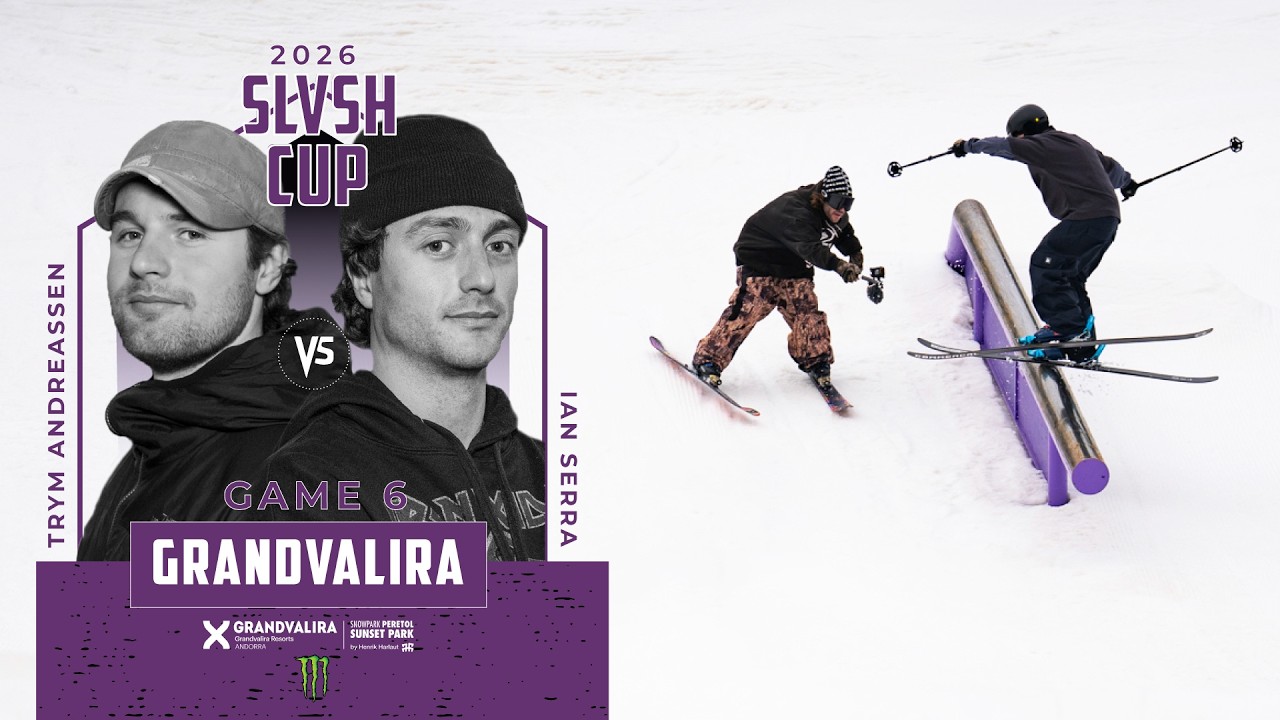
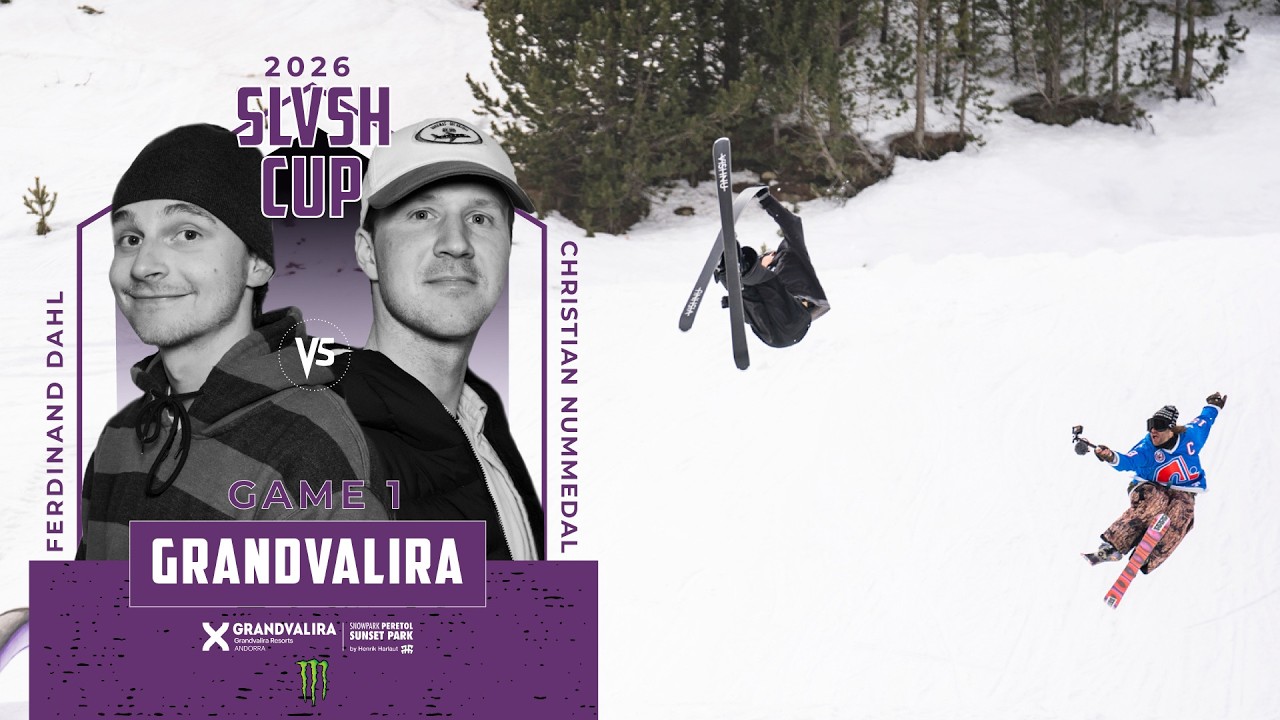
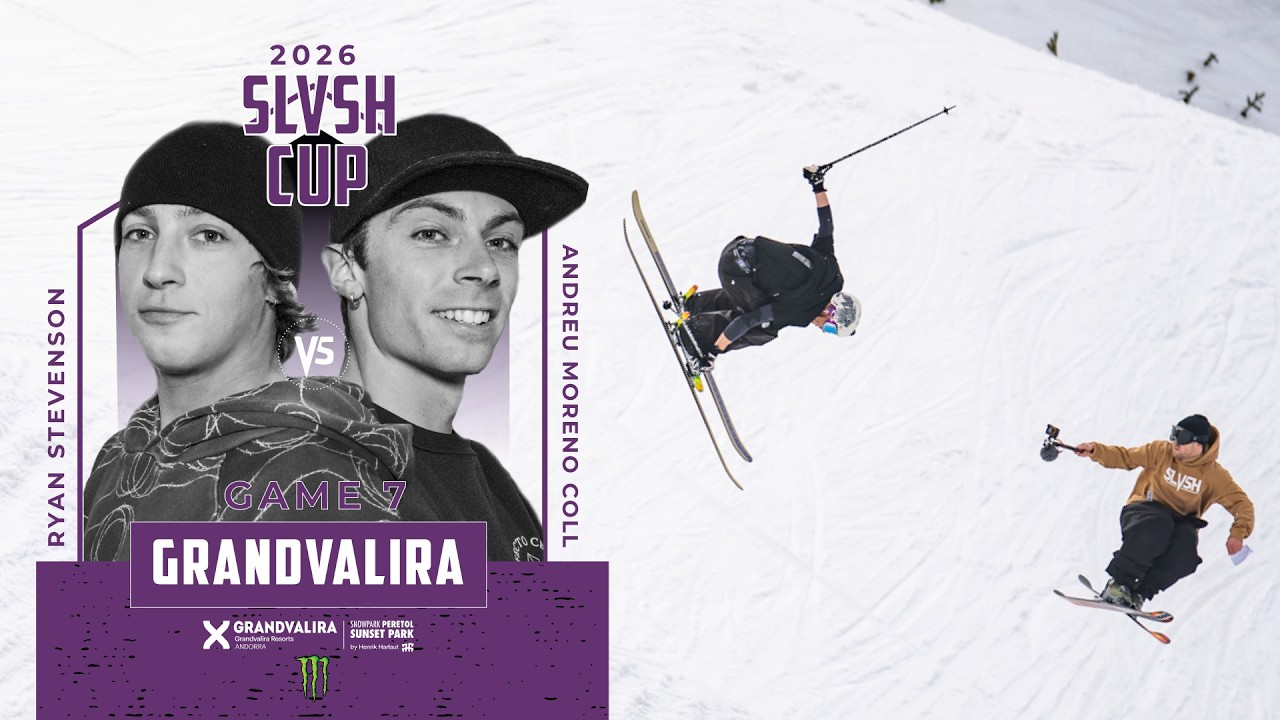
Monster’s freeski credibility depends heavily on its athletes. Henrik Harlaut gives the brand one of the most recognizable style references in modern freeskiing. His Monster profile connects him with X Games, Sunset Park Peretol in Andorra, filmmaking and a long relationship with the brand dating back to 2010. Harlaut’s value is not only his contest record. It is the way he helped make skiing feel looser, more musical, more personal and more connected to fashion, edits and crew culture.
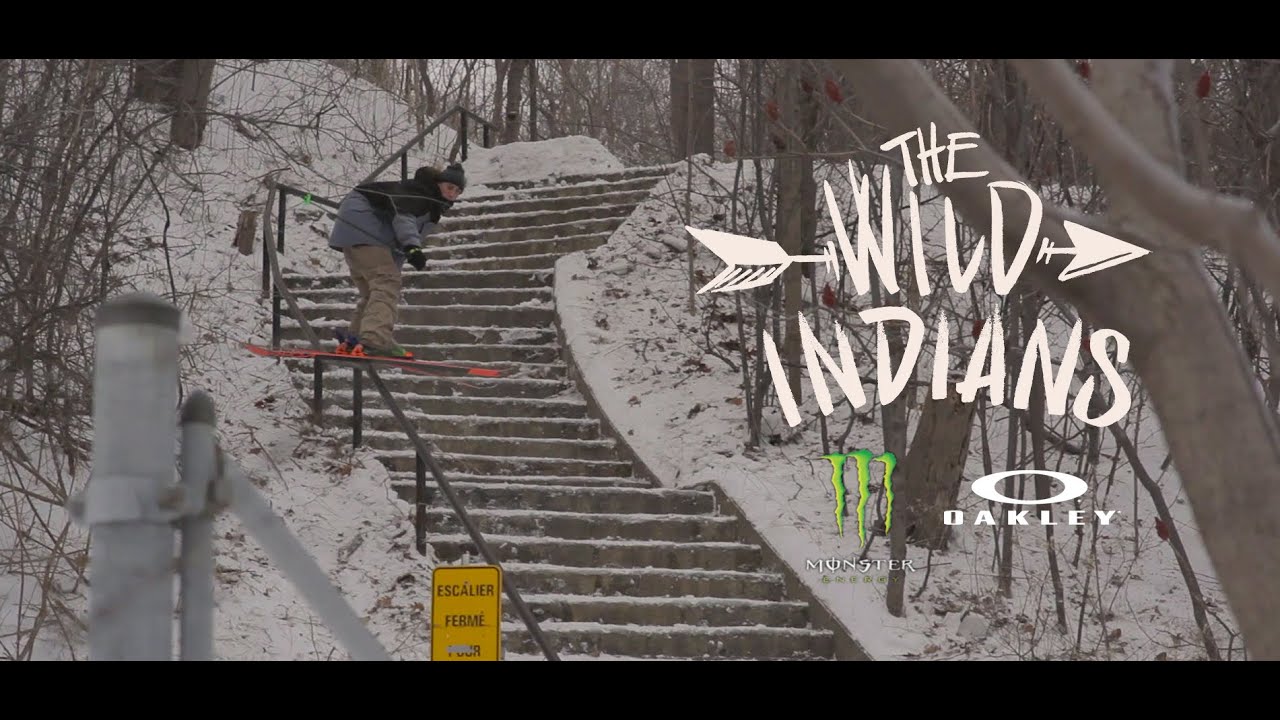
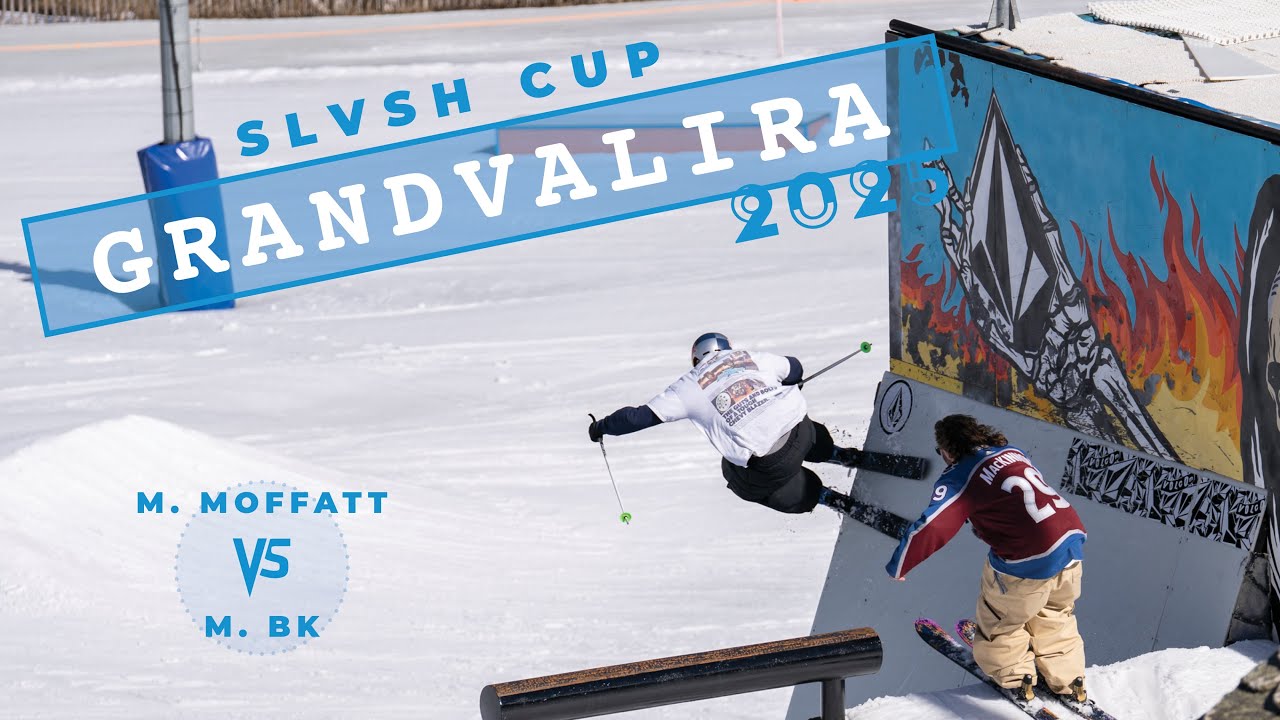
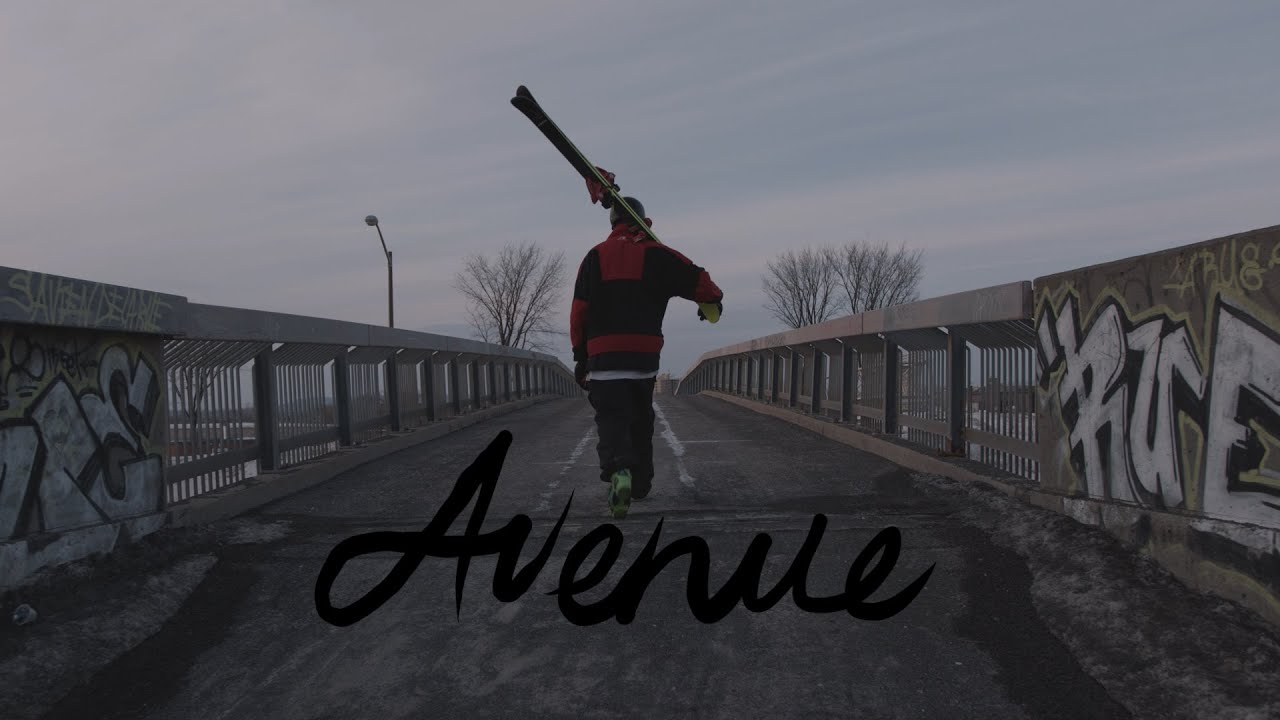
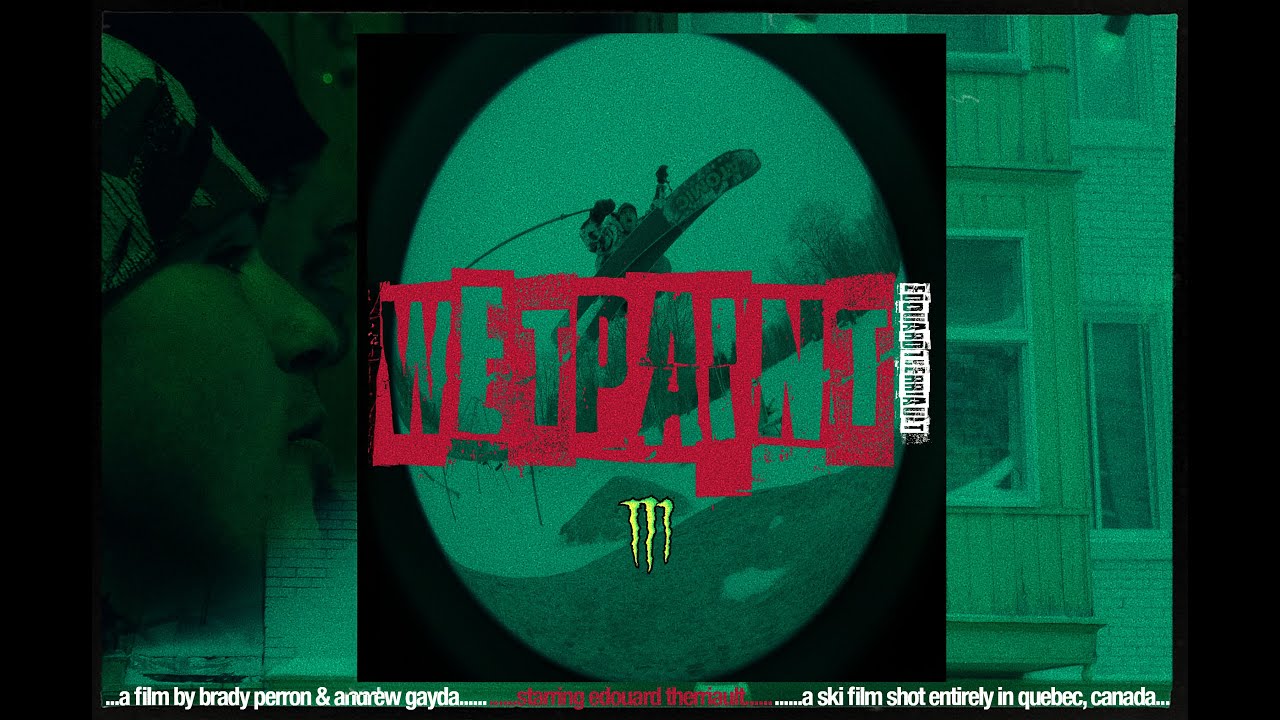
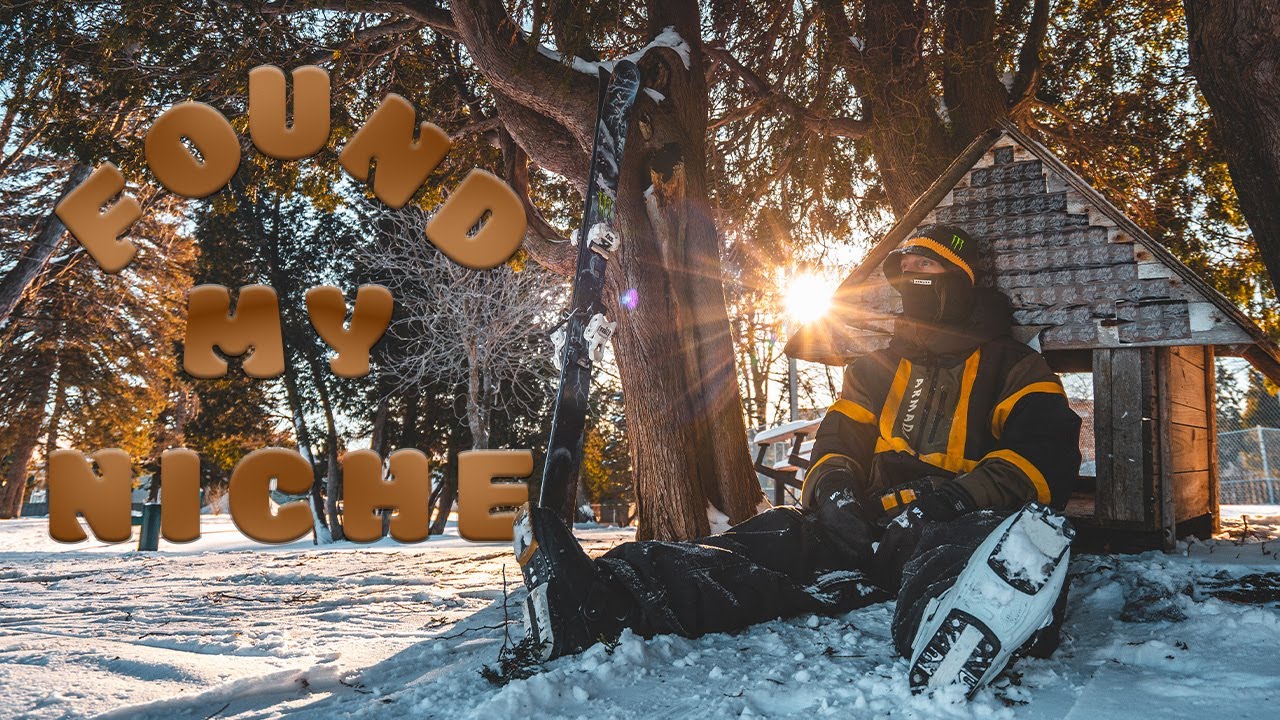
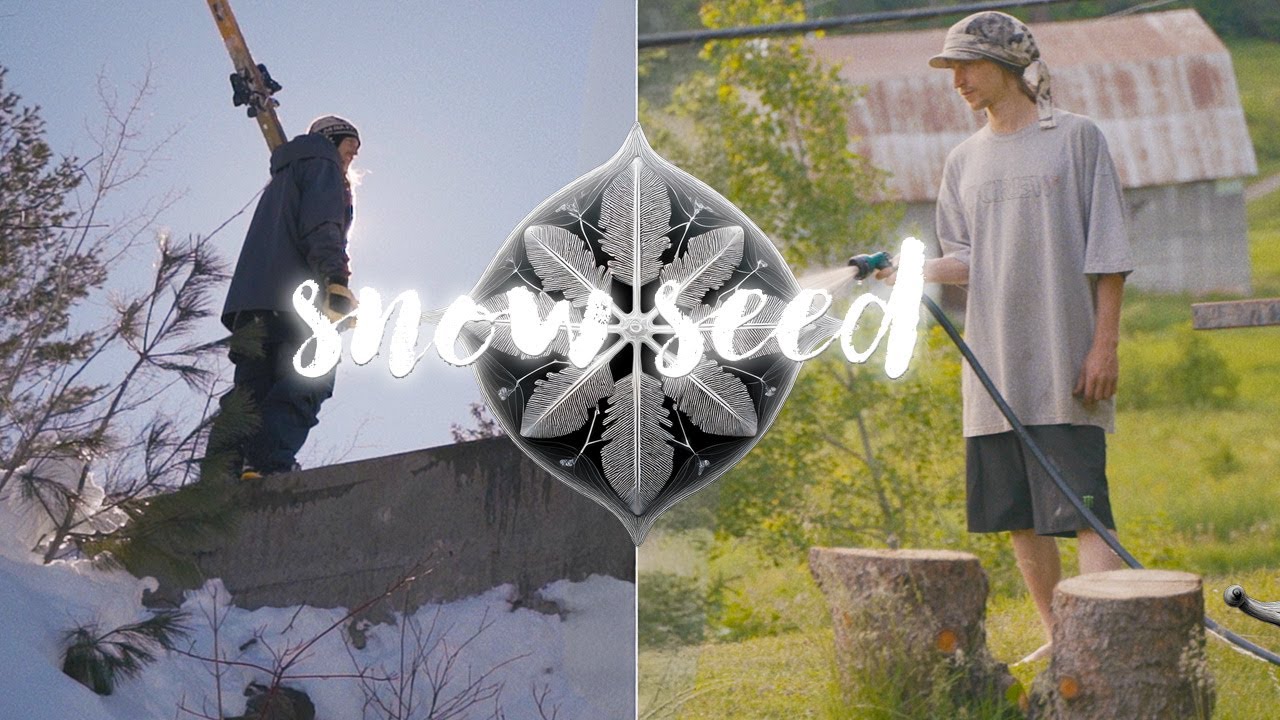
Phil Casabon, also known as B-Dog, brings Monster deep into street and creative park skiing. Monster’s own profile presents him as a Quebec skier with a skateboarder’s eye for rails, gaps, walls, pole jams and transfers. That description matches why he matters to ski video culture: B-Dog is less about standardized contest runs and more about seeing possibilities in urban spaces. Luca Harrington represents the newer contest-generation bridge, with Monster highlighting his rise through Monster Army, his X Games Aspen 2025 breakout and his place in Big Air, Slopestyle and halfpipe progression. Together, those names show Monster’s range: icons, stylists, street leaders, contest winners and next-generation athletes all under one black-and-green umbrella.
Buttermilk, Cardrona, Quebec streets and the Monster map
Monster’s geography in skiing is built around events, film zones and athlete homes rather than a single factory or mountain town. X Games Aspen at Buttermilk Mountain is one of the clearest anchors. Monster has been visible there as an official energy drink partner, and its own 2026 recaps documented major medal totals across freeski, snowboard and snowmobile events. That kind of presence gives the brand a yearly winter stage where Big Air, Slopestyle, SuperPipe, Knuckle Huck and newer formats can reach global audiences.
The brand also follows athletes into the places that define their skiing. Cardrona and Wānaka matter through New Zealand talents such as Luca Harrington and Finley Melville Ives. Quebec matters through Phil Casabon and the urban-street language that shaped a huge part of modern ski creativity. Andorra matters through Henrik Harlaut’s connection to Sunset Park Peretol. British Columbia and Alaska matter through backcountry projects tied to skiers like Sammy Carlson. Monster’s map is therefore not one headquarters story; it is a network of contest venues, street spots, training parks, film zones and resort cultures.
Monster Army, event recaps and the sponsor system behind progression
Monster’s construction story is not fiberglass, wood core or sidewall. It is a sponsor system. The Monster Army program is one of the clearest examples because it gives developing athletes a recognizable pathway before they reach full professional status. For a young skier, that kind of support can mean product flow, visibility, small budgets, contest legitimacy and a stronger media profile. In freeskiing, where the jump from local talent to international recognition can be expensive and unpredictable, that pipeline has real value.
The second layer is event storytelling. Monster publishes previews, recaps and athlete features around major competitions, turning one weekend of results into content that lives beyond the event. At X Games Aspen 2026, the brand reported strong medal performances across multiple days, including ski results from athletes such as Luca Harrington, Finley Melville Ives and Megan Oldham. Whether the reader cares about contests or edits, that constant publishing helps keep freeskiing in the larger action-sports conversation.
Choosing Monster as a ski sponsor signal
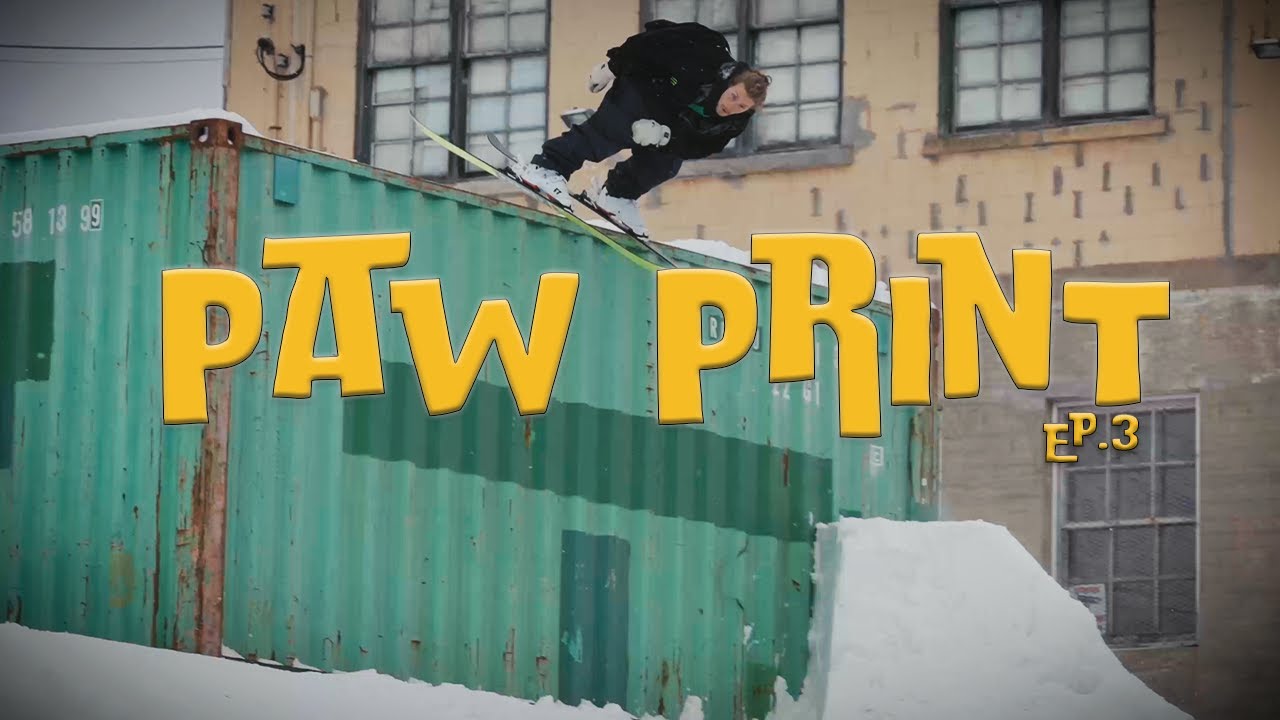
For a ski video platform, Monster Energy should be read as a sponsor signal rather than a gear category. When Monster appears on a video, athlete page or event listing, it usually suggests a connection to a larger action-sports ecosystem: contest coverage, street skiing, film projects, athlete branding or youth progression. It does not tell the viewer what ski model is being used, but it does help explain why a project has reach, polish or distribution.
That makes Monster useful for organizing ski culture. A video featuring Phil Casabon and Monster points toward street creativity and Quebec-influenced spot selection. A Sammy Carlson project with Monster points toward backcountry freestyle and cinematic terrain. A Luca Harrington contest clip points toward elite progression, Big Air, Slopestyle and the newer generation of global freeski athletes. For skipowd.tv, the sponsor page should therefore connect Monster to athletes, competitions, locations and video styles rather than trying to describe a physical ski product that does not exist.
Why the claw still matters in freeskiing
Monster Energy deserves a 5/5 importance rating because its impact on skiing is cultural, financial and visual. The brand has helped make freeski athletes more visible, kept major contest moments circulating, supported film projects and given developing riders a sponsor ladder through Monster Army. It is one of the few non-endemic brands that feels genuinely embedded in skiing rather than simply attached to it. The logo appears where modern freeski identity is created: X Games start gates, street edits, helmets, park sessions, athlete profiles and backcountry films.
The brand also matters because modern skiing is media-driven. A skier’s influence is no longer measured only by medals or equipment sales. It is measured through clips, edits, style, audience, travel, storytelling and the ability to stay visible across seasons. Monster’s role is to amplify that ecosystem. It gives skiers a larger stage and gives ski videos a stronger sponsor context. For a site built around ski videos, Monster Energy is not a side note. It is one of the sponsor names that helps explain how freeskiing became louder, more global and more connected to action-sports culture.